AI Innovation Strategy: Why Technology Alone Isn't a Strategy
Most enterprise AI programs fail because companies mistake technology for strategy. Learn to measure experiment economics and compress learning cycles.
Build an innovation strategy that actually works. From portfolio management to organizational alignment, these insights help innovation leaders make better decisions.
Talk to a CoachQuick Answer: An effective innovation strategy starts with evidence, not frameworks. It requires three things: a governance structure that enables exploration rather than killing it, a portfolio balanced across innovation horizons, and teams structured to learn fast. Most organizations get this backwards — they pick a framework, force projects through it, and wonder why nothing transformative comes out the other end.
A VP of Innovation walks into a board meeting with a beautifully formatted strategy deck. It has a three-horizon model, an ambition matrix, and a pipeline diagram with arrows pointing optimistically upward. The board approves it. Six months later, every Horizon 3 project has been killed because it couldn’t show revenue, and the portfolio is 90 percent Horizon 1 extensions of existing products.
We’ve watched this happen at dozens of companies. The strategy looked right on paper. The execution failed because the governance wasn’t designed for uncertainty. Traditional decision-making structures — quarterly reviews, ROI thresholds, stage-gate processes built for product development — systematically destroy innovation projects before they have a chance to learn anything.
An innovation strategy that works has to address the system, not just the portfolio. We’ve made the mistake of skipping straight to “which projects should we fund?” in client engagements and watched the same governance problems eat every project alive. Governance, team structure, and decision-making have to come first.
The innovation industry has no shortage of frameworks. Three Horizons. Ambidextrous Organization. Innovation Theater. Lean startup. Every consulting firm has its own 2x2 matrix.
Frameworks aren’t the problem. The problem is that most organizations adopt a framework and then stop thinking. They fill in the boxes, declare victory, and go back to running the core business. The framework becomes a costume the organization wears to board meetings while continuing to make decisions the same way it always has.
What actually works is making strategic decisions based on evidence. Not gut feel, not the CEO’s pet project, not what the competitor announced last quarter. Evidence means: what have we tested, what did we learn, and what does the data suggest we should do next?
This is harder than picking a framework. It requires building an innovation accounting system (covered in our guide to measuring innovation) and actually using the data to make investment decisions. But it’s the only approach that reliably produces results.
For the full case, read Strategic Decisions Should Be Based on Evidence. And if you’re not sure whether your organization even needs a formal innovation strategy, Do You Need an Innovation Strategy? walks through the diagnostic.
Innovation governance is where most strategies die. The board approves the strategy, allocates the budget, and then applies the same approval processes it uses for the core business. Quarterly ROI reviews. Business cases with five-year revenue projections. Stage gates designed for predictable product development.
None of that works for innovation. A Horizon 3 exploration can’t produce a credible five-year revenue projection. If it could, it wouldn’t be innovation.
Good innovation governance looks more like venture capital than corporate finance. Small initial investments. Frequent check-ins focused on what did you learn? rather than where’s the revenue? Explicit criteria for kill decisions. And boards that understand their job is to enable teams, not to make decisions for them.
We’ve written extensively about this. Advice to Innovation Boards: Don’t Make Decisions for Teams is the starting point. For how decision speed and frequency matter more than precision, see Make Frequent, Fast Decisions. How to Show Up for Your Teams covers the practical behaviors that separate effective boards from theatrical ones. And Four Must-Haves in Your Innovation Process provides the structural checklist.
The governance question is also connected to portfolio management. If you’re holding too many projects in the portfolio and not killing anything, it’s a governance problem. See Governance and Portfolio Management: Why Tight Budgets Help for why constraints can actually improve innovation outcomes.
Strategy and governance set the rules. Team structure determines whether anyone can actually play.
Most corporate innovation teams are set up to fail. They’re either isolated labs with no connection to the core business (and therefore no path to scale), or they’re embedded in business units with no protection from quarterly targets. Neither model works well on its own.
The organizations that innovate consistently tend to build ecosystems — networks of internal teams, external partners, customers, and advisors that create the conditions for new ideas to emerge and get tested. This is harder to manage than a single innovation lab, but it’s more resilient and produces more diverse experiments.
For a deeper look at what makes innovation ecosystems work, read What Is an Innovation Ecosystem?. To understand how corporate strategy and innovation strategy should connect (and where they diverge), see Where Corporate Strategy Meets Innovation Strategy.
One specific failure mode we see often: the “parachute leader” who drops into innovation projects periodically, makes decisions based on incomplete context, and disappears until the next review. This destroys team autonomy and slows everything down. How to Avoid Parachute Leadership explains the pattern and the fix.
AI has blown open the opportunity space for innovation… and the uncertainty along with it. Competitive dynamics are shifting faster than most planning cycles can keep up.
This doesn’t mean we need a separate “AI strategy.” AI is a capability that affects every horizon of innovation. What we need is an innovation strategy that accounts for AI as one more source of uncertainty — and one more tool for reducing it.
Most organizations want to know how to use AI without chasing hype. We already know the answer. Run small experiments. Measure what we learn. Scale what works. The innovation process doesn’t change just because the tool is shinier.
For a detailed treatment of what this looks like in practice, read What Is an AI Innovation Strategy?. And for why strategic flexibility matters more than strategic precision, Adaptive Strategy makes the case for building agility into strategic plans.
Confusing a framework with a strategy. Filling in a Three Horizons diagram is not a strategy. A strategy requires choices: what we will do, what we won’t do, and why. If your innovation strategy doesn’t say no to anything, it’s not a strategy.
Applying core-business governance to innovation projects. This is the single most common failure mode. The board asks for ROI projections on a project that hasn’t talked to customers yet, then kills it when the numbers are speculative. The fix is governance designed for uncertainty — see everything in the governance section above.
Reorganizing instead of experimenting. When innovation isn’t working, the instinct is to restructure: create a new lab, hire a Chief Innovation Officer, launch an accelerator program. These are big, expensive bets on organizational design. A better approach is to break down the innovation process into components and fix the specific part that isn’t working.
Start with governance. If the decision-making structure isn’t designed for uncertainty, nothing else matters.
Want help building an evidence-based innovation strategy? Our coaching team works with corporate innovation leaders to design governance, team structures, and portfolio strategies. Start a conversation.
A business strategy allocates resources to known opportunities with predictable returns. An innovation strategy allocates resources to uncertain opportunities where the goal is learning, not execution. The key difference is in governance: business strategy uses ROI-based decision-making, while innovation strategy requires evidence-based decision-making that accounts for uncertainty. The two strategies should be connected — the innovation portfolio should be a direct expression of the strategic questions the business needs answered.
Don’t start with a framework. Start with the question: what decisions do we need to make, and what evidence do we need to make them? Then choose tools that help gather that evidence. Three Horizons is useful for portfolio balance. Lean startup is useful for project-level experimentation. Innovation accounting is useful for measuring progress. None of them is a strategy on its own. The strategy is the set of choices about where to invest, what to test, and how to make decisions.
Fast, frequently, and based on evidence. The most effective innovation boards meet often (monthly, not quarterly), focus on learning metrics rather than financial projections, and make explicit pivot-or-persevere decisions at each review. They avoid making decisions for teams (which kills autonomy and slows learning) and instead set clear criteria for what evidence would justify continued investment. See our series on innovation board best practices.
Almost certainly yes — but the strategy should be proportional to the ambition. A company that only needs incremental improvements to existing products can get by with a lightweight process. A company facing disruption or pursuing transformational growth needs a formal strategy with dedicated governance, portfolio management, and innovation accounting. The question isn’t whether to have a strategy, but how much structure to build around it.
273 articles
Most enterprise AI programs fail because companies mistake technology for strategy. Learn to measure experiment economics and compress learning cycles.
AI can accelerate ideation and prototyping, but outsourcing creativity risks mediocrity. Learn to use AI-driven innovation without losing your edge.
AI can accelerate ideation and prototyping, but outsourcing creativity risks mediocrity. Learn to use AI-driven innovation without losing your edge.
AI can accelerate ideation and prototyping, but outsourcing creativity risks mediocrity. Learn to use AI-driven innovation without losing your edge.
AI can accelerate ideation and prototyping, but outsourcing creativity risks mediocrity. Learn to use AI-driven innovation without losing your edge.
AI can accelerate ideation and prototyping, but outsourcing creativity risks mediocrity. Learn to use AI-driven innovation without losing your edge.
A.I. won't transform society alone. History shows it's how innovators apply breakthroughs that matters — from the printing press to steam engine.
A.I. won't transform society alone. History shows it's how innovators apply breakthroughs that matters — from the printing press to steam engine.
A.I. won't transform society alone. History shows it's how innovators apply breakthroughs that matters — from the printing press to steam engine.
Community innovation delivers stronger returns when financial and social ROI work together. Learn how to innovate with communities and where AI fits in.
Community innovation delivers stronger returns when financial and social ROI work together. Learn how to innovate with communities and where AI fits in.
Community innovation delivers stronger returns when financial and social ROI work together. Learn how to innovate with communities and where AI fits in.
Learn why economic uncertainty is prime time for corporate innovation and how teams can align strategy, spot blindspots, and justify their budgets.
Innovation failure stems from missing strategy, resources, and scale — not poor training. Learn how to integrate methods into a complete innovation stack.
Innovation failure stems from missing strategy, resources, and scale — not poor training. Learn how to integrate methods into a complete innovation stack.
Constraints focus the mind and fuel creativity. Learn strategies for turning real and artificial limitations into powerful innovation opportunities.
Constraints focus the mind and fuel creativity. Learn strategies for turning real and artificial limitations into powerful innovation opportunities.
Constraints focus the mind and fuel creativity. Learn strategies for turning real and artificial limitations into powerful innovation opportunities.
Constraints focus the mind and fuel creativity. Learn strategies for turning real and artificial limitations into powerful innovation opportunities.
Constraints focus the mind and fuel creativity. Learn strategies for turning real and artificial limitations into powerful innovation opportunities.
The best innovation ideas come from unrelated industries. Learn cross-industry strategies, real examples, and how to build a borrowed innovation culture.
The best innovation ideas come from unrelated industries. Learn cross-industry strategies, real examples, and how to build a borrowed innovation culture.
The best innovation ideas come from unrelated industries. Learn cross-industry strategies, real examples, and how to build a borrowed innovation culture.
Use artificial intelligence in innovation as a creative collaborator, not a replacement. Delegate mundane tasks to AI and focus on what humans do best.
Use artificial intelligence in innovation as a creative collaborator, not a replacement. Delegate mundane tasks to AI and focus on what humans do best.
Use artificial intelligence in innovation as a creative collaborator, not a replacement. Delegate mundane tasks to AI and focus on what humans do best.
Learn how to break your innovation process into focused, manageable steps that drive transformative results without losing sight of the bigger picture.
Learn how to break your innovation process into focused, manageable steps that drive transformative results without losing sight of the bigger picture.
Learn how to break your innovation process into focused, manageable steps that drive transformative results without losing sight of the bigger picture.
Learn how to break your innovation process into focused, manageable steps that drive transformative results without losing sight of the bigger picture.
Learn how to break your innovation process into focused, manageable steps that drive transformative results without losing sight of the bigger picture.
Learn how to break your innovation process into focused, manageable steps that drive transformative results without losing sight of the bigger picture.
Most product managers misuse statistics. Learn how margin of error, sample size, and experiment design lead to better product decisions.
Most product managers misuse statistics. Learn how margin of error, sample size, and experiment design lead to better product decisions.
Most product managers misuse statistics. Learn how margin of error, sample size, and experiment design lead to better product decisions.
Learn 3 innovation perspective games — Six Thinking Hats, Role Storming, and Reverse Brainstorming — to unlock disruptive ideas and break creative ruts.
Learn 3 innovation perspective games — Six Thinking Hats, Role Storming, and Reverse Brainstorming — to unlock disruptive ideas and break creative ruts.
Learn 3 innovation perspective games — Six Thinking Hats, Role Storming, and Reverse Brainstorming — to unlock disruptive ideas and break creative ruts.
Modernize your stage-gate innovation process with metered funding, data-driven decisions, bounce gates, and off-ramps to boost ROI.
Modernize your stage-gate innovation process with metered funding, data-driven decisions, bounce gates, and off-ramps to boost ROI.
Modernize your stage-gate innovation process with metered funding, data-driven decisions, bounce gates, and off-ramps to boost ROI.
Modernize your stage-gate innovation process with metered funding, data-driven decisions, bounce gates, and off-ramps to boost ROI.
Modernize your stage-gate innovation process with metered funding, data-driven decisions, bounce gates, and off-ramps to boost ROI.
Modernize your stage-gate innovation process with metered funding, data-driven decisions, bounce gates, and off-ramps to boost ROI.
Parachute leaders combine micromanagement with absentee ignorance. Learn how to stay informed, build trust, and stop derailing your team's work.
Parachute leaders combine micromanagement with absentee ignorance. Learn how to stay informed, build trust, and stop derailing your team's work.
Parachute leaders combine micromanagement with absentee ignorance. Learn how to stay informed, build trust, and stop derailing your team's work.
Learn when the net present value formula works for innovation projects and how to combine NPV with Monte Carlo simulations for better decisions.
Learn when the net present value formula works for innovation projects and how to combine NPV with Monte Carlo simulations for better decisions.
Learn when the net present value formula works for innovation projects and how to combine NPV with Monte Carlo simulations for better decisions.
Learn when the net present value formula works for innovation projects and how to combine NPV with Monte Carlo simulations for better decisions.
Learn why strategic decisions in innovation should be driven by evidence, not gut instinct, and why the people closest to customers should make the calls.
Learn why strategic decisions in innovation should be driven by evidence, not gut instinct, and why the people closest to customers should make the calls.
Learn why strategic decisions in innovation should be driven by evidence, not gut instinct, and why the people closest to customers should make the calls.
Learn why strategic decisions in innovation should be driven by evidence, not gut instinct, and why the people closest to customers should make the calls.
Learn why experiment frequency beats perfect hypotheses. Build product sense through rapid iteration, strategic intent, and consistent testing habits.
Learn why experiment frequency beats perfect hypotheses. Build product sense through rapid iteration, strategic intent, and consistent testing habits.
Learn why experiment frequency beats perfect hypotheses. Build product sense through rapid iteration, strategic intent, and consistent testing habits.
Learn how innovation teams can drive measurable ROI through focused project briefings, customer personas, and innovation accounting practices.
Learn how innovation teams can drive measurable ROI through focused project briefings, customer personas, and innovation accounting practices.
Innovation board members must prepare before meetings, stay present during them, and follow up after. Here's how to show up and respect your teams.
Innovation board members must prepare before meetings, stay present during them, and follow up after. Here's how to show up and respect your teams.
Innovation experience becomes a liability when board members dismiss ideas that failed before. Learn why timing matters and how to use experience wisely.
Innovation experience becomes a liability when board members dismiss ideas that failed before. Learn why timing matters and how to use experience wisely.
Tighter budgets are a forcing function for better innovation governance. Learn how innovation accounting and portfolio management drive smarter decisions.
Tighter budgets are a forcing function for better innovation governance. Learn how innovation accounting and portfolio management drive smarter decisions.
Learn how to build a Monte Carlo simulation that turns uncertain business assumptions into actionable forecasts with ranges and distributions.
Learn how to build a Monte Carlo simulation that turns uncertain business assumptions into actionable forecasts with ranges and distributions.
Learn how to sustain innovation in 2023 by shifting to defensive, ROI-focused strategies that weather the recession and keep your team funded.
Learn how to sustain innovation in 2023 by shifting to defensive, ROI-focused strategies that weather the recession and keep your team funded.
Learn five proven guesstimation techniques — from Fermi Decomposition to equivalence bets — to make smarter decisions when hard data doesn't exist.
Learn five proven guesstimation techniques — from Fermi Decomposition to equivalence bets — to make smarter decisions when hard data doesn't exist.
Learn how to make a pivot or persevere decision using success criteria and fail conditions. Discover all four outcomes: scale, persevere, pivot, or kill.
Learn how to make a pivot or persevere decision using success criteria and fail conditions. Discover all four outcomes: scale, persevere, pivot, or kill.
Learn how to make a pivot or persevere decision using success criteria and fail conditions. Discover all four outcomes: scale, persevere, pivot, or kill.
Learn how to build a hypothesis-driven financial model using storyboards, AARRR pirate metrics, and Monte Carlo simulations for early-stage ventures.
Learn how to build a hypothesis-driven financial model using storyboards, AARRR pirate metrics, and Monte Carlo simulations for early-stage ventures.
Adaptive strategy replaces fixed plans with testable hypotheses. Learn the 6-step process to set cadence, measure impact, and iterate before it's too late.
Adaptive strategy replaces fixed plans with testable hypotheses. Learn the 6-step process to set cadence, measure impact, and iterate before it's too late.
Adaptive strategy replaces fixed plans with testable hypotheses. Learn the 6-step process to set cadence, measure impact, and iterate before it's too late.
Adaptive strategy replaces fixed plans with testable hypotheses. Learn the 6-step process to set cadence, measure impact, and iterate before it's too late.
Innovation boards should make fast, frequent, small decisions — not annual marathons. Learn the right cadence, speed, and scope to maximize ROI.
Innovation boards should make fast, frequent, small decisions — not annual marathons. Learn the right cadence, speed, and scope to maximize ROI.
Innovation boards should make fast, frequent, small decisions — not annual marathons. Learn the right cadence, speed, and scope to maximize ROI.
Learn five strategies for using learning and development to build a culture of innovation, from engaged leadership to hiring for diversity.
Learn five strategies for using learning and development to build a culture of innovation, from engaged leadership to hiring for diversity.
Learn five strategies for using learning and development to build a culture of innovation, from engaged leadership to hiring for diversity.
Learn five strategies for using learning and development to build a culture of innovation, from engaged leadership to hiring for diversity.
Averaging best and worst case outputs overestimates ROI due to non-linear math. Learn why Monte Carlo simulation works better.
Innovation boards shouldn't decide to persevere, pivot, or kill projects. Empowered teams with customer data make better choices.
Innovation boards shouldn't decide to persevere, pivot, or kill projects. Empowered teams with customer data make better choices.
Innovation strategy matters when you lack complete control, knowledge, or capabilities. Learn when you need one and how to focus it on real weaknesses.
Innovation strategy matters when you lack complete control, knowledge, or capabilities. Learn when you need one and how to focus it on real weaknesses.
Innovation strategy matters when you lack complete control, knowledge, or capabilities. Learn when you need one and how to focus it on real weaknesses.
Innovation strategy matters when you lack complete control, knowledge, or capabilities. Learn when you need one and how to focus it on real weaknesses.
Applying one corporate growth metric across all initiatives destroys innovation. Learn which KPIs to use for core, adjacent, and transformational projects.
Applying one corporate growth metric across all initiatives destroys innovation. Learn which KPIs to use for core, adjacent, and transformational projects.
Applying one corporate growth metric across all initiatives destroys innovation. Learn which KPIs to use for core, adjacent, and transformational projects.
Business model innovation demands outside perspectives to spot hidden flaws. Learn why diversity of viewpoint matters more than expertise.
Business model innovation demands outside perspectives to spot hidden flaws. Learn why diversity of viewpoint matters more than expertise.
Business model innovation demands outside perspectives to spot hidden flaws. Learn why diversity of viewpoint matters more than expertise.
Data mining can swallow you in a void of ones and zeros. Use the CCE framework to find correlations, determine causation, and verify with experiments.
Learn how to attract the right talent to your innovation project by crafting a value proposition, targeting curious minds, and spreading the word.
Learn how to attract the right talent to your innovation project by crafting a value proposition, targeting curious minds, and spreading the word.
Learn how to attract the right talent to your innovation project by crafting a value proposition, targeting curious minds, and spreading the word.
70% of digital transformations fail. Learn why exponential transformation — not just digitizing processes — is what actually drives growth.
70% of digital transformations fail. Learn why exponential transformation — not just digitizing processes — is what actually drives growth.
70% of digital transformations fail. Learn why exponential transformation — not just digitizing processes — is what actually drives growth.
70% of digital transformations fail. Learn why exponential transformation — not just digitizing processes — is what actually drives growth.
Discover how innovative parenting borrows from lean startup methods — sprint planning, retros, and sandboxes — to raise creative, resilient kids.
Discover how innovative parenting borrows from lean startup methods — sprint planning, retros, and sandboxes — to raise creative, resilient kids.
Discover how innovative parenting borrows from lean startup methods — sprint planning, retros, and sandboxes — to raise creative, resilient kids.
Grab the Kromatic Disruptive Idea t-shirt designed by Amos Ostos. A wearable conversation starter made for innovation nerds who challenge the status quo.
Grab the Kromatic Disruptive Idea t-shirt designed by Amos Ostos. A wearable conversation starter made for innovation nerds who challenge the status quo.
Grab the Kromatic Disruptive Idea t-shirt designed by Amos Ostos. A wearable conversation starter made for innovation nerds who challenge the status quo.
Retention rate measures customers kept over time — but it's a growth amplifier, not an engine. Learn the formula and when to persevere, pivot, or kill.
Retention rate measures customers kept over time — but it's a growth amplifier, not an engine. Learn the formula and when to persevere, pivot, or kill.
Fixed plans break on contact with reality. Learn why strategizing — deferring decisions and adapting fast — beats any static strategy.
Fixed plans break on contact with reality. Learn why strategizing — deferring decisions and adapting fast — beats any static strategy.
Fixed plans break on contact with reality. Learn why strategizing — deferring decisions and adapting fast — beats any static strategy.
Learn why innovation boards should embrace disagreement over consensus, and how dissenters can give teams a clearer roadmap to funding.
Learn why innovation boards should embrace disagreement over consensus, and how dissenters can give teams a clearer roadmap to funding.
Good innovation governance means deciding early, not waiting for perfect information. Earlier pivots are dramatically cheaper. Here's why.
Entrepreneurs beat procrastination by removing friction before creative work. Break tedious setup into small chunks and do them the night before.
Lean startup certification is already happening — mostly badly. Here's what real certification should look like and why experience beats attendance.
Innovation accounting predicts future value when ROI is still zero. Learn how it drives decisions across projects, strategy, and capabilities.
Misalignment between corporate strategy and innovation strategy stems from a philosophical clash over control vs inevitability. Here's how to fix it.
Misalignment between corporate strategy and innovation strategy stems from a philosophical clash over control vs inevitability. Here's how to fix it.
Innovation strategy goes beyond "where to play, how to win." Learn to find hidden markets, time your launch, and exploit the rules others treat as fixed.
Innovation strategy goes beyond "where to play, how to win." Learn to find hidden markets, time your launch, and exploit the rules others treat as fixed.
Startups are poker, not chess. Learn how to gather market intelligence, pivot your business model, and avoid going all-in on untested assumptions.
Startups are poker, not chess. Learn how to gather market intelligence, pivot your business model, and avoid going all-in on untested assumptions.
Innovation boards should measure their own decisions, not just ROI. Track strategic alignment, complete decisions, and retrospectives.
Innovation boards should measure their own decisions, not just ROI. Track strategic alignment, complete decisions, and retrospectives.
Growth boards fund innovation like VCs but ignore a hidden investor: the middle manager losing resources. Here's how to align incentives and unblock work.
Growth boards fund innovation like VCs but ignore a hidden investor: the middle manager losing resources. Here's how to align incentives and unblock work.
Learn how to calculate opportunity cost for innovation using Revenue per Employee. Understand the true cost of assigning team members to new projects.
Learn the five levels of innovation metrics—individuals, teams, projects, portfolios, and ecosystems—and how to apply the right measurements at each stage.
Learn the five levels of innovation metrics—individuals, teams, projects, portfolios, and ecosystems—and how to apply the right measurements at each stage.
A carbon-neutral economy is inevitable. Without an environmental innovation strategy, America risks becoming the next Blockbuster while competitors lead.
A carbon-neutral economy is inevitable. Without an environmental innovation strategy, America risks becoming the next Blockbuster while competitors lead.
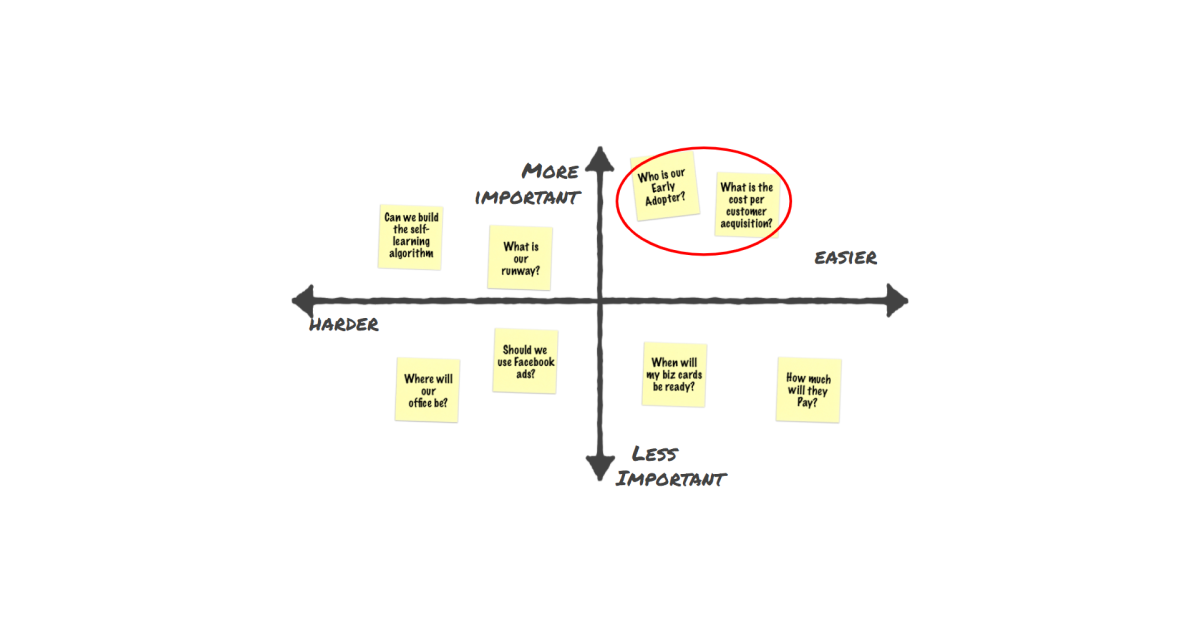
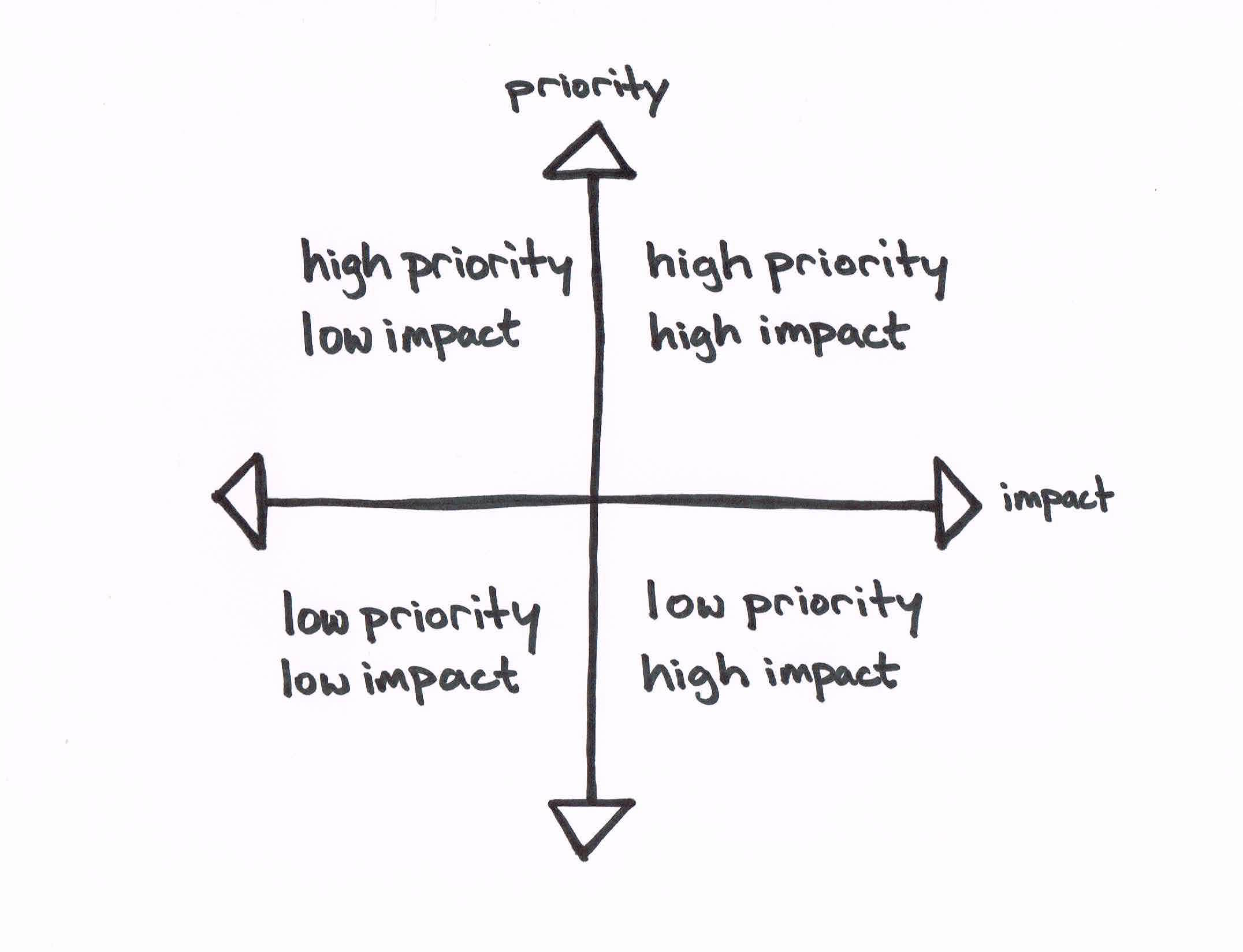
Learn how to properly fill out a 2x2 risk prioritization matrix using relative axes, fast placement, and deprioritization to find your one top priority.
Avoid the two biggest innovation program mistakes: building from scratch or copying others. Learn how to borrow ideas, then experiment until they fit.
Avoid the two biggest innovation program mistakes: building from scratch or copying others. Learn how to borrow ideas, then experiment until they fit.
ZEBRA stands for Zero Evidence But Really Arrogant — and it's more dangerous than the HiPPO. A reminder to stay data-driven in every decision.
Learn how to set department-level innovation KPIs based on your biggest obstacles — and why vanity metrics like raw idea counts will mislead you.
A quick-reference guide to quantitative experiment design — from picking actionable metrics to avoiding confirmation bias and common statistical errors.
Apply Liebig's Law of the Minimum to your innovation ecosystem. Find the single biggest bottleneck limiting growth and fix that first.
An innovation ecosystem isn't a list of accelerators and investors. Learn why the relationships between elements matter most and how to leverage them.
DHL's Startup Lab uses independent budgets and stage gates to drive innovation inside a 500K-employee company. Here's what product managers can learn.
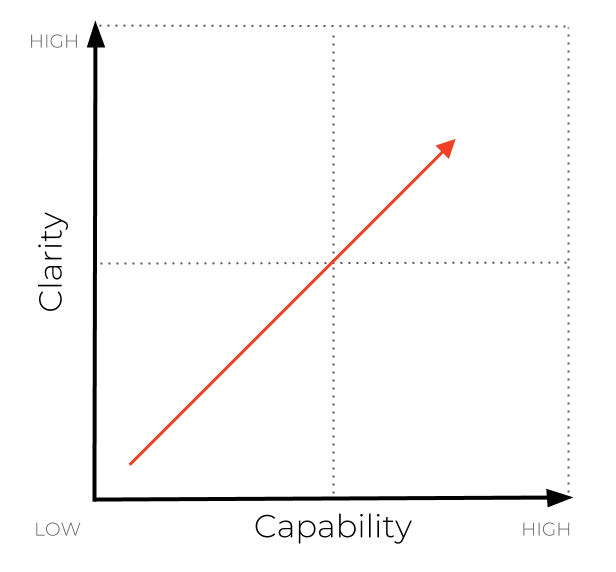
Use the clarity vs capability matrix to grow your team's skills and mission alignment without burning out as a leader. Practical frameworks inside.
See how TenTune's founders used paper prototyping to validate a music app in one day — no code needed. Key lessons for product managers and startup teams.
Learn which innovation metrics matter — like experiment velocity and cost per insight — and why you must agree on them before launching.
Define your innovation portfolio strategy before picking tools. Learn how resources, timing, risk, and options should shape your framework decisions.
Learn why every lean template field exists, which biases each one overcomes, and how to customize your own experiment template instead of copying ours.
Explore sprint retrospective ideas from 60-second flash retros to root cause analysis. Learn which AAR format fits your lean team and how to run them.
An innovation sandbox gives teams a safe space to experiment and fail. Learn how Intuit, accelerators, and skunkworks programs overcome fear of failure.
ELMO stands for Enough, Let's Move On. Learn how teams use this playful acronym (and a cute red monster) to keep meetings efficient and drama-free.
Learn how open-ended customer discovery questions reveal insights that closed questions miss — and why the 80/20 listening rule changes everything.
Journalism-tested customer interview tips: build rapport, follow the 80/20 rule, and find hidden insights by listening to what customers don't say.
Solve your toughest user interview challenges — awkwardness, silence, messy data — by focusing on customer storytelling instead of interview mechanics.
Learn why asking customers about past experiences — not future predictions — reveals the real behavioral insights you need from discovery interviews.
Intent-based leadership empowers teams through clarity and capability. Use this 2x2 framework to diagnose and fix your default management behaviors.
Learn how many customer discovery interviews to run, how often, and when diminishing returns mean you're ready to test your hypothesis and build.
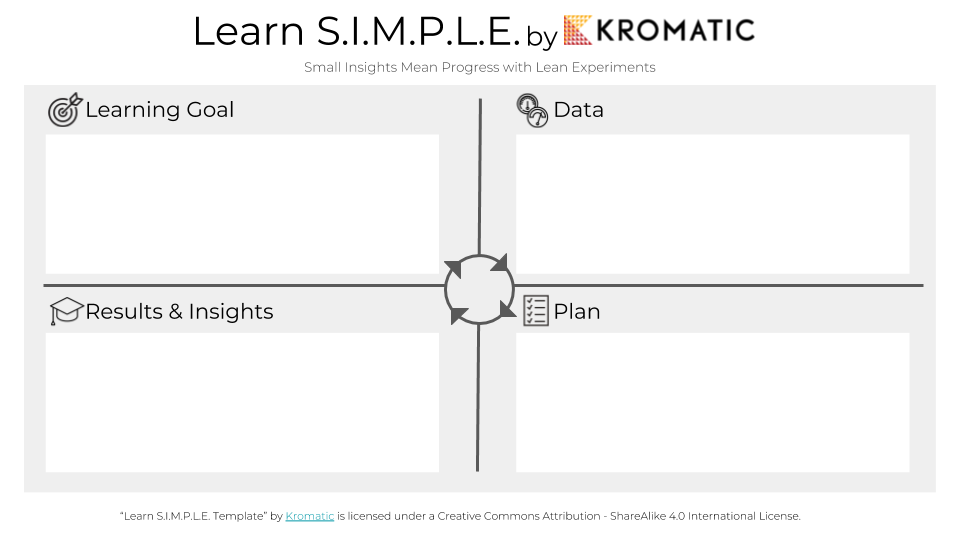
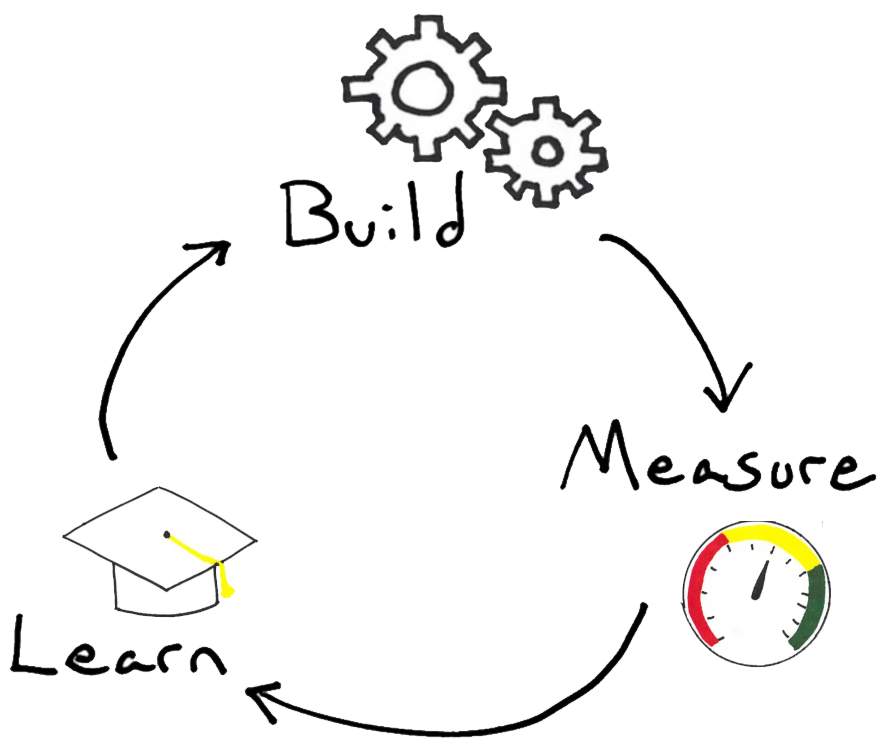
Use the SIMPLE template to overcome the hardest part of business experiments — getting started. Work backwards through Build, Measure, Learn.
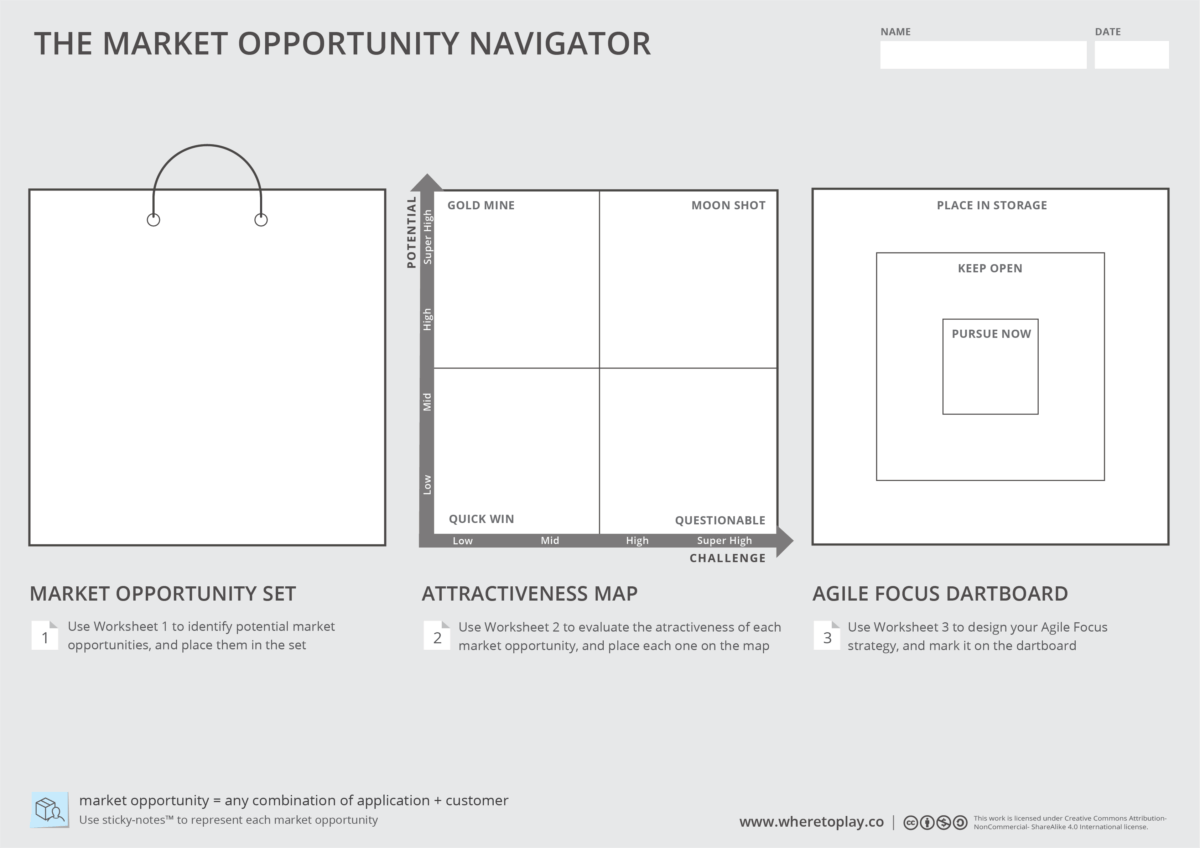
Learn the 3-step Market Opportunity Navigator framework to identify, evaluate, and prioritize your most promising target markets.
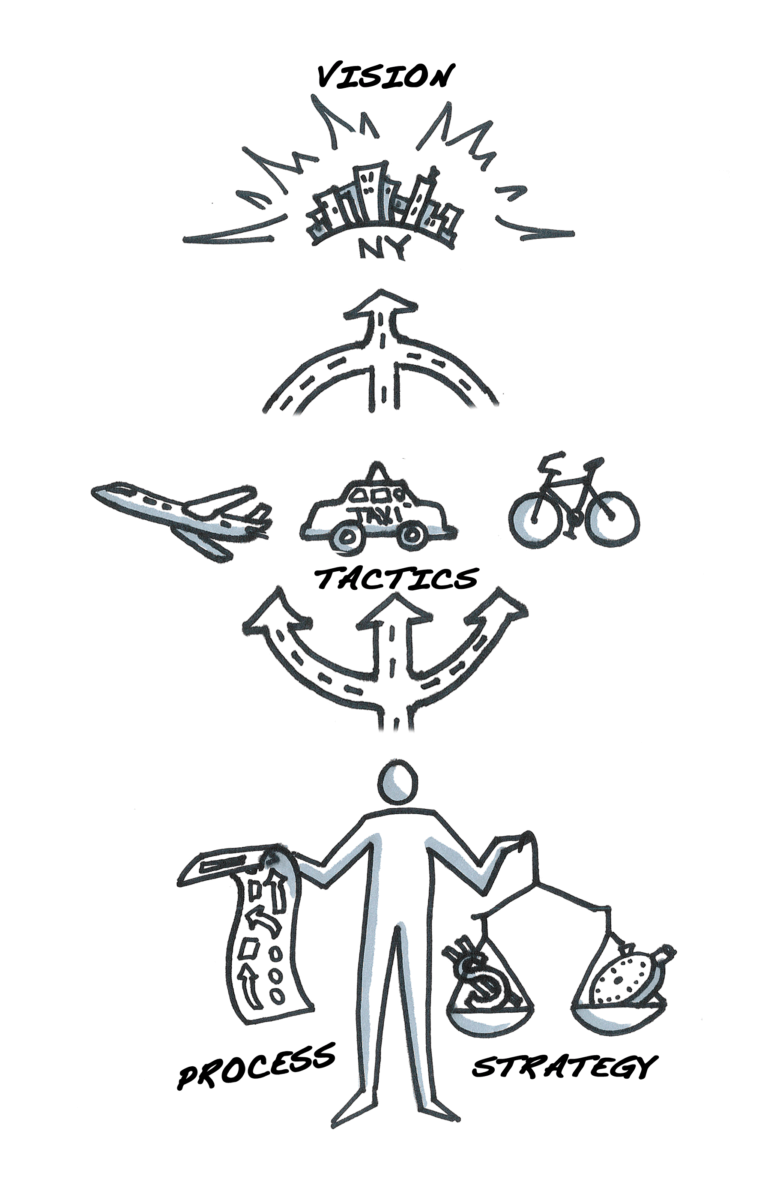
Learn why process, accelerators, and stage gates aren't substitutes for a real innovation strategy grounded in vision and long-term decisions.
Five facilitation skills training tips for better lean startup workshops — from building empathy to framing concepts through fun and reflection.
There's no one-size-fits-all corporate innovation process. This satirical guide exposes the anti-patterns that doom most programs—and what actually works.
AXA's reverse mentoring program hit 97% satisfaction by pairing younger employees with executives. Learn how to structure your own.
A grit and growth mindset goes beyond believing in self-improvement. Learn how entrepreneurs can find promise in failure and grow from scraps.
See how a small team ran lean experiments on Radical Candor's 1-on-1 meetings to validate peer-to-peer feedback before committing six person-hours weekly.
Shipitwise's founder shares a 4-step lean startup sales process that replaced guesswork with real data to find the right B2B customer segment.
Experiment velocity is a gamable vanity metric — but so are the alternatives. Use this simple traffic light system to measure innovation teams properly.
Learn to spot the 10 types of monster projects that doom intrapreneurs — from Zombies to MechaGodzilla — plus survival tactics for each.
Learn the corporate innovation definition and avoid three common pitfalls that derail progress inside large organizations.
Diverse teams consistently outperform homogeneous ones in innovation. Learn why diversity is an innovation metric and how to measure it at the team level.
Even a 1% hiring bias compounds dramatically across hierarchies and growth. Here's the math proving why meritocracy fails and diversity initiatives matter.
Iteration time isn't deployment speed — it's how fast you complete the full Build-Measure-Learn loop. Rethink burn rate, runway, and what actually matters.
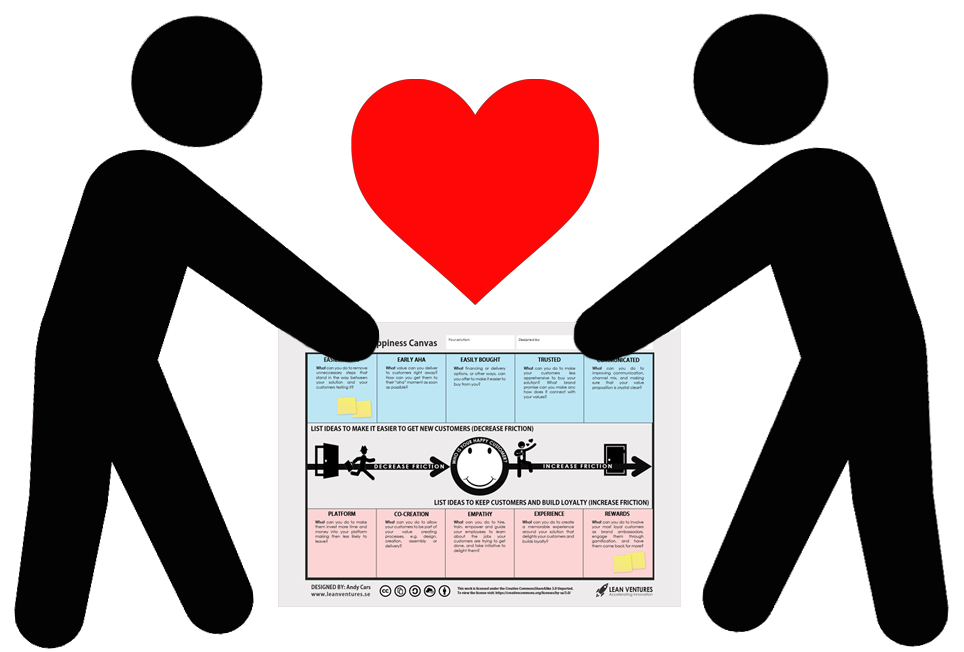
The Customer Happiness Canvas helps startup teams visualize and test strategies for reducing onboarding friction and building customer loyalty.
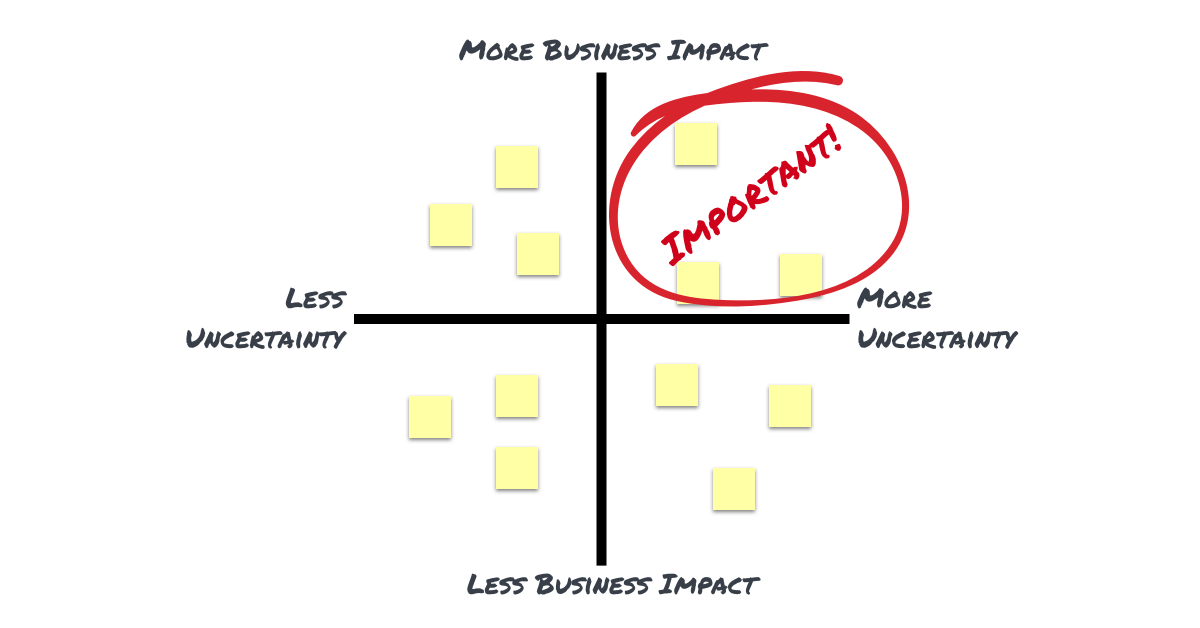
Define importance as Business Impact × Uncertainty to prioritize what actually matters. A shared equation that ends endless team debates.
A zero conversion rate usually isn't a bad idea — it's a false negative. Here are six fixable problems to check before you abandon your landing page test.
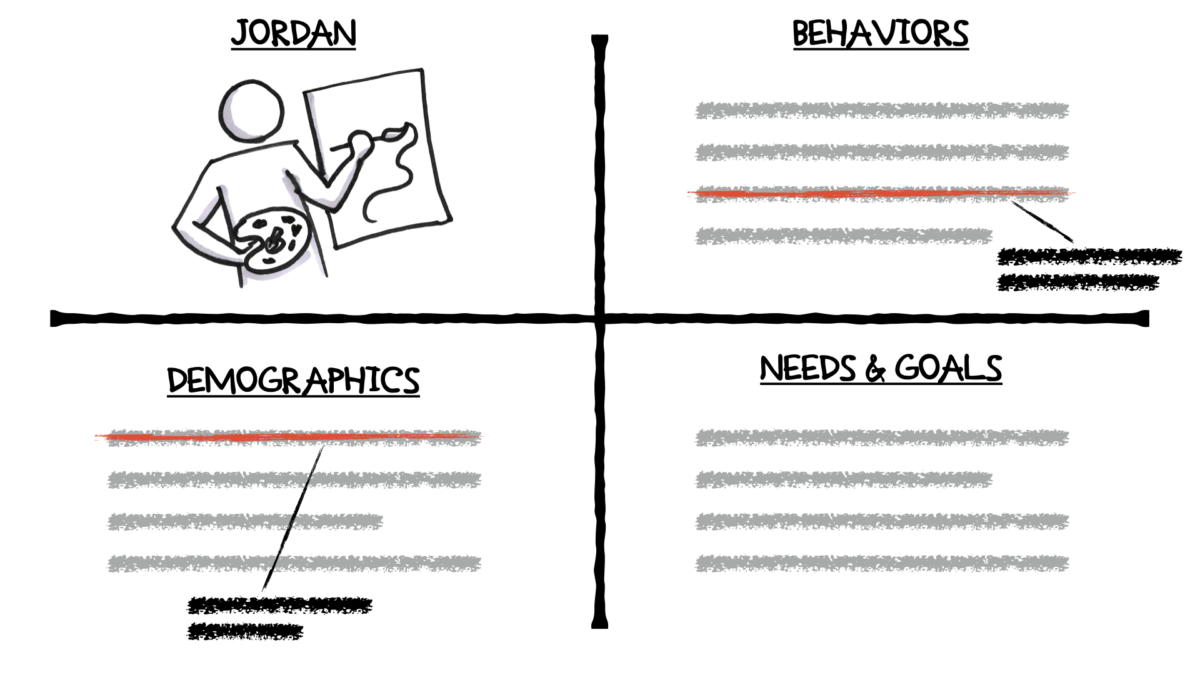
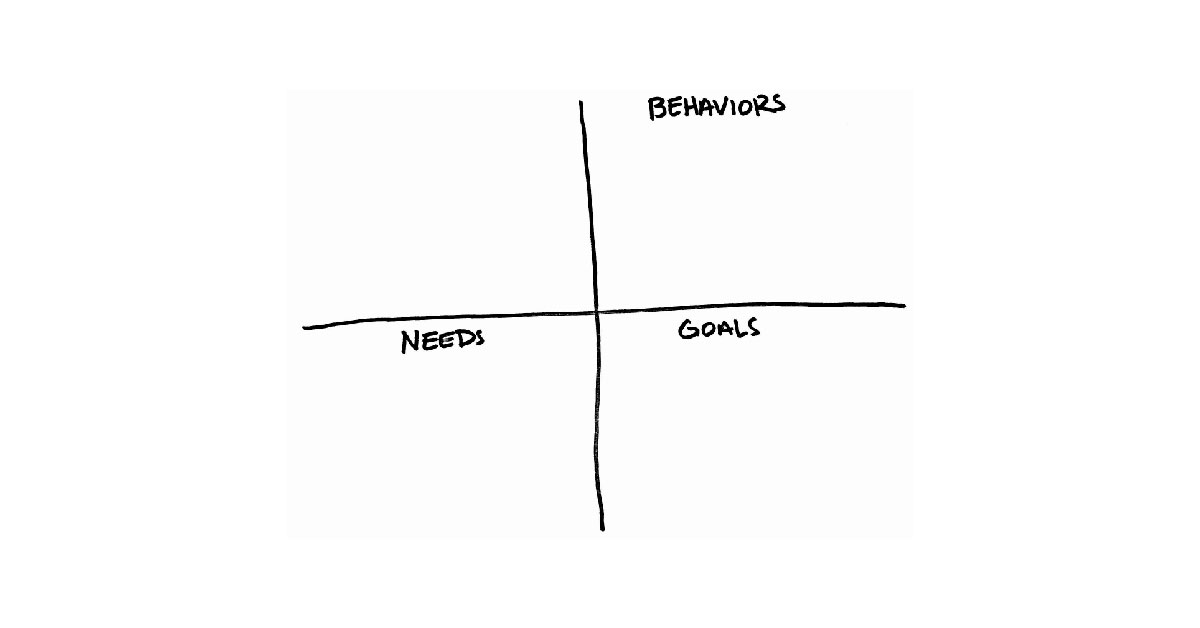
Learn how to build a customer profile template using a four-quadrant framework covering facts, behaviors, needs, and goals to define your target customer.
Learn a five-step Hi-Lo diagram process for lean startup prioritization that prevents the common trap of clustering all items in the top-right quadrant.
How many customer interviews do you need? Learn why 10-30 is the sweet spot for pre-testing assumptions and driving faster decisions.
A lean startup pitch replaces five-year projections with experiments and validated learning. Here's how to show investors what actually matters.
Learn how to analyze customer discovery interview data by tagging themes, finding patterns, and using informed intuition to move fast.
The Real Startup Book added new chapters on customer discovery interviews, concierge tests, NPS, and biases. Free under Creative Commons.
Build a customer discovery template with a clear learning goal and four note types: quotes, observations, body language, and misc. Prep better, learn more.
The Real Startup Book is a free, Creative Commons lean startup guide written by the community. Download the latest PDF and learn how to contribute.
Wizard of oz prototyping and concierge testing both skip technology, but differ in user awareness. Learn when to use each lean startup method.
Concierge MVP onboarding means helping users 1-on-1 to get immediate value. Learn the GROW framework and how one startup saw 600% more retained customers.
True value creation enhances real human experiences — not technology for its own sake. Here's what better and worse look like without tech or data.
The Real Startup Book is a free, open-source startup book built by practitioners using lean methods. Here's how to download, contribute, or give feedback.
Lean focuses on customer value across the org; Agile focuses on software quality in engineering. Learn how they complement — and conflict — in practice.
The ROI of innovation is negative on paper — just like health insurance. Learn why smart companies treat innovation as options, not guaranteed revenue.
User insights only drive innovation when interpreted in context. Avoid these three common traps that mislead product teams analyzing experiment data.
An entrepreneurship degree should teach you to ask the right questions, not memorize answers. Learn the skills that actually matter for startup success.
The best innovation KPI for lean startup teams is simple: run at least one experiment per week. Here's why this beat complex knowledge metrics.
The HiPPO isn't always wrong. Here are three scenarios where deferring to the highest paid person's opinion beats testing in corporate decision making.
The hacker-hustler-hipster startup team model misses critical skills. Learn how to build a complete team that covers the Build-Measure-Learn loop.
Looking for lean startup jobs? This internship offers hands-on experiment design, startup coaching, and accelerator experience — no coffee orders involved.
Stop setting success metrics that invite rationalization. Use fail conditions grounded in your business model to guard against self-delusion.
Assumptions are taken on faith. A lean startup hypothesis is specific and falsifiable. Learn to convert vague beliefs into testable statements.
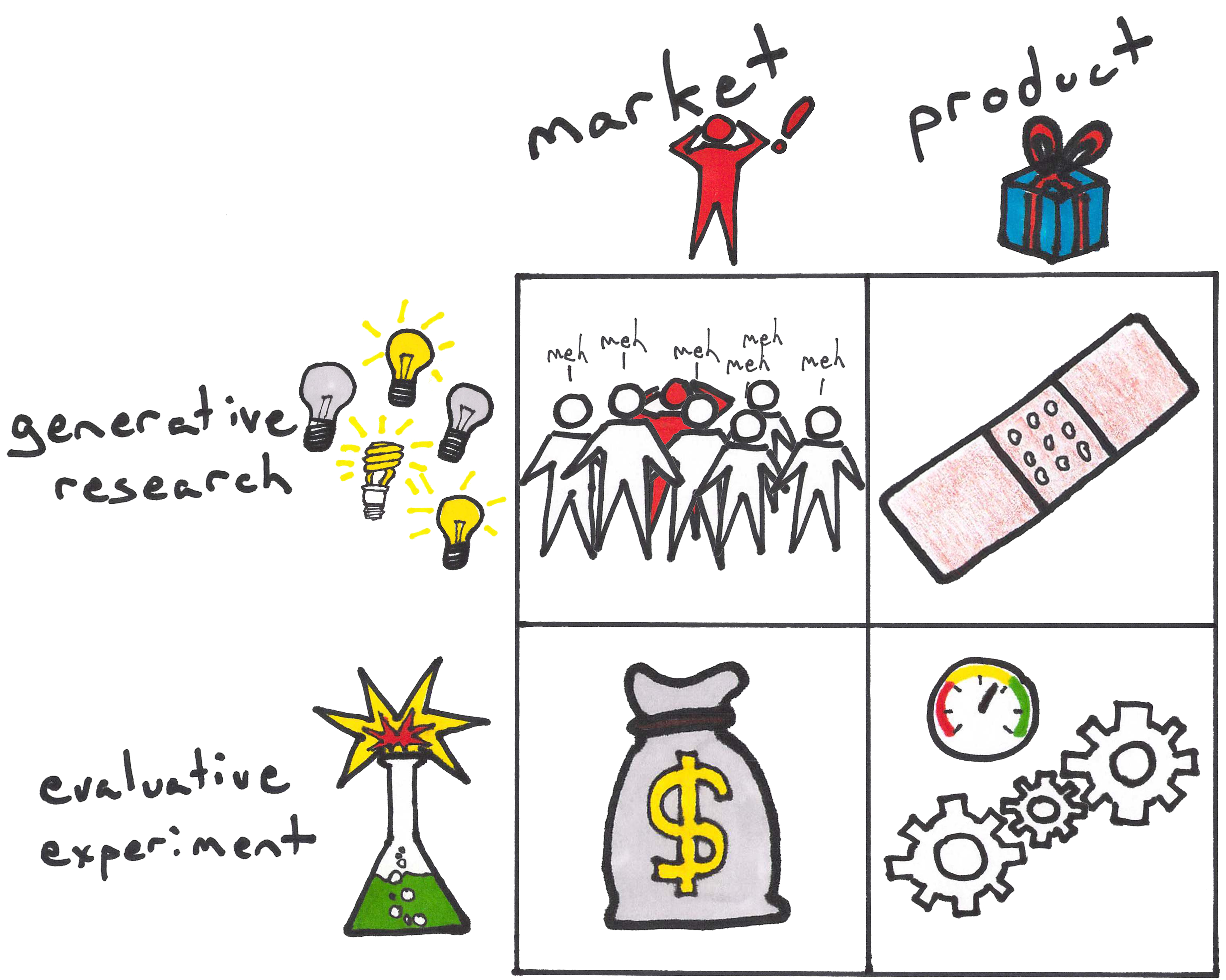
Learn how to pick the right experiment using the Real Startup Book framework. Map generative vs. evaluative research to market or product learning.
Interview with Simen Fure Jørgensen on Playing Lean, the innovation board game that teaches lean startup through 90 minutes of hands-on gameplay.
Learn the Picnic in the Graveyard technique — a generative research method that studies failed startups to discover what features to build for your MVP.
Run a comprehension test before your smoke test. If customers can't understand your offer, zero conversions reveal a messaging problem — not a bad idea.
Startups building a B2B MVP with one large customer risk invisible gaps. Learn how to map the whole product and avoid blockers with real-world cases.
Mark Graban explains why Lean Healthcare requires cultural transformation, not just tools—and why most health systems still get it wrong after 20 years.
A practical checklist of supplies, facilities, food, and tech you need to facilitate an innovation workshop — from Sharpies to follow-up surveys.
Learn how to run lean in a corporate startup, align executives past the honeymoon period, and choose the right metrics for each stage of growth.
Business card fishbowl contests generate false positives. Learn why startups should skip the raffle and qualify leads through conversations.
Most startups set bold revenue targets but walk into sales meetings with no concrete goal. Learn how to define clear next steps at every funnel stage.
Qualify B2B leads faster with a 2x2 matrix. Map prospects by awareness and urgency into four B2B persona types to focus on real opportunities.
Use the Generative vs. Evaluative and Market vs. Product framework to pick the right lean startup experiment for your innovation methods.
Product managers have shrunk into product owner boxes. The future of lean product development demands strategy, UX collaboration, and market validation.
Download our lean startup experiment template with hypothesis, metrics, and fail conditions — plus why you should customize it for your team.
Kevin Dewalt explains why startup culture should prioritize helping customers 1-on-1 over marketing broadcasts — and how to find your first 10 believers.
The observer-expectancy effect shapes how customers judge products. Learn the three components of expectations and why customer development isn't enough.
Enterprise lean adoption follows the same hype cycle as startups. Most lean enterprise book advice becomes buzzword bingo instead of real practice.
The lean enterprise is a myth. Learn why enterprises should build innovation ecosystems instead of forcing Lean Startup on every business unit.
The lean enterprise is a myth. Learn why enterprises should build innovation ecosystems instead of forcing Lean Startup on every business unit.
An earlyvangelist is your ideal early adopter. Learn Steve Blank's five criteria and why targeting "everyone" guarantees you'll reach no one.
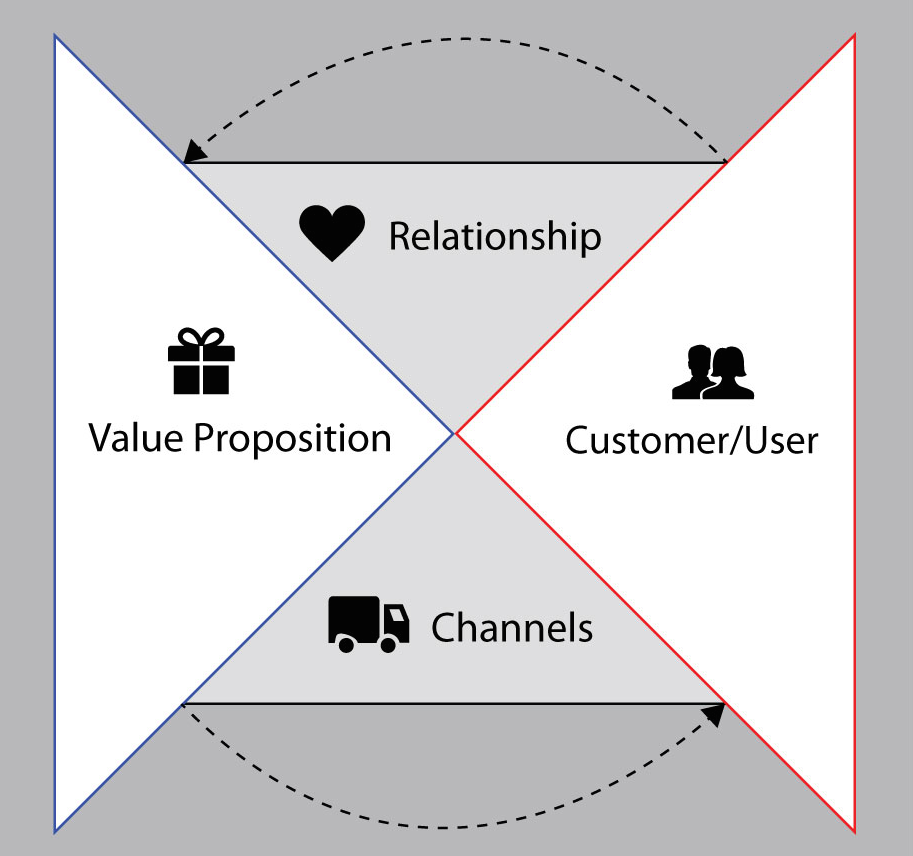
Customer analysis goes beyond demographics. Learn how causality between customers and problems shapes your value proposition and channels.
An MVP isn't a stripped-down product. Learn the four critical parts that close the Build-Measure-Learn loop and move you toward Product/Market Fit.
The Sean Ellis product market fit survey can mislead early-stage startups. Learn why scoring 40%+ isn't enough and what experiments to run instead.
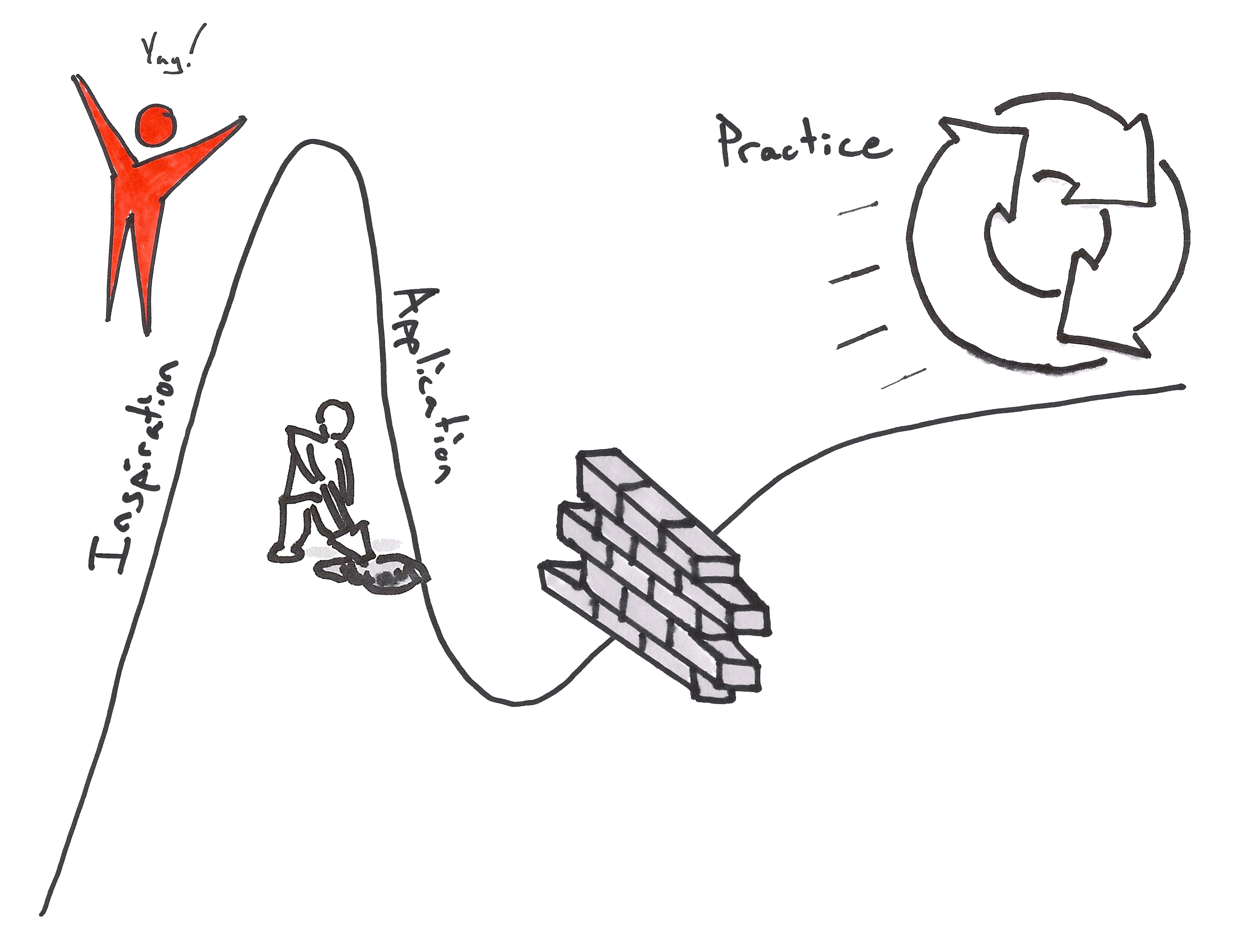
Agile transformation follows the hype cycle through three phases: Inspiration, Application, and Practice. Here's why you can't skip any of them.
Teams stall their lean transformation by perfecting experiments before building momentum. Learn why velocity matters more than steering at the start.
Enterprises adopt agile in silos and end up in a lean waterfall. Learn why agile doesn't work when departments iterate alone — and how to fix it.
Struggling with adopting agile? Skip the complexity and start with a one-minute retrospective. Build the habit first, then refine the process.
Living lean startup goes beyond MVPs and smoke tests. It demands a deep mindset of humility — admitting ignorance and asking the right questions.
Learn to fill out the left side of a Business Model Canvas by working backwards from value proposition through activities, resources, costs, and revenue.
Customer development is a skill you refine through practice. Here are 12 practical tips to keep in mind every time you get out of the building.
Don't rely on customer development alone. Triangulate UX with lean startup tools like usability testing, A/B testing, and cohort analysis.
Walk through a business model canvas example step by step using a playful puppy rental business. Covers persona, value proposition, channels, and MVP.
The Business Model Canvas prioritizes supply-chain logic over users. Here's how to flip it, add a feedback loop, and make it work for UX practitioners.
Business Model Canvas iteration only works as a weekly habit. Learn the 4-step cycle that keeps your canvas alive instead of buried in a drawer.
Map your business model on one page using the Business Model Canvas. Learn all 9 components and how to treat each as a testable assumption.
Learn how to shorten iteration cycles by identifying bottlenecks in production, marketing, and decision-making to increase your ability to learn quickly.
Learn what an MVP really is, why it's not always a product, and get templates to define and test your most critical business model assumptions.
Learn what an MVP really is, why it's not always a product, and get templates to define and test your most critical business model assumptions.
Learn what an MVP really is, why it's not always a product, and get templates to define and test your most critical business model assumptions.
Learn what an MVP really is, why it's not always a product, and get templates to define and test your most critical business model assumptions.
Learn the four types of business pivots, real examples like PayPal and Flickr, and how to use market feedback to decide what to change and what to keep.
Customer pains aren't abstract problems — they're lived experiences. Find early adopters already seeking solutions instead of marketing to everyone.
Practical tips from a Lean Startup Machine weekend — from customer discovery interviews to why cash in hand beats bullshit on a slide.
The Build Measure Learn loop is backwards. Start with Learn: identify a learning goal, specify the data you need, then pick the simplest method to get it.
"It's only an MVP" is no excuse for bad UX. Learn why product teams must build a minimum viable experience, not just a minimum viable product.
Think lean startup kills big vision? It doesn't. Learn why visionary entrepreneurs thrive with early testing and a willingness to pivot.
Not every startup pivot is valid. Learn the common anti-patterns — from blind pivots to buzzword pivots — that undermine lean startup principles.
Startups almost always pivot, so co-founders committed to your idea will bail. Build a founding team committed to you as a person instead.
Startup mentor advice is a hypothesis, not a directive. Validate with real customers before pivoting — five conversations can change everything.
Blame culture kills innovation culture. Learn why war metaphors backfire and how treating your company like a car — not a battlefield — builds agility.
Leading the witness, skipping notes, and trusting hypotheticals — the three customer development mistakes that kill startups before they start.
The best usability testing tools for wireframes aren't software. Here are three low-fidelity tools that keep feedback focused on what matters.
Customer personas structure hypothesis-driven customer development. Learn the four key elements and which one matters most to validate.
Learn a simple market validation framework: ask pain point questions, listen for unprompted complaints, and test willingness to pay before building.
Value creation means building something new—not just capturing existing value. Here's why domain trading and stock brokering aren't entrepreneurship.
KissMobs proved Steve Blank's 'get out of the building' principle at Startup Weekend by selling a bar promotion before having a product.
An earlyvangelist tolerates bugs and tells you what's broken. Learn why releasing to passionate alpha users beats months of building on assumptions.
Customer development for a two sided marketplace has no playbook yet. Learn to validate network effects by narrowing markets and bootstrapping data.
True team alignment doesn't come from reading the same books. Learn how shared experiences help startup teams build less and create more value.
Our survey showed 82.9% willingness, but zero users posted pitches. Here's how a Wizard of Oz prototype helped us test real behavior instead of opinions.
A practical taxonomy of lean startup pivot types — product, use case, market, and zoom — to plan structured changes before your model fails.
Customer development means channeling fight instinct into engagement. Learn why the best founders run toward customers, not away from them.
Learn how Photoshop mockups and screen-share testing produced 51 design revisions in 18 days — no code required. A rapid prototyping approach for startups.
The hardest part of customer discovery is shutting up. Learn an unconventional way to build your listening muscle and stop biasing customer responses.
Evaluative research means listening, not guiding. Learn the interview technique that revealed critical product gaps six reviewers missed.
Stop firefighting and fix root causes. Learn how controlled burns and firebreaks can improve hiring, product/market fit, and startup survival.
Recessions create ideal startup conditions—better co-founders, weaker competition, and forced focus. Learn why innovation investment thrives in downturns.
MVP and pivoting reduce execution risk, but they don't help you choose what to build. Learn why evaluating strategic options before coding matters.
Team/market fit matters more than product/market fit for most founders. Learn why the right startup team will find the right market on its own.