Turning Challenges into Opportunities for Innovation
Constraints have a funny way of focusing the mind. Artificial constraints can drive innovation in your organization. Today’s challenges are recruiting tomorrow’s innovators.
Discover evidence-based frameworks for building products people actually want. From lean experiments to customer discovery, these methodologies help teams move faster with less waste.
Join an Innovation Training Program91 articles
Constraints have a funny way of focusing the mind. Artificial constraints can drive innovation in your organization. Today’s challenges are recruiting tomorrow’s innovators.
Drawing insights from unrelated industries can lead to unexpected breakthroughs, showcasing the power of a diversified approach to problem-solving. The ability to adapt and apply technologies across sectors is a hallmark of innovative companies that lead their industries. Strategic partnerships and interdisciplinary teams can unlock new possibilities, making collaboration a cornerstone of successful innovation.
Think of A.I. as an augment to your creativity, not a replacement for it. Task your A.I. to tackle mundane tasks to free yourself up for the fun parts. Use Artificial Intelligence in innovation, but don’t rely on it.
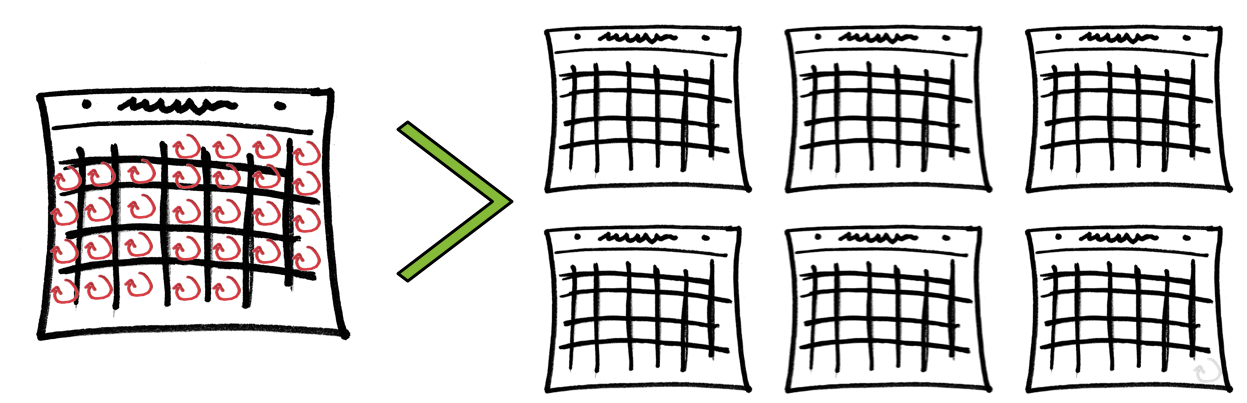
Innovation isn't a singular leap; it's a series of calculated, compartmentalized steps that culminate in transformative change. Over-segmenting tasks can dilute the primary objective, while under-segmenting can lead to overwhelming challenges. Continuous feedback and agility within compartmentalized tasks ensure alignment with the broader innovation vision.
Start with your qualitative insights and vision. Back up your intuition with quantitative data. Design S.M.A.R.T. experiments with a hypothesis. Learn to use an Experiment Calculator.
Innovation requires the ability to shift perspective. Innovation perspective games can be played by an individual or a team to boost their disruptive potential. Changing perspective is a skill that needs to be practiced and developed.
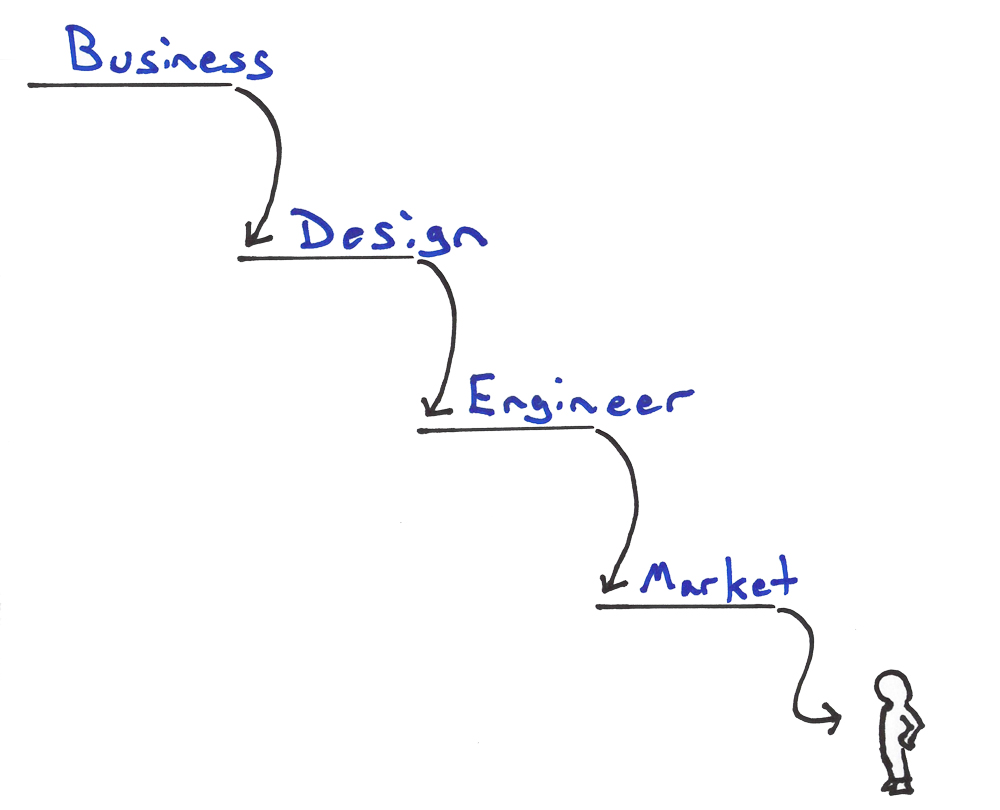
Innovation management has evolved significantly. It's no longer a rigid, one-way path but a dynamic, feedback-driven funnel. Projects can now revisit stages for further development, or take an off-ramp if they cease to align with strategic goals. This approach enables organizations to foster a more resilient, adaptable, and successful innovation process. But most of all, it increases both impact and ROI. In the rapidly changing business landscape, there's no room for static, one-size-fits-all processes. Your innovation process should foster creativity, leverage data, and maintain strategic alignment. By incorporating metered funding, data-driven decisions, bounce gates, and an offramp into your innovation process, you can enhance your new product development process and fuel your organization's future growth. Metered Funding stops funding to failing projects. Data-Driven decisions based on innovation accounting improves ROI. Bounce Gates allow pivots, which preserves lessons learned. Off Ramps for projects that don’t fit the strategy preserves option value.
The Net Present Value formula is a way of collapsing future cash inflows and outflows into today’s value for easy comparison. The Net Present Value formula is not a replacement for Innovation Accounting. The Net Present Value formula can be used within Innovation Accounting for making Pivot-or-Persevere decisions.
Learn the importance of making strategic decisions based on evidence rather than experience, and the benefits of keeping decisions close to the information to drive better outcomes in innovation projects.
Discover the impact of prioritizing speed over perfection in product experimentation and the advantages of continuous iteration for better outcomes.
How to make an accurate "guesstimation" when there is little data available.
Innovation accounting shows you how to decide between four options for your project: pivot, persevere, kill, or scale.
Even the best-laid plans need to adapt and evolve to developing circumstances, by building agility into how we conceive and implement adaptive strategy in the first place.
Every company wants to grow, but focusing on the wrong corporate growth metric can kill your business.
Taking your company through a digital transformation isn’t going to turn it into the next Google. What you want is exponential transformation.
A quick-and-dirty reference doc for flawless quantitative experiment design.
A case study on how two entrepreneurs went from idea to MVP without writing a single line of code.
Every company is different and requires a unique business model. Our Lean Experiment template can give you something solid to build yours on.
How to use retrospectives so your entire team can get the most out of your experiments.
Interviewing strangers is a science as much as an art. Learning how questions actually work can give you fresh insight into the customer discovery process.
Customer discovery tips from a writer who’s interviewed everyone from astronauts to zookeepers.
Interviewers have pain points too. Here’s how a focus on the elements of storytelling can make your discovery process rewarding and pain-free.
A list of questions and answers will only get you so far in a discovery interview. To truly understand your customer, you have to listen to their stories.
Is the customer discovery process one of your pain points? Find out how many interviews you should do, how often, and how to process the information quickly so you can move on to your build in no time.
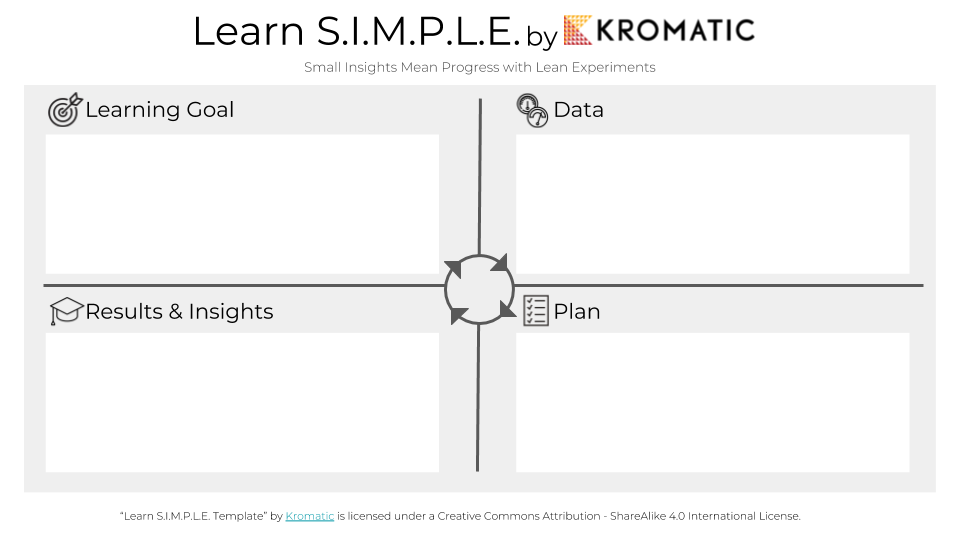
Yet another Experiment Template? Use this SIMPLE template to overcome the hardest part of running experiments...getting started.
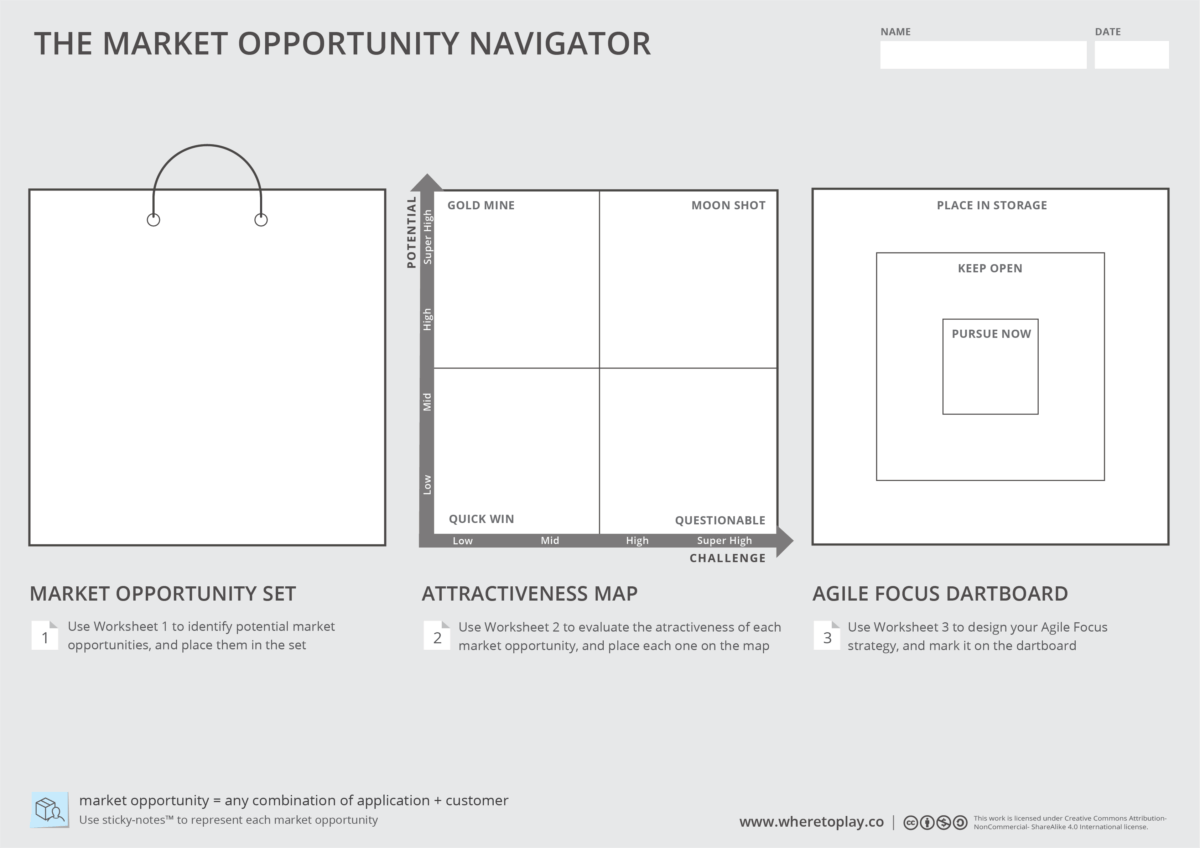
Identifying your target market is crucial to product success. Use this method and guide to set a promising strategic focus.
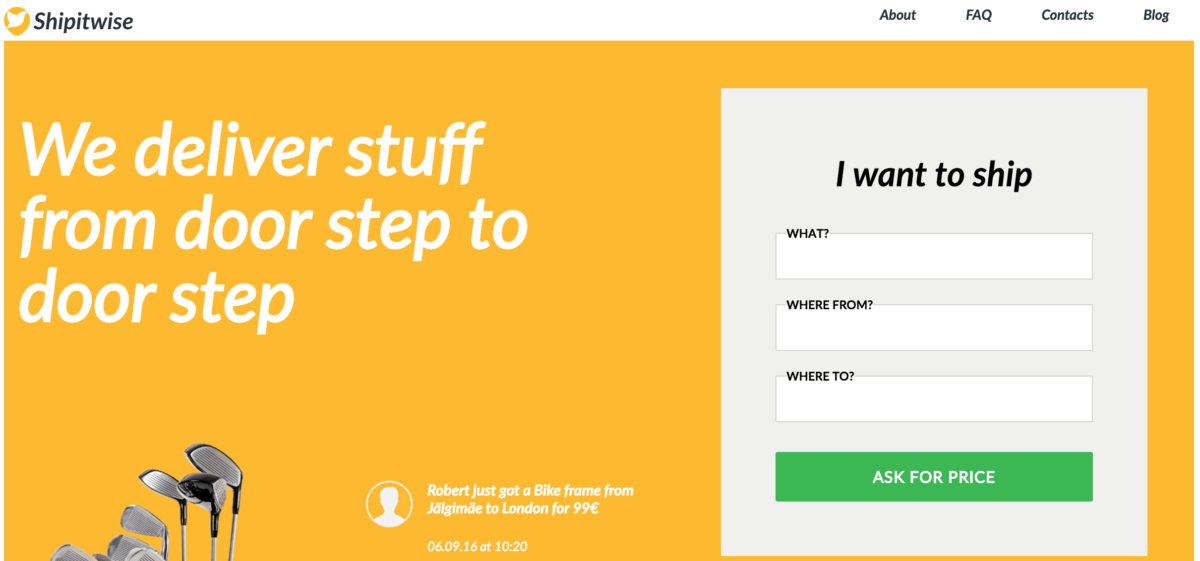
Have you thought about using Lean Startup to improve your sales process? The founder of Shipitwise reveals how he used lean principles to improve B2B sales.
As corporate innovation gets more trendy, businesses are keen to put clear KPIs in place to measure the effectiveness of innovation teams and hold them accountable for making progress. There is a rush to replace traditional KPIs with more actionable metrics such as experiment velocity.
Burn rates are meaningless in isolation. Iteration time is a critical aspect of starting a new business and we've noted a few misconceptions.
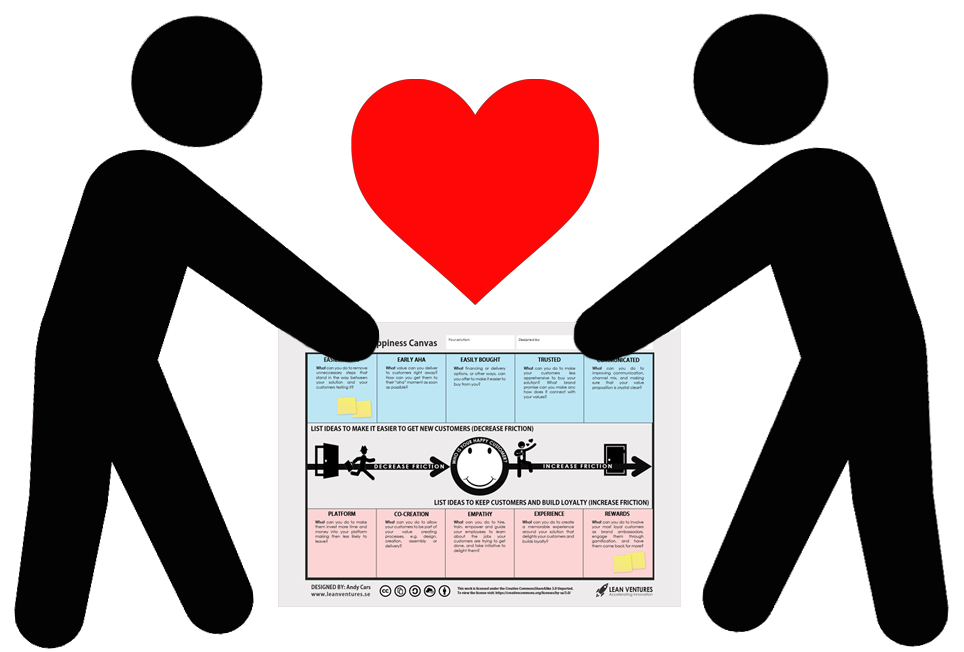
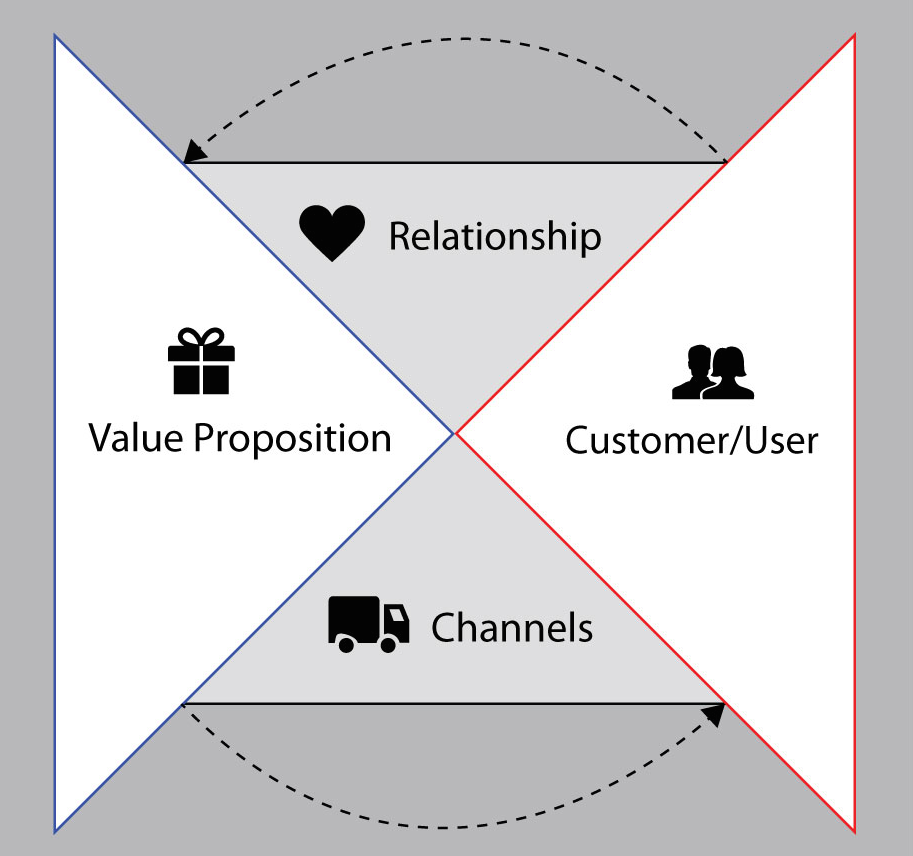
The Customer Happiness Canvas is a tool for teams to visualize strategies for getting and keeping customers.
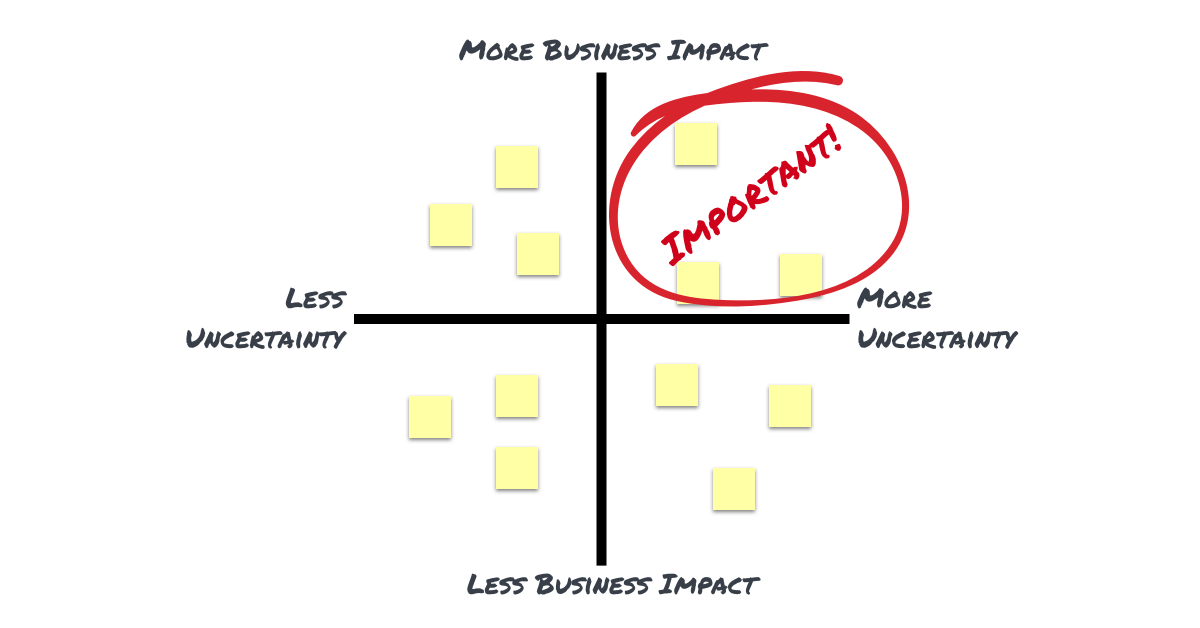
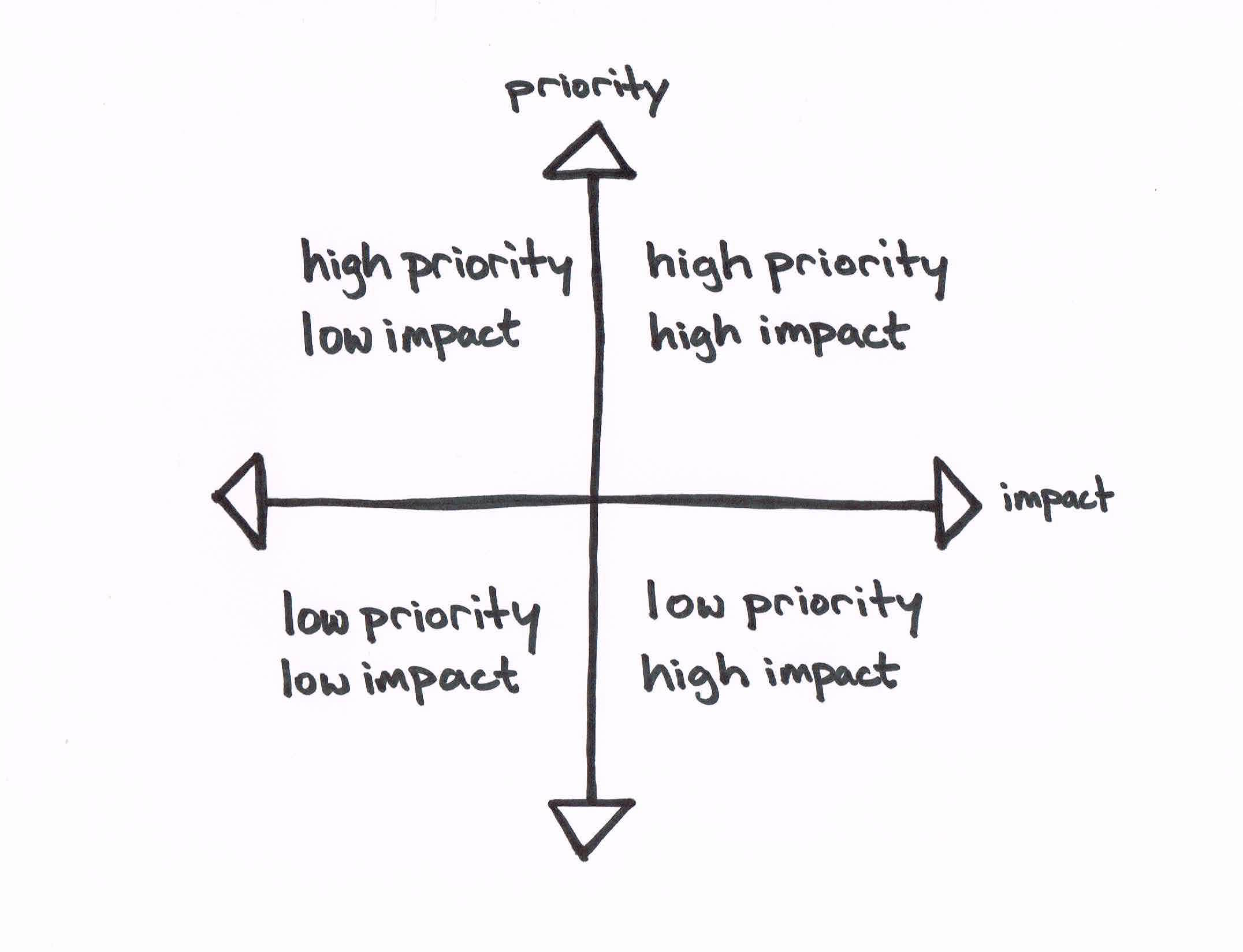
How we define “important” defines how we spend our days. We can endlessly debate what’s important without actually doing anything about any of it.
Nothing is worse that seeing an entrepreneur abandon a potentially good idea because they ran a landing page test and found a low (or zero) % conversion rate. That’s called a false negative. Here are a few things to check when our conversion rate looks so low that we’re considering abandoning an idea. I’ll list them in order of least likely to most likely based on my experience.
A step-by-step guide to getting the maximum value from your customer interviews. Includes how to prep, what to ask, what to listen for, and how to use it.
A step-by-step guide to getting the maximum value from your customer interviews. Includes how to prep, what to ask, what to listen for, and how to use it.
There are two lean startup methods that are often confused with one another. As a result, they're often misused: Concierge test and Wizard of Oz prototyping.
User onboarding is tricky, but critical. Concierge onboarding is helping a customer 1-on-1 so they can get value from your product or service right away.
Publishing update on the Real Startup Book - Craft the best experiment or research project to bring clarity to the unknowns of your current business model
User insights are critical for a great user experience. Recognizing the value of experimenting to for customer insights is the first step toward innovating.
I reject the idea of a success metric. As entrepreneurs, we are biased towards our vision, towards optimizing, towards self delusion. Guard against delusion.
What is a good hypothesis? Assumptions and hypotheses are not the same. Assumptions should be challenged with research. Hypotheses should be tested.
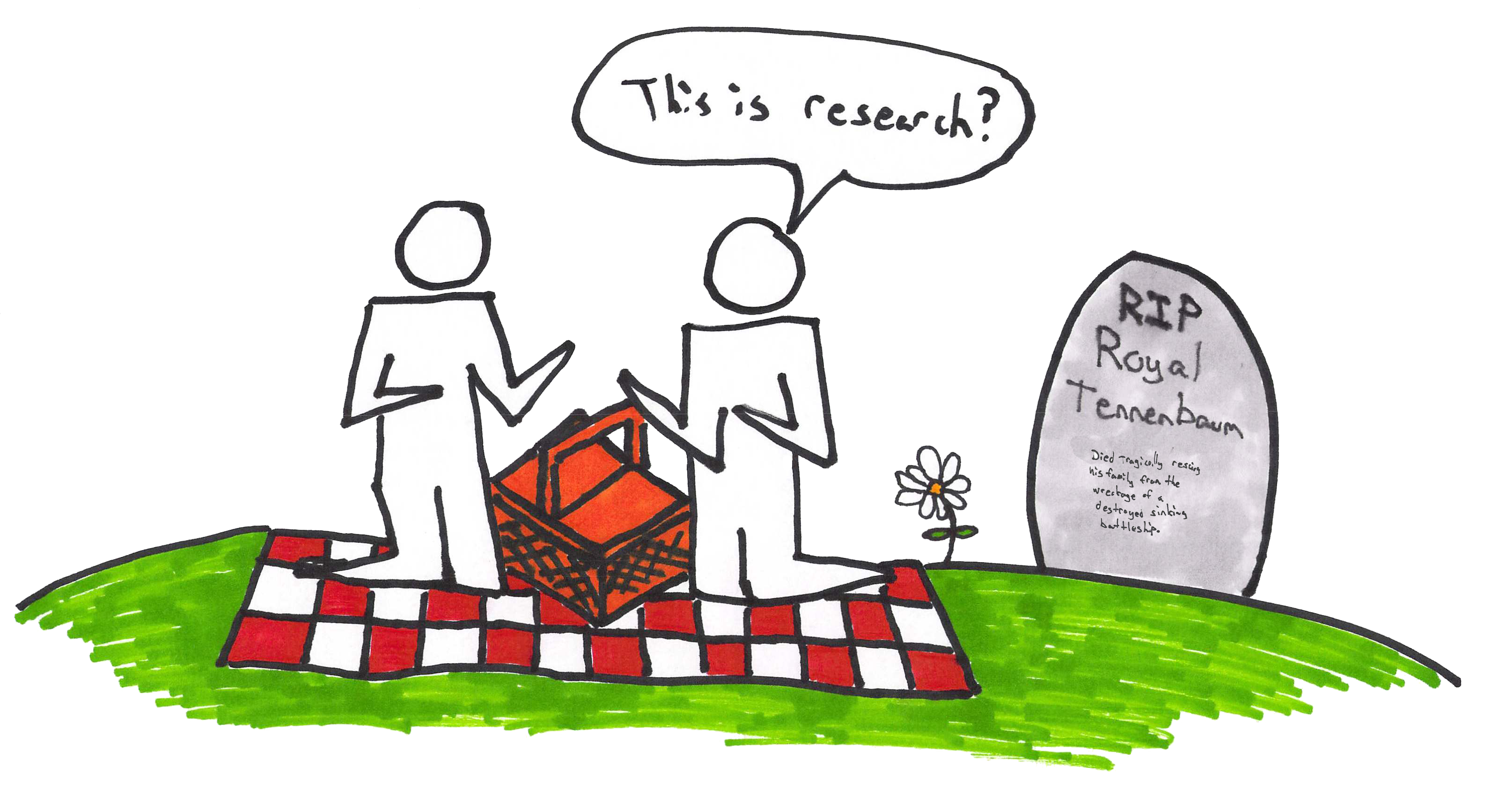
If our goal is to generate ideas, there a variety of methods. One of my favorites was told to me by Sean K. Murphy: Picnic in the Graveyard
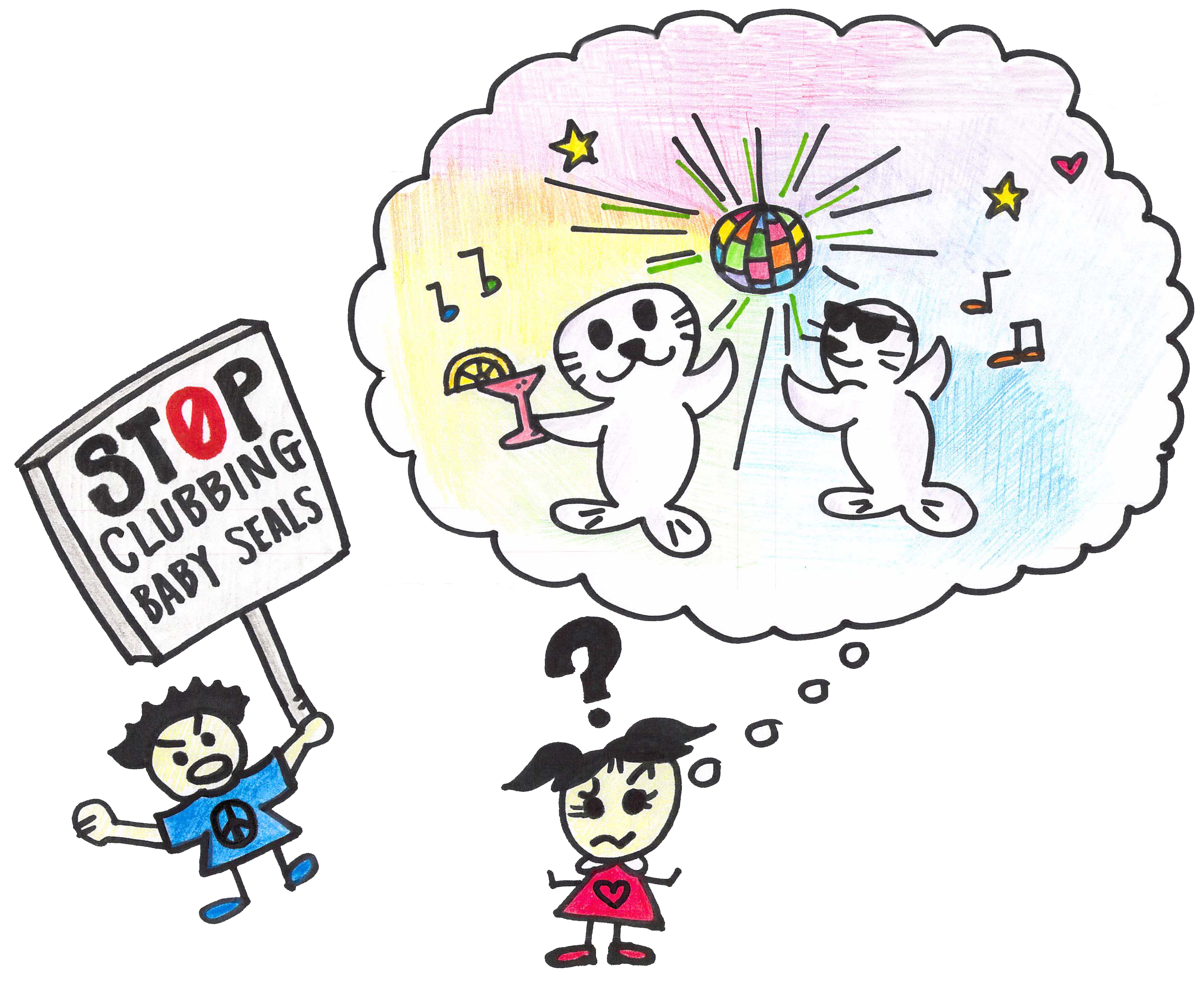
I hate premature surrender. That’s what happens when the signal from the market is NO, but you don’t truly grasp why. Landing Page vs. Comprehension Test
When it comes to lean sales for B2B, our ability to set concrete goals is lacking. This is a fundamentally bad practice. The result is lost sales.
It’s hard to keep tab of sales when we’re talking to customers. B2B startups founders with limited sales experience have trouble with qualifying leads.
Should we run a Pocket Test with Picnic in the Graveyard to follow up? What is a lean startup experiment for continuous innovation methods?
We hate templates, but we're always asked for one. So here’s our lean startup template and why we designed it this way. Please change it for yourself!
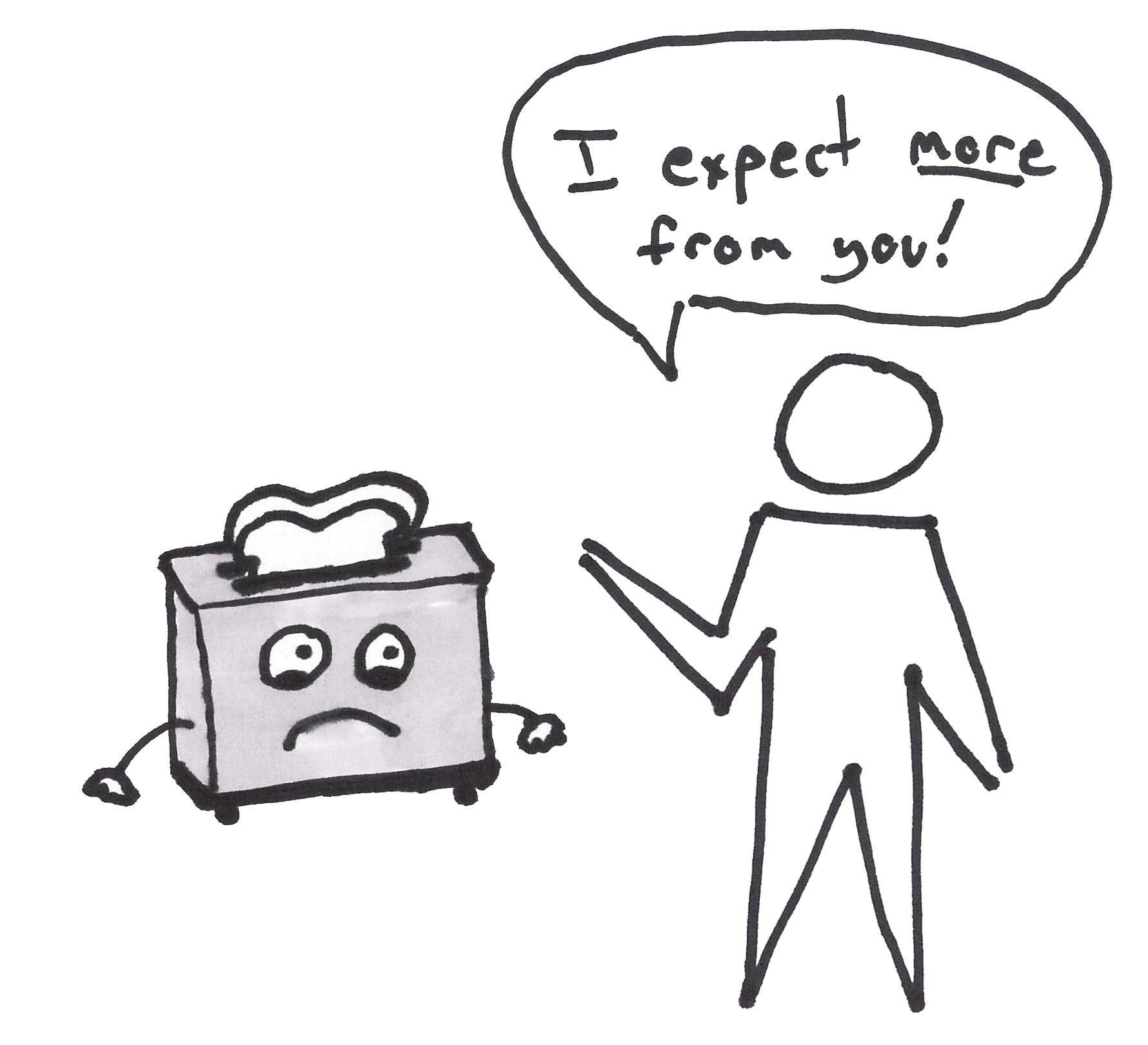
How much stress, anger and frustration can one simple malfunction or a minute delay in response cause? We experience expectation frustration on a daily basis.
"Everyone" is not our customer. Neither are "Consumers" or "SMBs." Unless the problem we are solving is death, not everyone wants our solution.
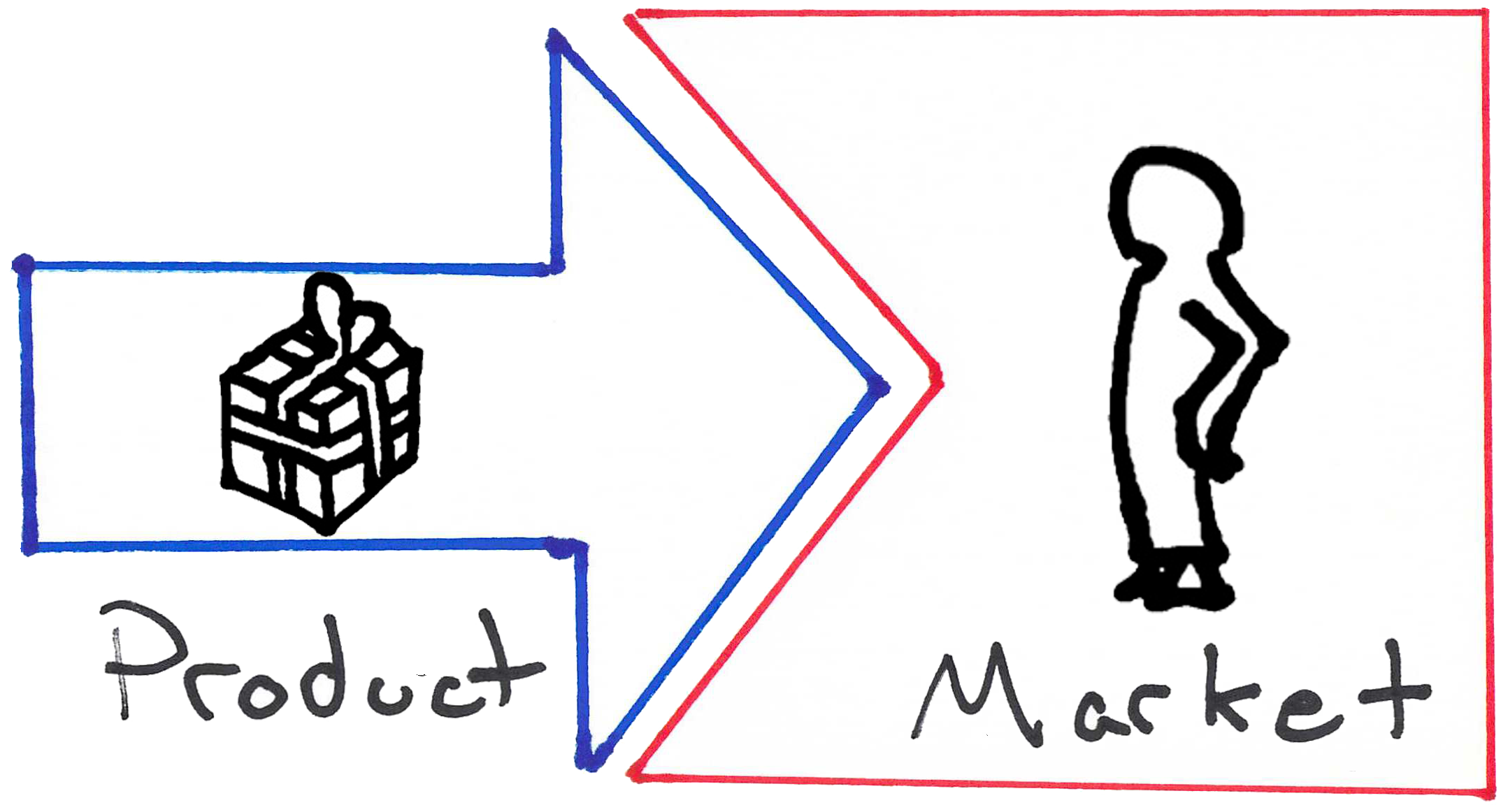
When looking for product/market fit, we start with the customer. That's the "market" part of product/market fit. Everything starts and ends with the customer.
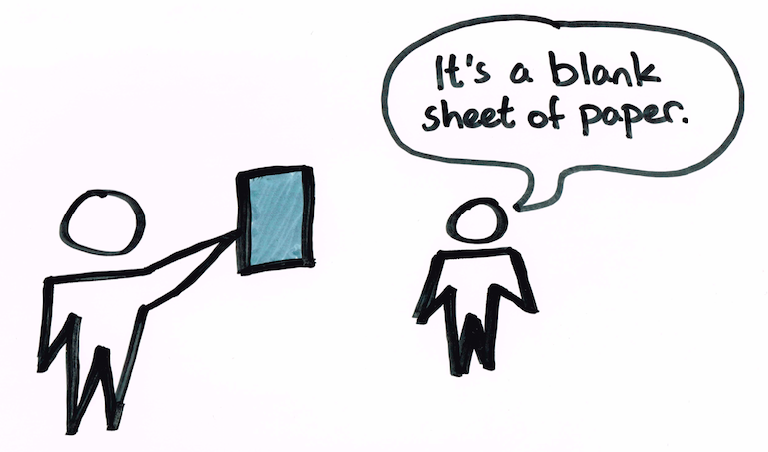
Isn't an MVP just a bare bones product? If people sign up for our MVP, that means we've got Product/Market Fit, right? Nope. A real MVP has four critical parts.
Lean Startup is hard. All we want is to build something people want. Which one of these tests will actually tell us if we have the fabled Product / Market Fit?
When we last left off, our intrepid Puppies-as-a-Service Business Model Canvas was looking pretty good. We'd finished off the product/market fit side of the canvas.
Customer development is hard. It takes work to get it right and you'll always be improving your technique. Here are a few tips I like to keep in my head while I'm getting out of the building.
It's not just about Customer Development. I'm a massive fan or Customer Development but that cannot be the only tool in your toolbox.
TaskRabbit launched a new business: Puppies-as-a-Service I think it's a fabulous idea and it'll make a great example to use with our new Business Model Canvas.
The Business Model Canvas is the tool of choice for a business dashboard. It very much appeals to the business guy in me. It irks the UX part of my brain.
I have a love hate relationship with the Business Model Canvas. Steve Blank uses it brilliantly in his Lean Launchpad class, I've had less success.
A comprehensive breakdown of Minimum Viable Product and the tools you need to create one for your startup.
Entrepreneurs should stop talking about abstract solutions and frame their pitches in terms of solving real problems, but I was wrong. Problems don't exist.
1) Focus relentlessly on people. 2) Cash in hand beats bullshit on slide... 4) If your MVP can't prove you wrong, then it can't prove you right either.
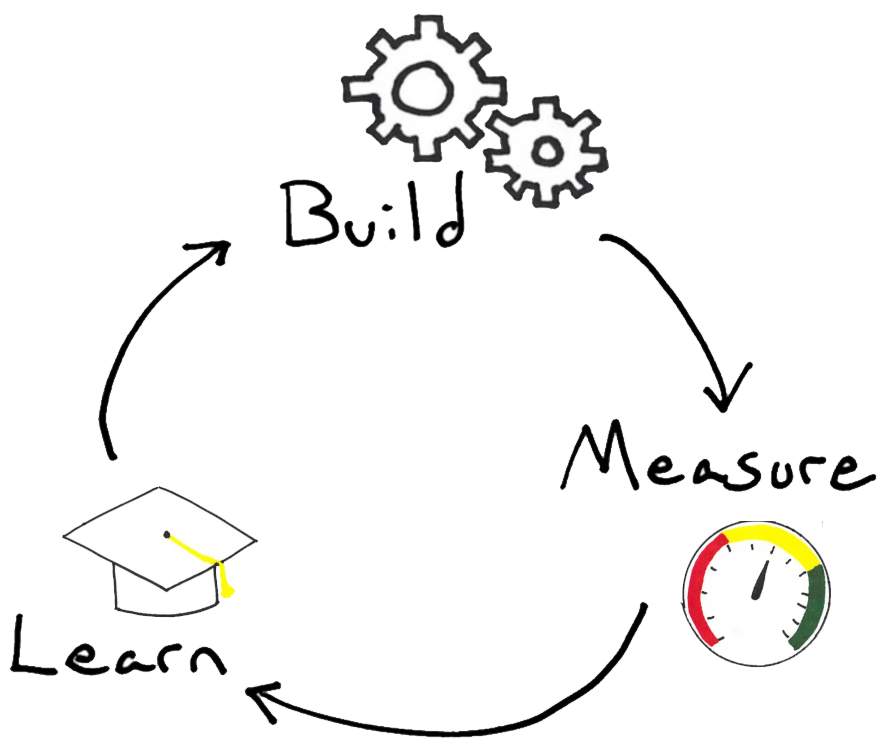
The Build-Measure-Learn (BML) loop is the most fundamental concept of the Lean Startup. And it's completely backwards.. To do it right, start with Learn.
Is anyone else out there sick of signing up for on-line products that don't do what they promised? "It's only an MVP" is a poor excuse for bad user experience.
Sometimes pivoting describes how entrepreneurs adapt to customer feedback. Sometimes it's an annoying buzzword, grating to the ears.
Don't outsource your decision making. Even if it's someone you respect and they've tried a similar business model before, do the customer development yourself.
Top 3 Ways to Fail at Customer Development: Fail #1 - Talk talk talk Fail #2 - θυμάστε αυτό Fail #3 - Being Gullible
"What the best tool for wireframing?" I've used quite a few and I've come to a pretty strong opinion on the best tools for the job.
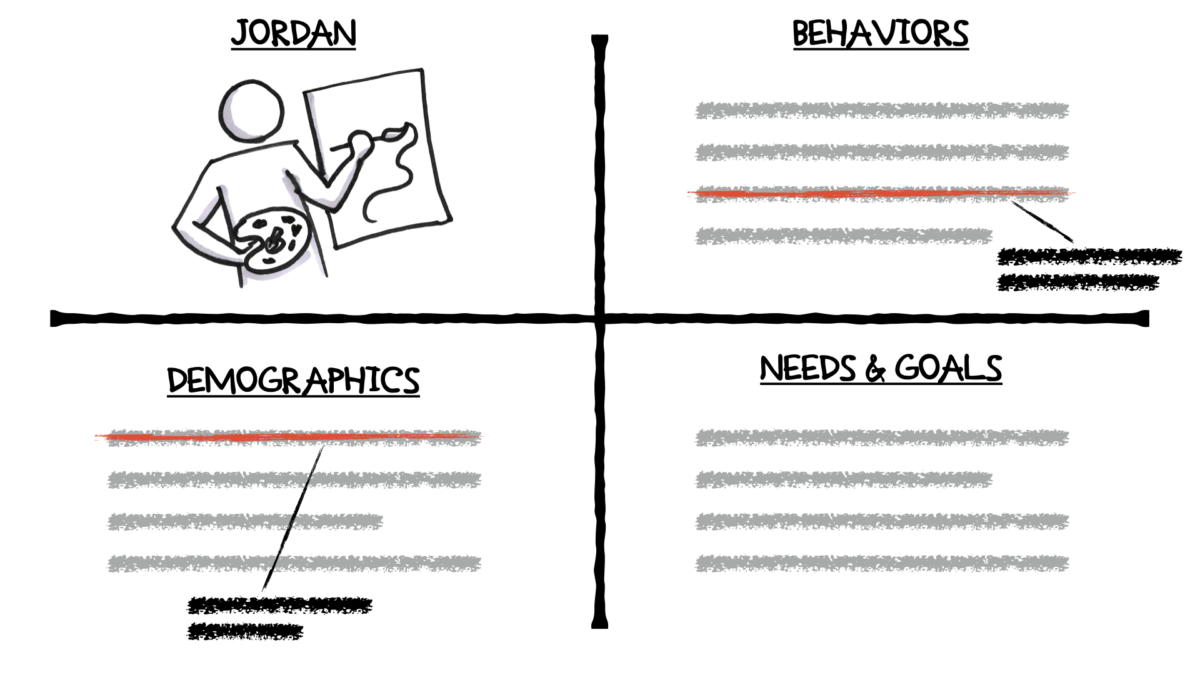
Personas are an amazing tool for doing customer development. They are the clearest form of hypothesis, test, and learn (a.k.a. build, measure, learn)
If the customer doesn't start complaining for the next fifteen minutes, they don't have a pain point. The length of time a person will complain uninterrupted is a pretty good proxy for the amount of pain they're feeling.
At the last Startup Weekend (#swmobile) the team I joined was called KissMobs. We were the only Startup Weekend team to finish the weekend cash flow positive.
This week I was incredibly excited to be ambushed by a couple of users who told me how many things we needed to fix in order to make the site usable.
How does customer development differ with regards to products which require a network effect to be useful? Short answer: No one knows.
There is a powerful feeling to being the the same room as a thousand other people drinking the same kool-aid. We can make more value by building less.
We pushed people through a rather long survey and got an 82.9% completion rate. So we knew that people were willing to fill out some forms. Oops.
I like to think at least five moves ahead in the five most likely futures. So I decided to make a list of my potential product/market pivots.
When faced with a half dozen rifle toting grizzly bears with a penchant for human flesh, the correct choice is to run. But more often than not, we choose flight because we don't see how we can possibly fight.
51 revisions in 18 days, almost all of which are iterations based on feedback from users without writing a single line of code.
I've discovered a great new method of growing bigger ears. Ready? Wait for it... go listen to sales pitches from startup consultants.
Six people had looked over my mock-up. I thought it was "good enough" and my customer development was done (at least for version 0.1). I was wrong.