Understanding the theory behind innovation helps you make better strategic decisions. Explore the research, frameworks, and first principles that underpin modern innovation practice.
We are living through a major revolution in AI technology. It’s not the invention that changes our lives, it’s the way the inventions are adapted to real use cases. AI is going to change our lives once it is harnessed to create new solutions and unlock new forms of value.
Financial ROI and social ROI are complementary, not competitive. Innovation for the community requires participation from the community. Artificial intelligence will soon be considered part of the community rather than just a tool we use.
Constraints have a funny way of focusing the mind. Artificial constraints can drive innovation in your organization. Today’s challenges are recruiting tomorrow’s innovators.
Innovation isn't a singular leap; it's a series of calculated, compartmentalized steps that culminate in transformative change. Over-segmenting tasks can dilute the primary objective, while under-segmenting can lead to overwhelming challenges. Continuous feedback and agility within compartmentalized tasks ensure alignment with the broader innovation vision.
Innovation management has evolved significantly. It's no longer a rigid, one-way path but a dynamic, feedback-driven funnel. Projects can now revisit stages for further development, or take an off-ramp if they cease to align with strategic goals. This approach enables organizations to foster a more resilient, adaptable, and successful innovation process. But most of all, it increases both impact and ROI. In the rapidly changing business landscape, there's no room for static, one-size-fits-all processes. Your innovation process should foster creativity, leverage data, and maintain strategic alignment. By incorporating metered funding, data-driven decisions, bounce gates, and an offramp into your innovation process, you can enhance your new product development process and fuel your organization's future growth. Metered Funding stops funding to failing projects. Data-Driven decisions based on innovation accounting improves ROI. Bounce Gates allow pivots, which preserves lessons learned. Off Ramps for projects that don’t fit the strategy preserves option value.
Learn the importance of making strategic decisions based on evidence rather than experience, and the benefits of keeping decisions close to the information to drive better outcomes in innovation projects.
Innovation strategy is about more than tackling what’s in front of you. You have to know how to find -- and manipulate -- the advantages of hidden markets.
Startups are a lot like poker in that much of the information you need is hidden from you. In this version of Startup Poker, learn how to calibrate your business model to the market you’re chasing.
We product managers have let ourselves be put into smaller product owner boxes. We've been focused on process when the biggest risks are about markets.
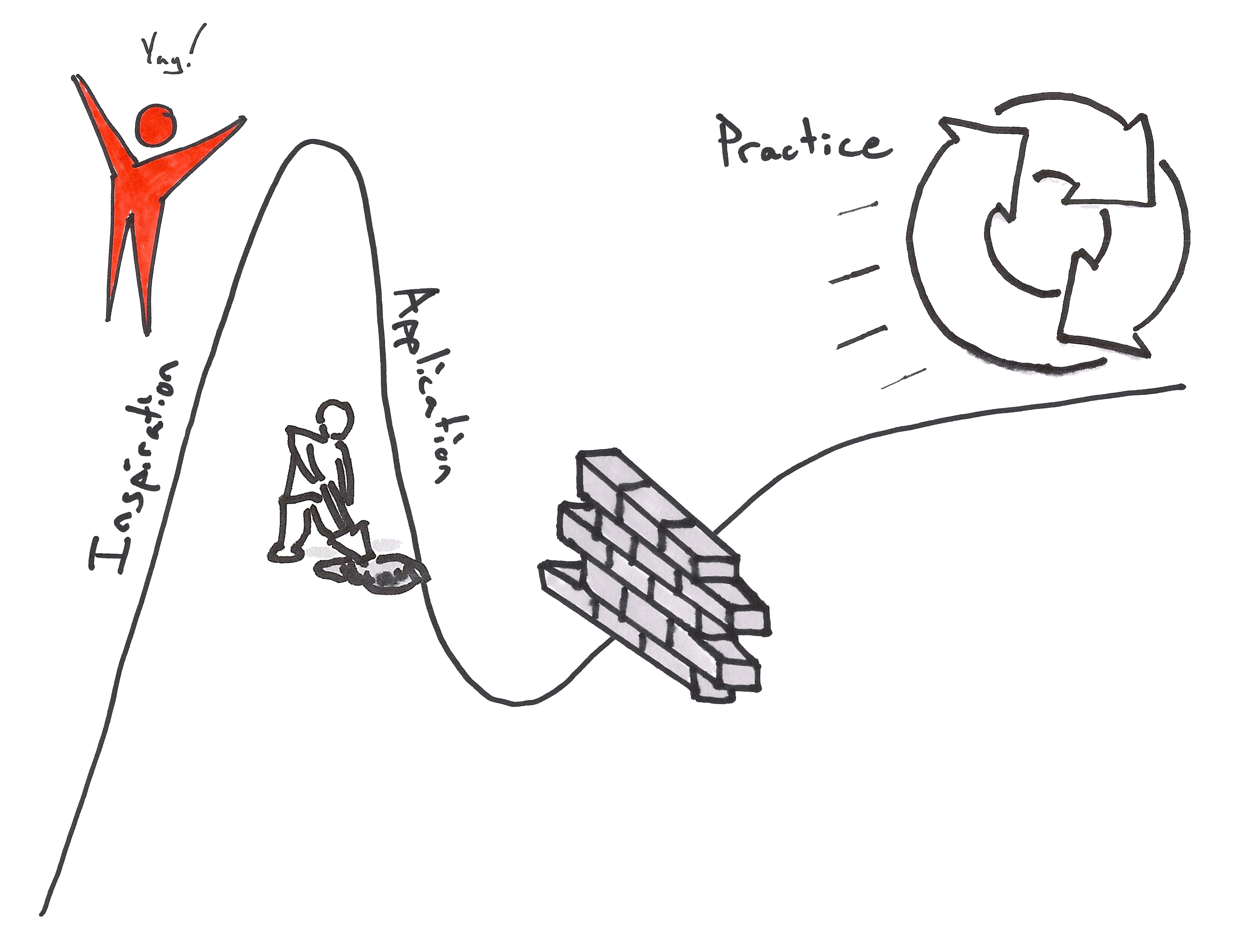
The enterprise adoption of lean startup principles is following much the same course as startup ecosystems adopting lean startup. It's the Lean Hype Cycle.