Why Innovation Training Fails Without Strategy, Resources & Scale
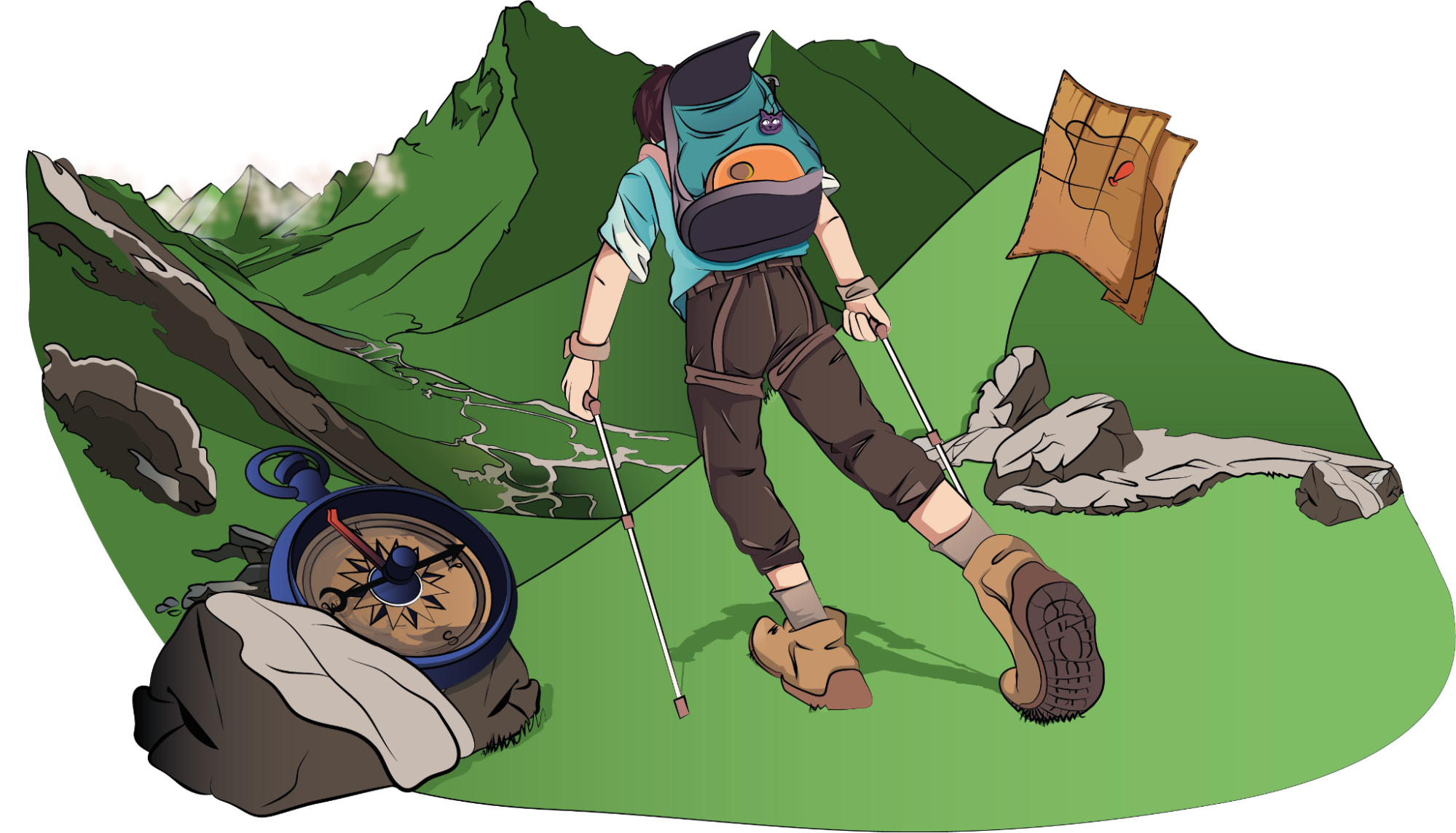
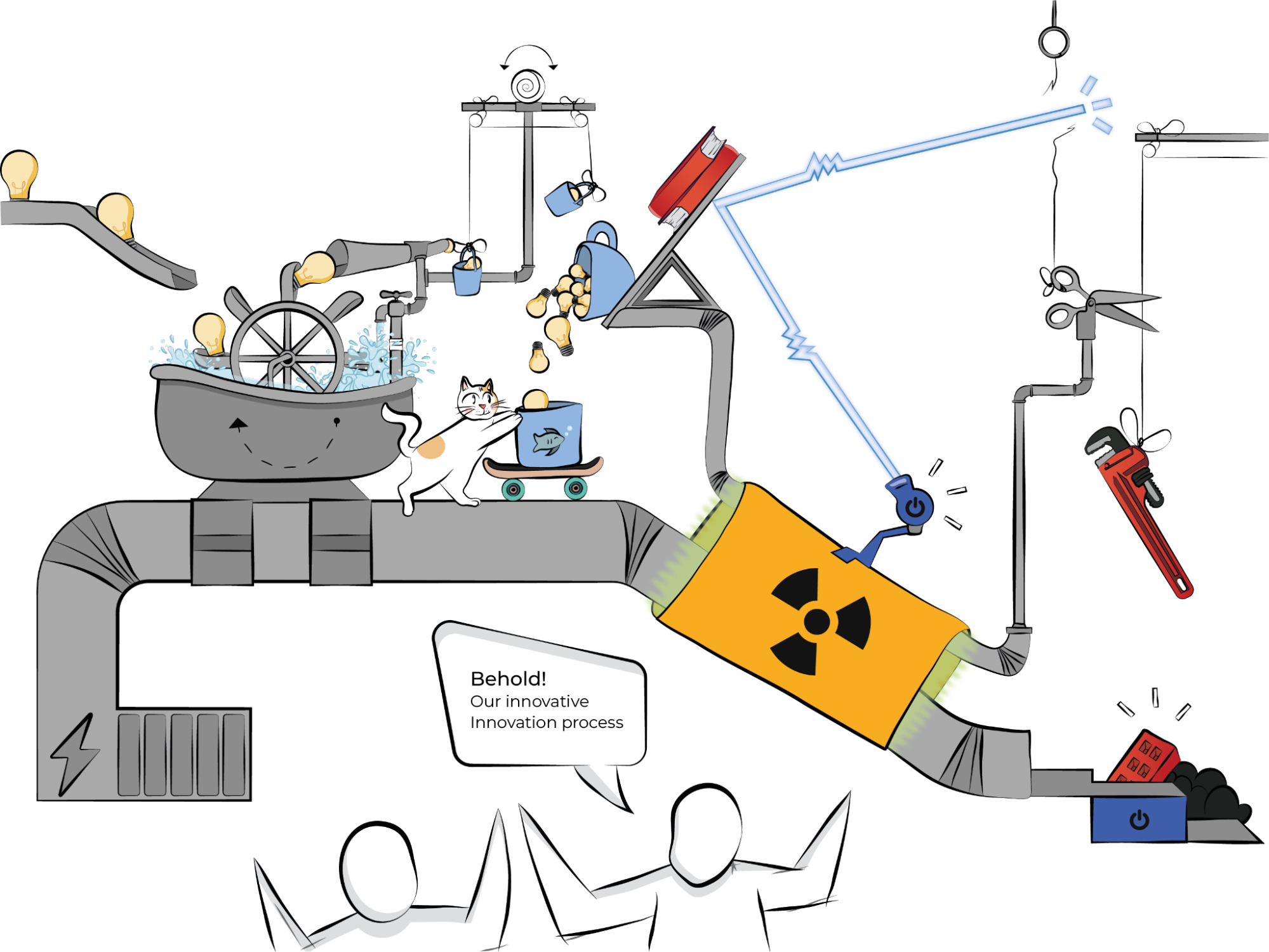
Innovation failure stems from missing strategy, resources, and scale — not poor training. Learn how to integrate methods into a complete innovation stack.
206 articles on innovation, lean startup, and entrepreneurship
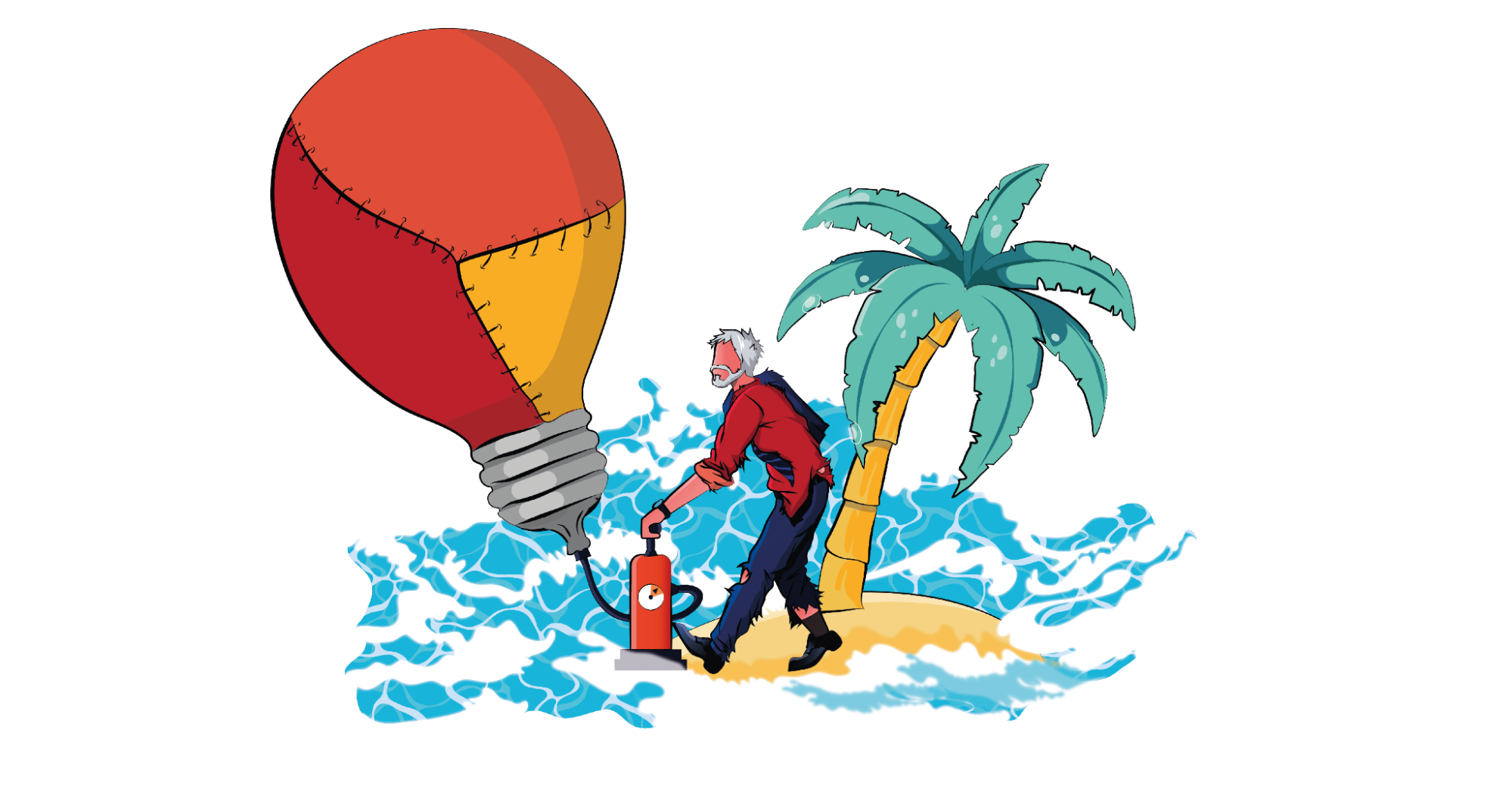
Innovation failure stems from missing strategy, resources, and scale — not poor training. Learn how to integrate methods into a complete innovation stack.
Constraints focus the mind and fuel creativity. Learn strategies for turning real and artificial limitations into powerful innovation opportunities.
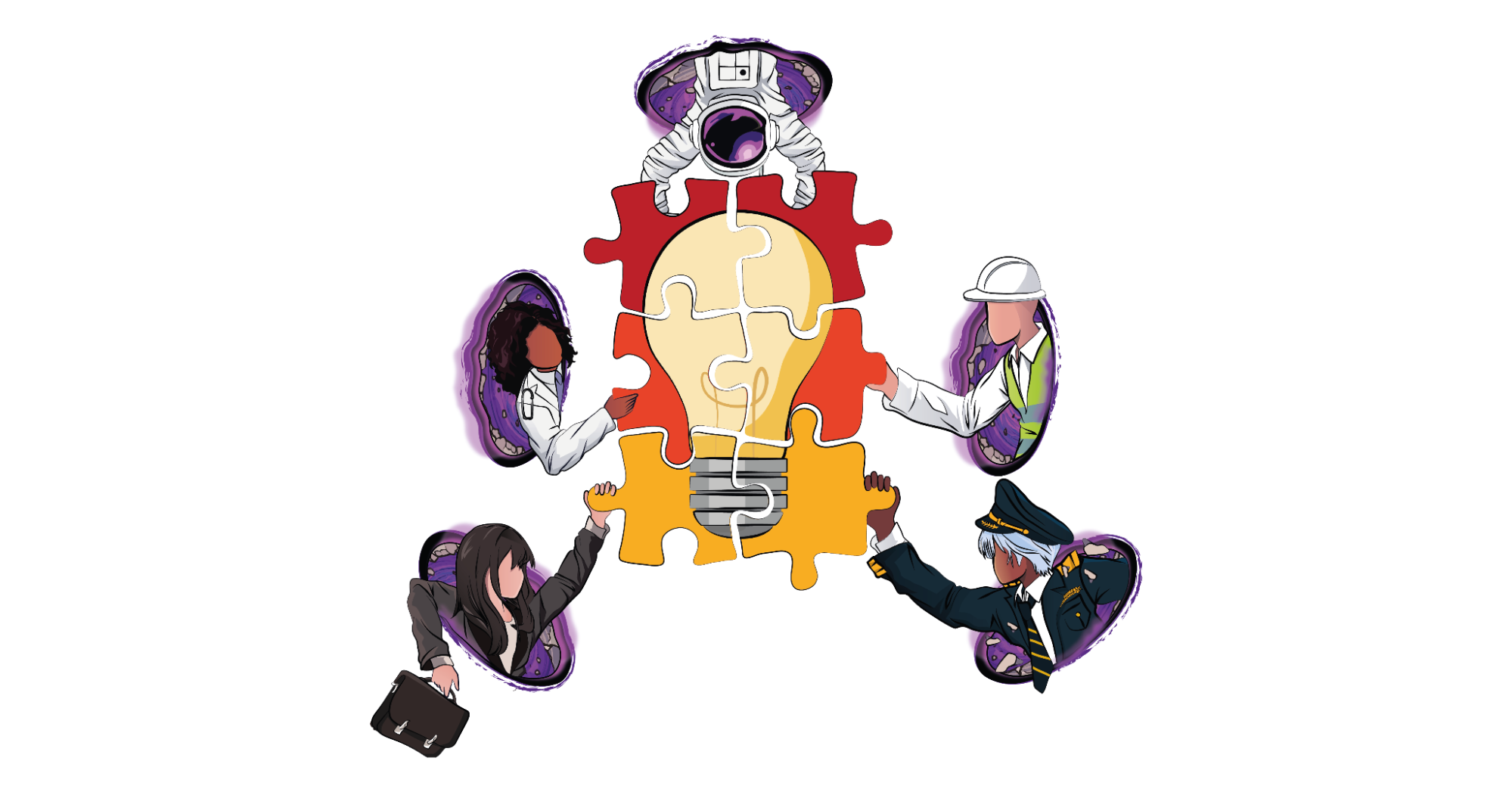
The best innovation ideas come from unrelated industries. Learn cross-industry strategies, real examples, and how to build a borrowed innovation culture.
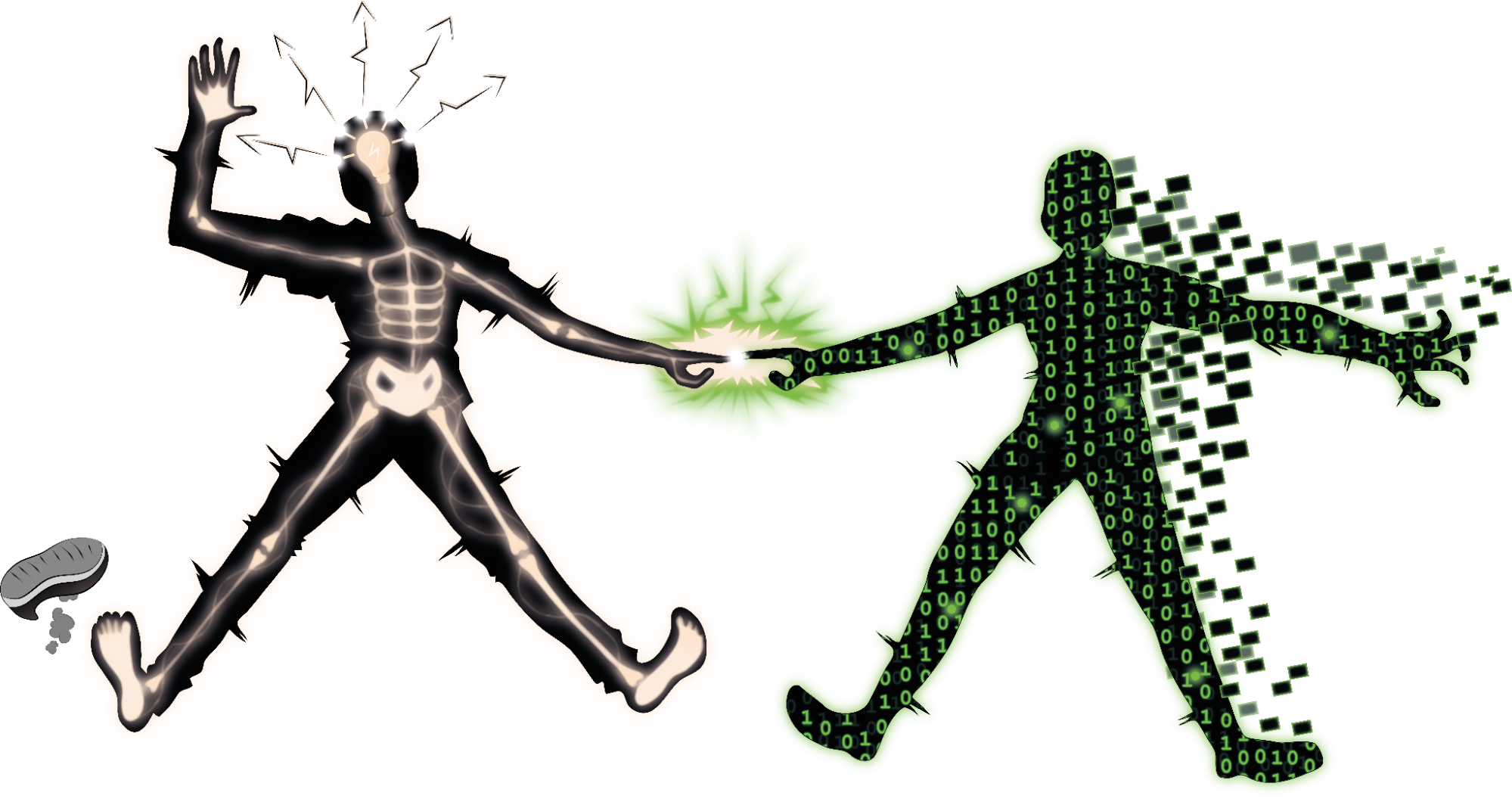
Use artificial intelligence in innovation as a creative collaborator, not a replacement. Delegate mundane tasks to AI and focus on what humans do best.
Train yourself to know which startup experiment to run and when. Free innovation flashcards quiz pairs with The Real Startup Book for founders and teams.
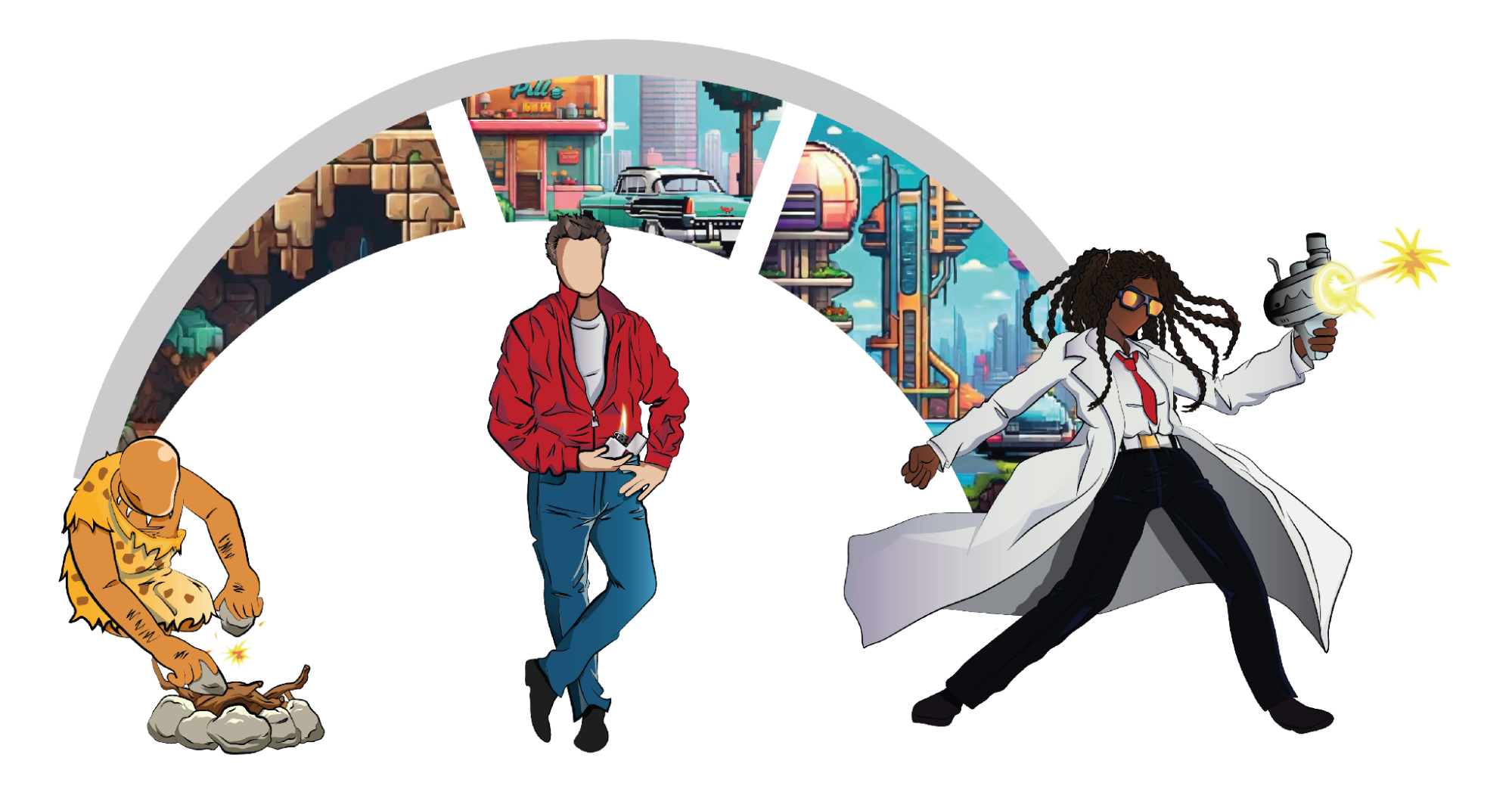
Learn how to break your innovation process into focused, manageable steps that drive transformative results without losing sight of the bigger picture.
Most product managers misuse statistics. Learn how margin of error, sample size, and experiment design lead to better product decisions.
The Real Startup Book gets a UX upgrade with new navigation, better styling, and GitHub-linked content. See what changed and how to contribute.
Learn 3 innovation perspective games — Six Thinking Hats, Role Storming, and Reverse Brainstorming — to unlock disruptive ideas and break creative ruts.
Modernize your stage-gate innovation process with metered funding, data-driven decisions, bounce gates, and off-ramps to boost ROI.
Use Kromatic's free Experiment Calculator to plan sample sizes and interpret A/B test results. Avoid false conclusions from your quantitative data.
Parachute leaders combine micromanagement with absentee ignorance. Learn how to stay informed, build trust, and stop derailing your team's work.