
The Straw Man Lean Enterprise Book: Cargo Cult vs. Real Adoption
Yes, it's a straw man argument. That's the point.
 By Tristan Kromer ·
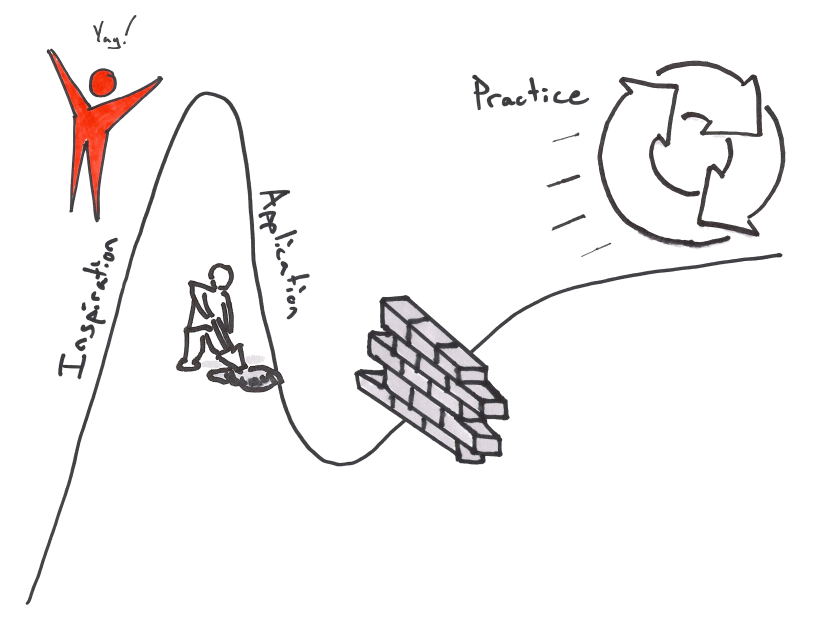
  In my last post, I criticized adoption of the term Lean Enterprise and was accused of making a straw man lean enterprise book argument. That is 100% correct. It is a straw man argument. It’s the straw man that I’m arguing against. The enterprise adoption of lean startup principles is following much the same course as startup ecosystems adopting lean startup. There’s a lot of cargo cult buzzword adoption. It’s the Lean Hype Cycle.
  That’s ok. It takes some hype to get things rolling. So let’s dig deeper and deconstruct the straw man lean enterprise book.
Quick Answer: The term “lean enterprise book” has become buzzword bingo — as product managers, we should be wary of cargo cult adoption where enterprises adopt lean methodologies (like Business Model Canvas or 3-horizon planning) without understanding the underlying principles. Enterprise lean adoption is following the same hype cycle as startup ecosystems. No one truly knows what a lean enterprise is yet; ideally it means a corporation continually improving its own practices, not just checking methodological boxes.
What is Lean Enterprise? (A brief history)
The Lean Enterprise Institute was founded by James P. Womack in 1997 which largely focused on the enterprise adopting of Lean Manufacturing techniques. Other authors used those techniques in a variety of contexts and started churning out books such as:
- The Lean Enterprise Memory Jogger: Create Value and Eliminate Waste Throughout Your Company by Richard L. Macinnes (October 10, 2002)
- The Complete Lean Enterprise: Value Stream Mapping for Administrative and Office Processes by Beau Keyte , Drew A. Locher (July 30, 2004)
From there things become more about culture:
- Leading the Lean Enterprise Transformation by George Koenigsaecker (2009)
- Lean Transformation: How to Change Your Business into a Lean Enterprise by Bruce A. Henderson & Jorge L. Larco (January 1, 2010)
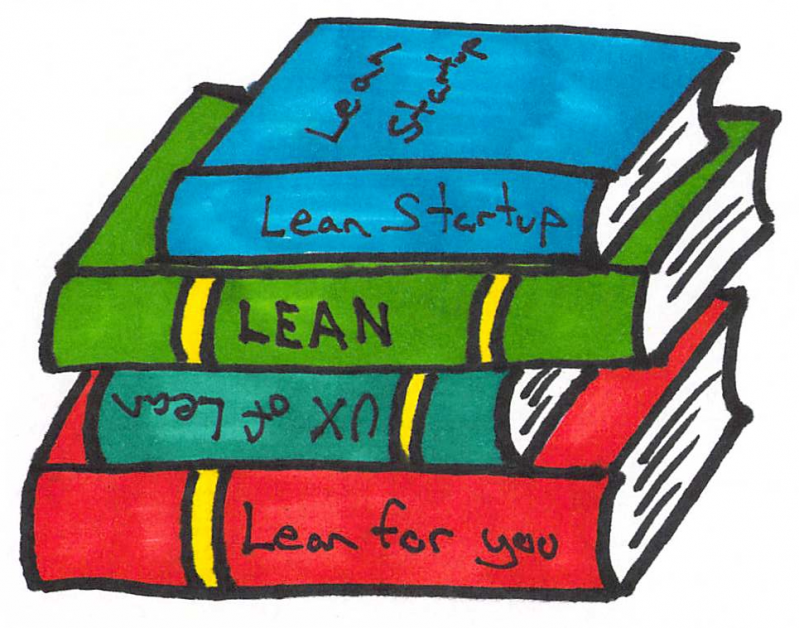 However, since Eric Ries wrote The Lean Startup (September 13, 2011), the term Lean Enterprise book makes most people think about the application of Lean Startup principles to large organizations. The books published since 2011 reflect that:
- The Innovative Lean Enterprise: Using the Principles of Lean to Create and Deliver Innovation to Customers by Anthony Sgroi Jr. (August 19, 2013)
- Lean Enterprise: How Corporations can Innovate like Startups by Trevor Owens & Obie Fernandez (March 31, 2014)
- Lean Enterprise: Adopting Continuous Delivery, DevOps, and Lean Startup at Scale by Jez Humble, Barry O’Reilly, & Joanne Molesky (September 25, 2014)
- The Corporate Startup: How Large Enterprises Can Implement Sustainable Disruptive Innovation by Tendayi Viki & Dan Toma (TBD)
They are all good, have different perspectives, and are worth reading. My last post was not a specific response to any of these books, but the term itself.
What does Lean Enterprise really mean?
Unfortunately, the term “Lean Enterprise” is what all good terms eventually turn into… fodder for buzzword bingo. 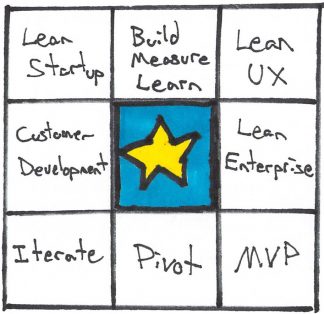 Many of the books I listed offer a practical methodology for implementing lean principles. In popular usage “MVP” is now synonymous with “prototype.” “Agile” is (sometimes) synonymous with “We do daily stand ups.” “Pivot” is synonymous with “I changed my mind based on the latest shiny thing that caught my attention.” The problem with the term “Lean Enterprise” is in distinguishing lean principles from lean methodology. (Side note: If you’d like a stand out book recommendation on adopting lean principles at scale, read The Toyota Way to Lean Leadership by Jeffrey Liker & Gary L. Convis. It’s the one Eric Ries recommended to me that I draw the most from in my work and writing.)
Principles vs. Methodology
As with Agile adoption in the enterprise, the problem is not with Agile (whose principles are nearly identical with Lean Startup.) The problem is with applying Scrum (a methodology of implementing Agile) without thought for the specific circumstances of the team or understanding the purpose of the various methods within it. Stand ups become ritualistic without conveying information, work-in-progress sneaks from one sprint to the next, and war rooms become an anti-pattern. Band aids instead of cures. Enterprises are complex. It’s this “Lean Enterprise” that is dangerous. The “Lean Enterprise” straw man adoption. 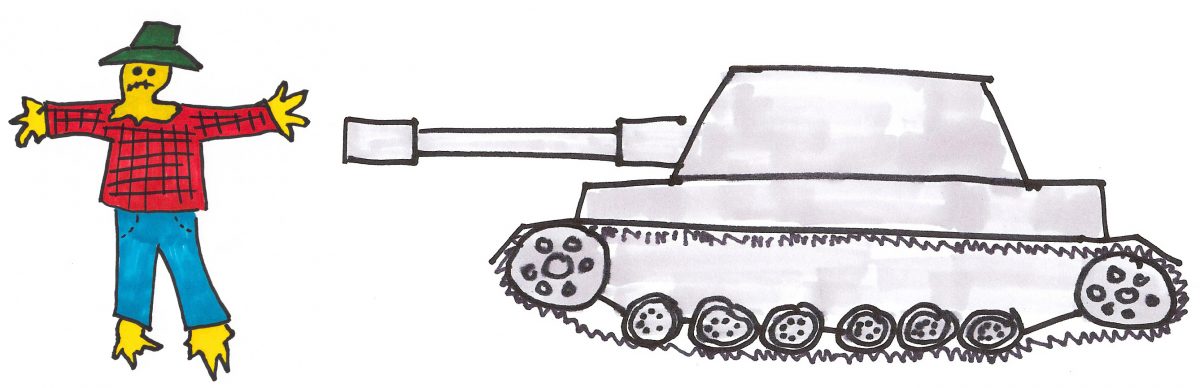
Against the Straw Man
Over the next few years, we’ll see a lot more talk about Lean Enterprise as well as its failings. There will be a lot of methodologies. There will be a lot of books. There will be even more blog posts. We should be wary of buzzwords and the SEO driven frenzy that we are all subject to. I’m playing the SEO game right now with this very post! Innovation Ecosystem is just another buzzword in waiting. The terms aren’t important. If the term is a useful metaphor, use it. If not, discard it. What makes us lean is the practice. We can get leaner and leaner…we are never simply lean. If we read a book, we should read another, and then another. We should seek out different opinions. We should disagree and we should argue.
What is Lean Enterprise?
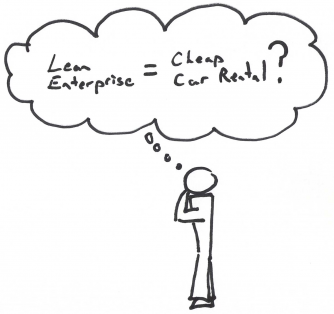 I don’t know. No one knows what is lean enterprise. Not yet. It’s too early. We’re just scratching surface of what a Lean Enterprise can truly accomplish. There is more to learn. I have hopes. I hope that Lean Enterprise doesn’t mean “We do 3 horizon planning.” I hope it doesn’t mean “We use the Business Model Canvas.” I hope that the term comes to mean the adoption of Lean Startup principles within an complex organizational environment. I hope Lean Enterprise simply means, a corporation…continually improving it’s own practices.
Frequently Asked Questions
What is a lean enterprise book actually about?
A lean enterprise book typically covers applying lean startup principles to large organizations. Before Eric Ries’ The Lean Startup in 2011, the term focused on lean manufacturing techniques in enterprises. Since then, most lean enterprise books address how corporations can innovate like startups, adopt continuous delivery, and implement sustainable innovation at scale. Several good books exist with different perspectives worth exploring.
Why is “lean enterprise” becoming just another buzzword?
The term “lean enterprise” suffers the same fate as other lean startup concepts — cargo cult adoption without deep understanding. Just as “MVP” became synonymous with “prototype” and “pivot” means “I changed my mind,” lean enterprise risks becoming shorthand for surface-level practices like “we do 3 horizon planning” or “we use the Business Model Canvas” without truly adopting the underlying principles.
What’s the difference between lean principles and lean methodology in enterprises?
As product managers, we need to understand that principles guide why we work a certain way, while methodology prescribes how. The danger comes when enterprises adopt lean methodologies — specific frameworks and rituals — without understanding the principles behind them. This mirrors agile adoption where teams do daily standups religiously but miss the point entirely, creating band aids instead of cures.
Is enterprise adoption of lean startup following the same hype cycle as startups?
Yes. The enterprise adoption of lean startup principles is following much the same course as startup ecosystems did — what the author calls the “Lean Hype Cycle.” There’s significant cargo cult buzzword adoption, but that’s a natural part of the process. It takes some hype to get things rolling, and we’re still in the early stages of understanding what a truly lean enterprise can accomplish.
What’s the best book for adopting lean principles at scale?
The article specifically recommends The Toyota Way to Lean Leadership by Jeffrey Liker and Gary L. Convis as a standout choice. It was the book Eric Ries personally recommended to the author and the one that most influences his work and writing. It focuses on lean principles rather than surface-level methodology adoption, making it particularly valuable for enterprise contexts.


Comments
Loading comments…
Leave a comment