
Hope Amidst Disruption: Why Innovators Should Be Optimistic in 2025
Gratitude, good news, and an open invite to connect.
 By Tristan Kromer ·
 Quick Answer: As we head into 2025, innovation teams face relentless pressure from political, technological, and economic disruption — but there’s genuine reason for hope. As product managers, we should ground ourselves in gratitude for real progress (HIV prevention breakthroughs, fusion energy advances, species recovery) and refocus on what matters most: serving people. Tools for data-driven decision making, innovation accounting, and risk calibration can help teams navigate uncertainty, but human connection remains the irreplaceable foundation of meaningful innovation.
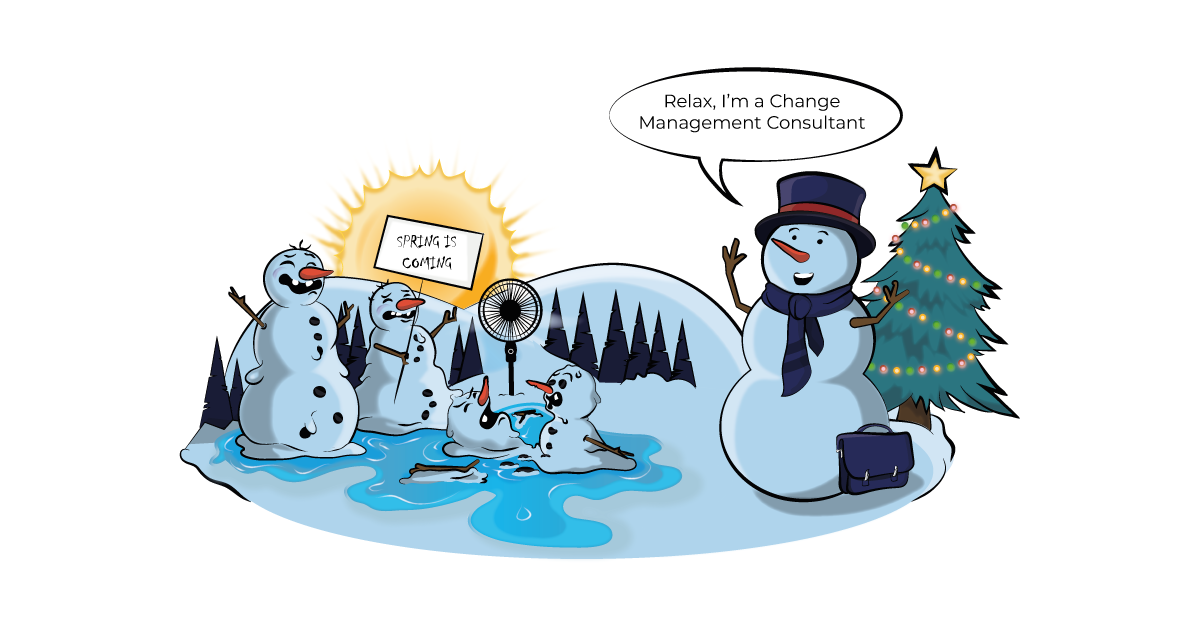
By Tristan Kromer Moving into 2025, we’re firmly in an era of continuous disruption. Innovation teams are under relentless pressure to demonstrate ROI while navigating political mood swings and technological upheavals. Amid all this, it’s hard to remember what “normal” even means. 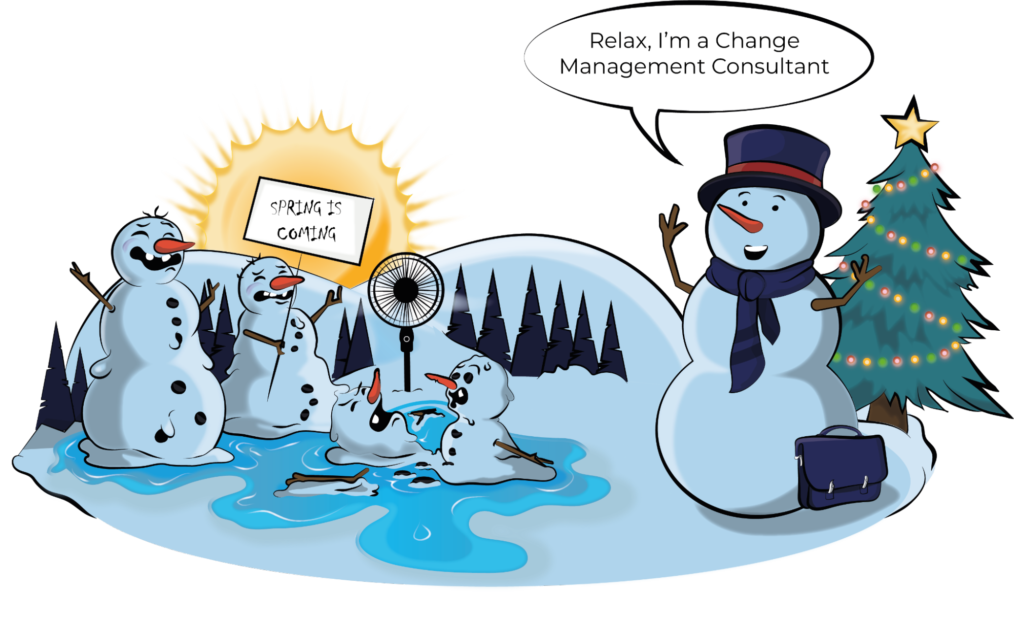 So before we fire up the amygdala and brace ourselves for the worst - let’s remember that there is some pretty cool stuff happening and be grateful for what we’ve got.
Some Good News
- HIV - Gilead Sciences’ experimental HIV prevention shot, lenacapavir, achieved a 96% reduction in HIV infections.
- Fusion power is making progress and this clean, safe and limitless energy source might happen in my lifetime!
- Cabo Verde was certified malaria-free and Ghana is on its way to eliminate the disease.
- The Iberian Lynx is no longer critically endangered.
- The Artemis III mission is on track to get a human foothold on the moon.
- We finally know why Conan the Bacterium can withstand massive amounts of radiation
Gratitude
Here at Kromatic, we’re all profoundly grateful to still be in business going on 12 years! (Longest I’ve ever stayed in one place.) At our best count, we’ve partnered with over 63 multinational corporations, 42 startup accelerators, 14 government agencies, 16 non-profits, and countless startups. Together, we’ve helped launch initiatives that touch lives—from predicting the impact of sustainability programs to guiding innovation boards (like the Ice Cream Innovation Board, which was as cool as it sounds). More importantly. I’m grateful that our team still supports each other through trials and tribulations, can take a mental health day when needed, and still builds cool products. This year alone we have finished three training simulations to help:
- Adopt a data-driven decision making: Startup Poker
- Calculate the impact of innovation: Innovation Accounting (a.k.a. Food Truck!)
- Estimate risks and uncertainty: Calibration Training
These tools help both startups and corporate innovators get into the right mindset and build the right skills to succeed. We also recorded over sixteen hours of new training material on topics ranging from running effective pre-mortems to identifying the right metrics to measure innovation projects.
What’s Next?
Next year, in January, I’m looking forward to launching our new coaching platform (custom built for a client) into a public beta for general use. This coaching platform is designed to give innovation leaders and teams what they need most: clarity and support. Whether you’re defining strategy, navigating stakeholder buy-in, or balancing risk, the platform offers tools, frameworks, and personalized guidance to drive measurable success. I’m also just looking forward to talking to people. Between pandemic lockdowns, arguing with ChatGPT, and just generally being introverted - I haven’t been out and about as much as I used to. That’s something I’m eager to change. Innovation can’t just be technology for technology’s sake. Innovation has to serve people or it’s not innovation. So while I don’t know what 2025 will bring in terms of unexpected disruption - I do know that our team here will remain focused on the thing that matters most - people. That’s an open invite to you!
Talk to Us About Innovation that Matters
If you’re working on an innovation project yourself or supporting innovation projects - we’d like to hear from you. Whether you’re leading an innovation team, shifting your organization’s mindset, using AI to fast-track growth, or balancing a portfolio against disruption, we’d love to connect. Please sign up for our free office hours for startups or a discovery call with our training and platform team and we’ll trade stories. Looking forward to 2025! Best wishes, Tristan and the Kromatic Team
Frequently Asked Questions
How are innovation teams dealing with constant disruption in 2025?
Innovation teams are under relentless pressure to demonstrate ROI while navigating political mood swings and technological upheavals. As product managers, we need to stay focused on what matters most—people. Tools for data-driven decision making, innovation accounting, and calibration training can help teams build the right mindset and skills to succeed amidst continuous disruption.
What training tools help corporate innovators adopt a data-driven mindset?
Kromatic released three training simulations in 2024: Startup Poker (for data-driven decision making), Innovation Accounting/Food Truck (for calculating innovation impact), and Calibration Training (for estimating risks and uncertainty). These tools are designed to help both startups and corporate innovation teams develop the skills needed to navigate uncertainty effectively.
Why is human connection still important for innovation in the age of AI?
Innovation has to serve people or it’s not truly innovation. Technology for technology’s sake isn’t enough. As we navigate an era of AI-driven growth and continuous disruption, connecting with real people—stakeholders, customers, team members—remains essential. Building relationships and trading stories helps us ground our innovation work in what actually matters.
What does a coaching platform for innovation leaders do?
Kromatic is launching a coaching platform into public beta in January 2025, originally custom-built for a client. It’s designed to give innovation leaders and teams clarity and support—whether they’re defining strategy, navigating stakeholder buy-in, or balancing risk—through tools, frameworks, and personalized guidance aimed at driving measurable success.
How do you measure the impact of innovation projects?
Measuring innovation impact requires specific frameworks beyond traditional business metrics. Tools like Kromatic’s Innovation Accounting simulation help teams learn to calculate the real impact of innovation efforts, while approaches like innovation boards provide structured ways to evaluate and guide innovation portfolios. We need calibrated estimation skills and data-driven decision making to properly assess progress.

Comments
Loading comments…
Leave a comment