
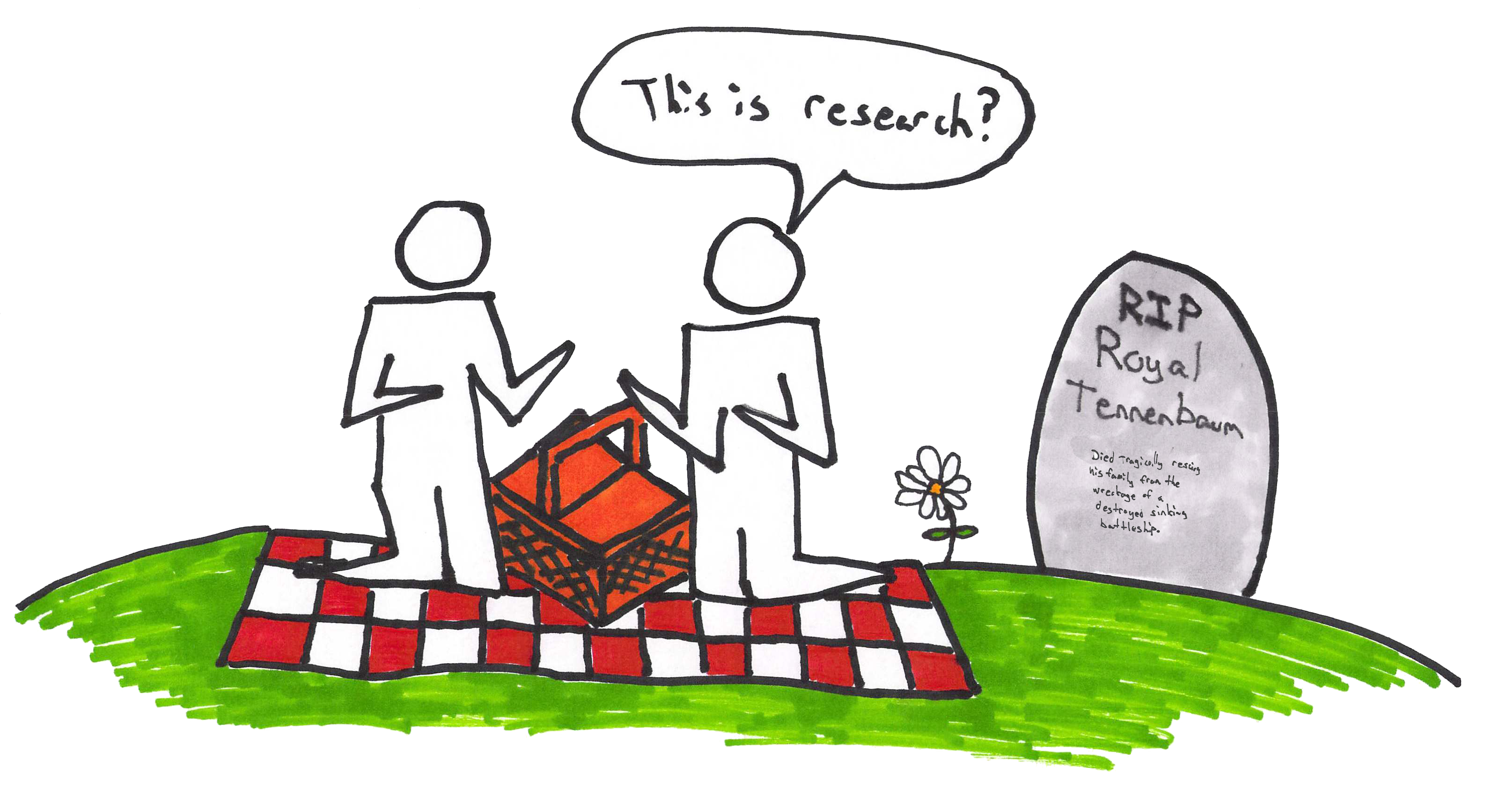
Generative Research: The Picnic in the Graveyard Technique
Your startup idea isn't unique. That's actually great news.
 By Tristan Kromer ·
 Generative Research- What features should we build? What’s the feature set for our MVP? There are a lot of questions we need to answer before we write a single line of code. This isn’t about testing a hypothesis, this is about generating ideas. I’ve mentioned the difference between Generative Research and Evaluative Testing in lean startup before. If we know our goal is to generate ideas, there a variety of methods you can use in the Real Startup Book. One of my favorite generative research techniques was told to me by Sean K. Murphy and covered in his post on pretotyping: Picnic in the Graveyard If you’d like to download the whole thing, you can do so here: Download
Not a Genius
To start with the Picnic, we have to stop thinking of ourselves as geniuses. If we have the hubris to think our idea is new, unique, and brilliant, we might be right. But just remember Isaac Newton. 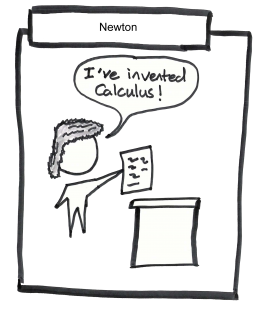 Isaac was a genius. Among other great ideas like the Theory of Gravity he invented calculus. He’s not the only one.
 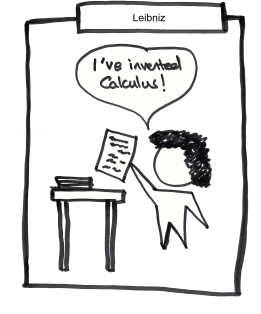 Calculus was also independently invented by Gottfried Wilhelm von Leibniz. Another very smart guy. If even two geniuses couldn’t come up with a unique idea, can we believe that out of the billions of people on this planet, we’re the only ones who thought of our startup concept? We can search for the last ten startups to try our idea. We can learn from them.
The Picnic (Generative Research)
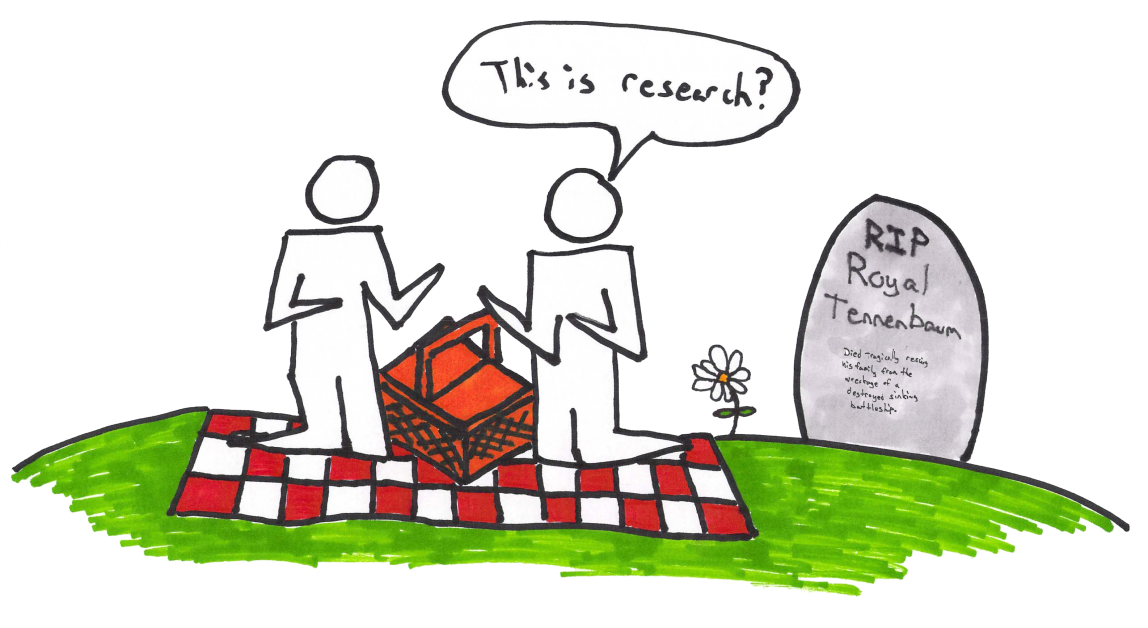 Sean K. Murphy describes it simply:
Quick Answer: Generative research helps us figure out what to build before we test anything. One powerful technique is “Picnic in the Graveyard” — researching startups that previously tried our idea and failed. We explore their products for feature patterns, talk to their former customers, and even call the founders for lessons learned. Since our idea almost certainly isn’t unique, we can learn from predecessors’ near-misses rather than starting from scratch.
Do research on what’s been tried and failed. Many near misses have two out of three values in a feature set combination correct (some just have too many features and it’s less a matter of changing features than deleting a few). If you are going to introduce something that’s “been tried before” be clear in your own mind of what’s different about it and why it will make a difference to your customer.
All we need to do for this lean startup research technique is to find those who have gone before us. We can:
- Explore the products - If they are still on-line, we can look at their features to see if there are any patterns.
- Talk to the customers - What did they like? What did they not?
- Call the founders - Many are very friendly - They may have tips about what worked and what didn’t!
Note: If you’re looking for some guidance on how to design lean experiments, download our Learn SMART Experiment Template.
Rules of Thumb
- Our idea is not unique
- Get help from other founders when you can
If you’re interested in reading the entire Real Book, you can download it here: Download
Frequently Asked Questions
What is generative research in lean startup?
Generative research is the process of generating new ideas before testing them — it’s distinct from evaluative testing, which validates a hypothesis. As product managers, we use generative research to answer questions like “What features should we build?” or “What’s the right feature set for our MVP?” before writing any code.
What is the “Picnic in the Graveyard” research technique?
Picnic in the Graveyard is a generative research method where we study startups that previously tried our idea and failed. We explore their products for feature patterns, talk to their former customers about likes and dislikes, and even call the founders for tips on what worked and what didn’t. Many near misses had most of the right elements — we can learn from their mistakes.
Why should I assume my startup idea isn’t unique?
Even Isaac Newton independently co-invented calculus alongside Leibniz — two geniuses arrived at the same idea separately. Out of billions of people, it’s almost certain someone else has tried our concept before. Accepting this isn’t discouraging; it’s empowering because we can find those predecessors and learn from their successes and failures.
How do I actually do generative research on failed startups?
We can search for the last ten startups that tried our idea and study them three ways: explore their products (many are still online) to spot feature patterns, talk to their former customers about what they liked and didn’t, and contact the founders directly. Many former founders are surprisingly friendly and willing to share what worked and what went wrong.
What’s the difference between generative research and evaluative testing?
Generative research is about discovering ideas and possibilities — figuring out what to build. Evaluative testing comes later, when we have a specific hypothesis to validate. As product managers, we need to be clear about which mode we’re in, because the methods and goals are fundamentally different.

Comments
Loading comments…
Leave a comment