
Innovation Board Strategy: Why Disagreement Beats Consensus
If everyone agrees, your moonshot isn't risky enough.
 By Tristan Kromer · · 4 min read
 Quick Answer: An innovation board should not seek consensus on disruptive projects — if everyone agrees, the idea probably isn’t risky enough to be truly innovative. Instead, members should disagree openly to surface risks, then commit fully once a decision is made. Dissenters must clearly define what evidence would change their mind, giving the innovation team a concrete roadmap. Since funding is incremental and small, the cost of backing a controversial bet is minimal — making prolonged debates counterproductive.
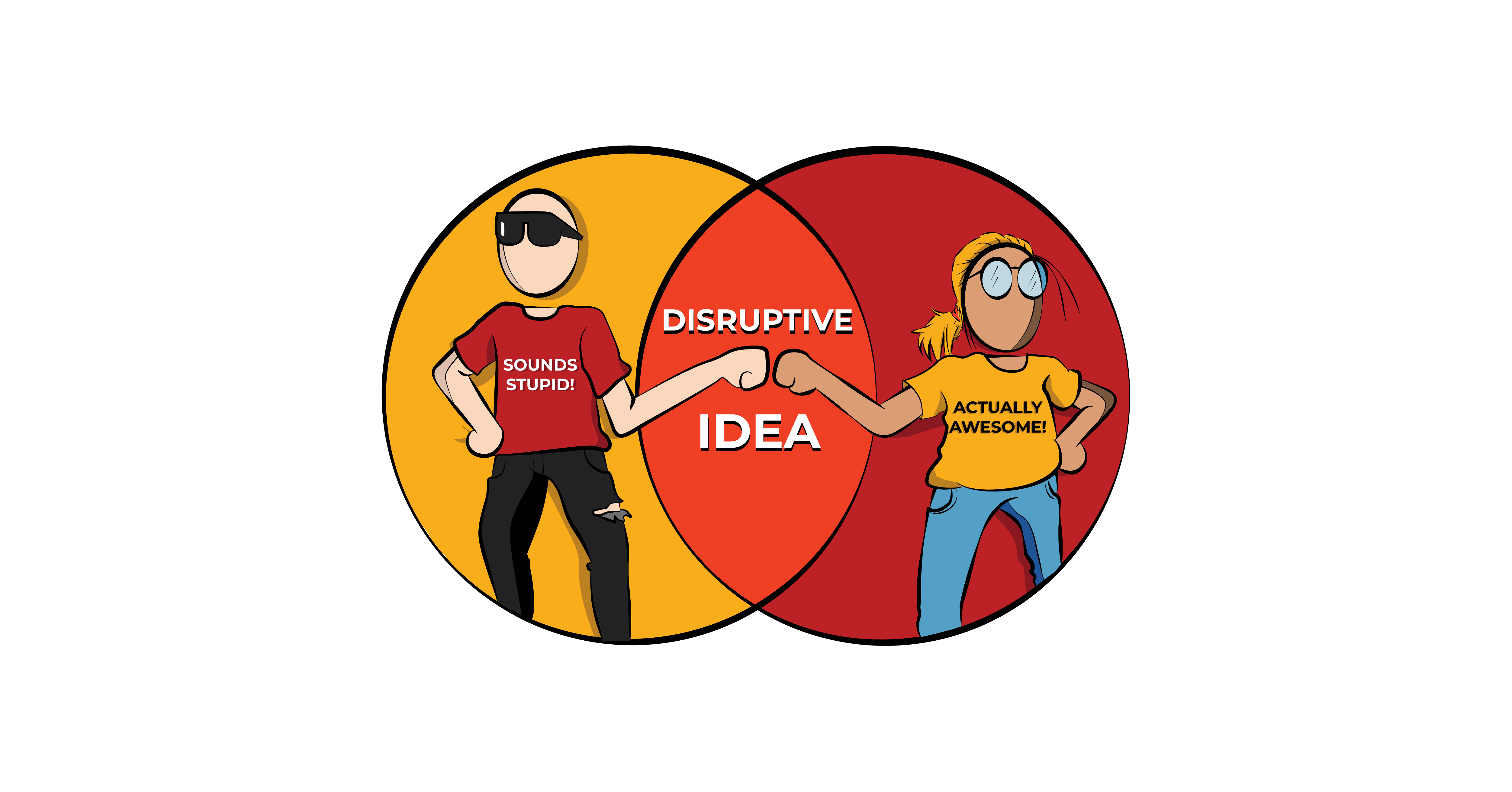
Innovation board members should not be driven by consensus — at least not when it comes to truly disruptive innovation. If everyone agrees and the decision is obvious, it’s probably not very risky, and thus not very innovative.  Consensus-driven decisions might be good for incremental innovation in the core business, but it should never happen for the moonshot ideas. Disruption is not supposed to be obvious. The best disruptive ideas usually sound stupid at first, only realized as brilliant (and perhaps inevitable) after they pan out. Long ago, as part of Dogpatch Labs in San Francisco, I heard a pitch from one of my fellow entrepreneurs about a photo-taking app that blah blah blah blah blah. I stopped paying attention after he said photos because I have zero interest in photography, and only take photos when forced to at family gatherings.
  The entrepreneur was Kevin Systrom, who was talking about his absurdly successful startup Instagram. Since then, I’ve tried to be more humble about judging a business idea according to my own biases. Bringing an innovation project in front of a group of diverse executives from different disciplines is a great way to identify risks that the innovation team itself may not see. A second, third, and fourth set of eyes to point out risks is part of the huge value that the innovation board brings. So it should be expected that at least one board member thinks any given idea is a little bit crazy, dumb, or simply naive.
An Innovation Board Should Disagree but Commit
Of course, once the decision is made, everyone needs to get behind the decision and support the team, regardless of how strong the objection may have been. This is critical for the project to have any chance of success. If one board member allows their objection to sabotage a team by withholding support or resources, they are doing damage to the organization overall. It demoralizes the team and wastes resources.  Remember, innovation teams get just enough funding to eliminate the next set of risks. If an objection is raised and that objection represents a risk, then the job of the innovation team is to bring back the data that shows the risk has been overcome. So the risk of wasting resources by going along with the group decision is typically very small. It’s only a few months of effort at most, not a ten-year commitment to launch a new product. And the riskier the project, the smaller the investment amount. Teams must prove that the project risks have been eliminated to get additional funding. So it’s typically not worth holding up a decision to have a furious go / no go debate. Instead, just make it clear what sort of data would overcome the objection. Agree to disagree, and move forward with the next steps.
Dissenters on an Innovation Board Should Define the Project’s Success Criteria
It is up to the objector to clearly define the data that would convince them they are wrong. If the objector cannot clearly state why they don’t believe the project will succeed and what information would change their mind, it’s not a real objection. Innovation board members are entitled to point out risks, and they are entitled to change their mind based on evidence. Innovation board members are not entitled to their own opinion that ignores evidence. Being a steadfast leader with a clear vision for the future is not the same thing as being obstinate. Based on the criteria that the objector gives, the innovation team now has a clear roadmap for getting additional funding. If the team nullifies the risk, they receive further funding. If the team cannot get the right data, the project dies by default. In either case, the innovation board is following the right path by identifying risks, evaluating evidence, and then reaching a clear decision — whether everyone agrees with it or not.
Lessons Learned
- Don’t govern by consensus.
- Objecting to popular opinion is a valuable element of team-based risk analysis.
- Define success criteria to give the innovation team a clear direction.
Need to spot coming disruption?
Try our Innovation Strategy Workshop
Frequently Asked Questions
What is an innovation board and why shouldn’t it rely on consensus?
An innovation board is a group of diverse executives from different disciplines who evaluate and fund innovation projects. As product managers, we should understand that consensus-driven decisions work for incremental improvements but not for disruptive innovation. If everyone agrees an idea is great, it’s probably not very risky — and therefore not very innovative. The best disruptive ideas usually sound stupid at first.
How should an innovation board handle disagreements about projects?
Innovation board members should follow a “disagree but commit” approach. Once the board makes a decision to move forward, every member — including dissenters — must fully support the team with resources and commitment. Withholding support to sabotage a project you disagreed with demoralizes the team and wastes organizational resources, even if you believe the idea won’t work.
What should innovation board members do when they object to a project?
Dissenters should clearly define what data or evidence would change their mind. If a board member can’t articulate why they believe the project will fail and what information would convince them otherwise, it’s not a real objection. This approach gives the innovation team a clear roadmap — they know exactly what risks to address to earn additional funding.
Why is limited funding important for managing risky innovation projects?
Innovation teams receive just enough funding to eliminate the next set of risks, not a ten-year commitment. The riskier the project, the smaller the initial investment. This means the cost of going along with a group decision you disagree with is typically very small — a few months of effort at most. Teams must prove risks are eliminated before receiving additional funding, so projects that can’t deliver the right data die by default.
How do personal biases affect innovation board decisions?
We all carry biases that can cause us to dismiss great ideas prematurely. The article’s author ignored Kevin Systrom’s pitch for Instagram simply because he had no personal interest in photography. Having diverse executives on an innovation board helps counteract individual biases by bringing multiple perspectives to risk identification — but each member must stay open to evidence rather than clinging to opinions.

Comments
Loading comments…
Leave a comment