
Why Corporate Innovation Fails: A Satirical 33-Step Guide
The one-size-fits-all playbook that definitely works every time.
 By Tristan Kromer ·
 Quick Answer: There is no one-size-fits-all step-by-step process for corporate innovation. As product managers, we need to recognize that superficial changes — renaming programs, adopting buzzwords, running hackathons, or hiring and firing consultants — won’t drive real results. Sustainable corporate innovation requires genuine executive commitment, adequate funding, empowered teams with real bandwidth, and an approach adapted to your organization’s unique context rather than a prescriptive playbook.
When it comes to something as predictable as innovation (especially corporate innovation!), we already have the knowledge to craft a one-size-fits-all solution for every company to use. Trust us, it works. We locked ourselves in a room and wrote this 32 step list for you to implement at your organization. Follow these steps, and all you have to do next is figure out how to spend that fat bonus check that is sure to follow. 
-
Start an accelerator.
-
Do a “find-and-replace” for the word “strategy” and replace it with “innovation thesis.”

-
Anytime anyone on your team uses the word prototype, correct them with “MVP.”
-
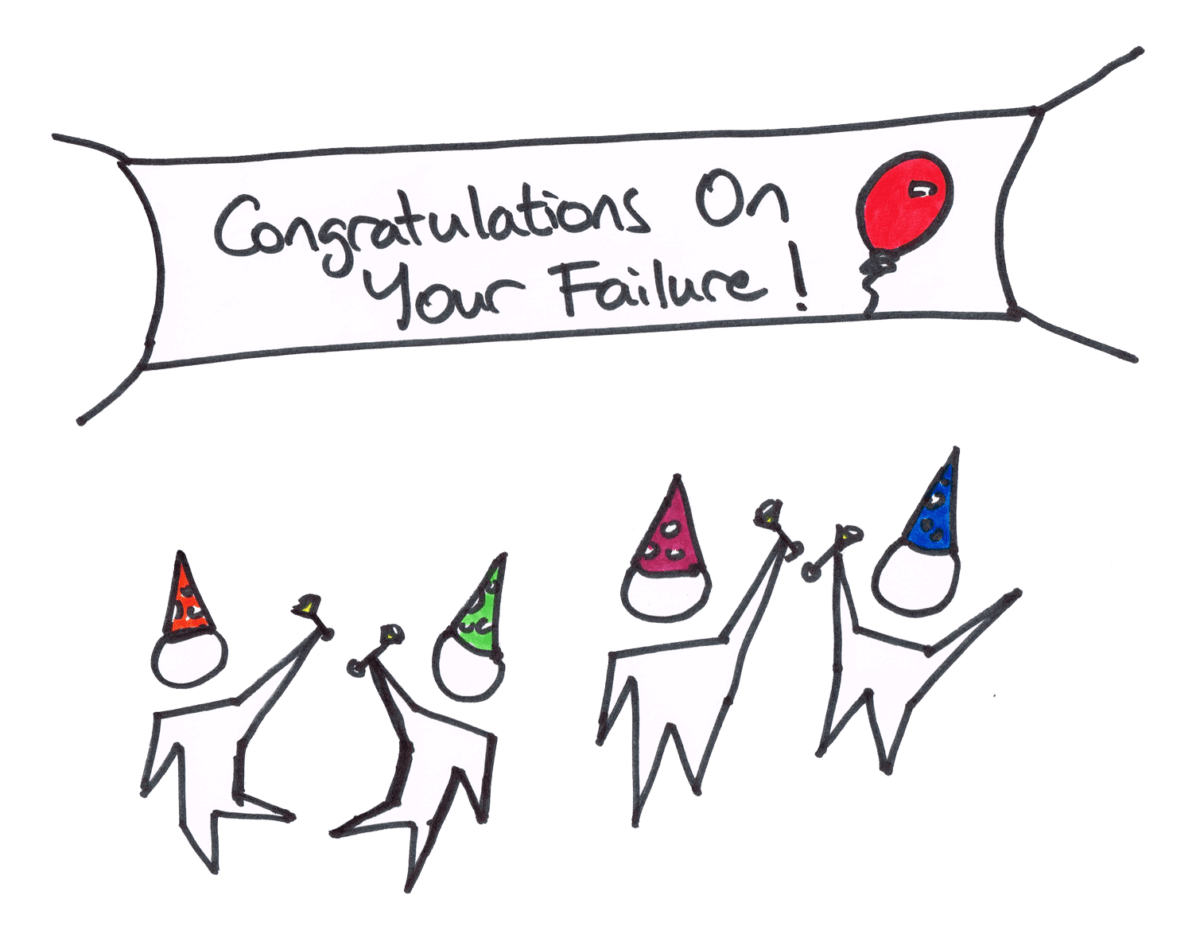
Have the CEO talk about failure without actually admitting failure.
-
Create a stage gate corporate innovation process for the accelerator, but call it “metered funding.”
-
Rename the accelerator into an incubator.
-
Have the CEO talk about failure without actually admitting failure.
-
Hire a consultant. And while you’re at it, hire another one.
-
Hire a Vice President of Innovation to oversee the incubator, but under no circumstances hire a President of corporate Innovation.
-
Drop the phrase “Innovation Ecosystem” into random sentences. E.g. “The coffee makes for a great innovation ecosystem.”
-
Fire the consultant. And while you’re at it, fire the other one too.
-
Rename the incubator an Idea Lab.

-
Underfund the Idea Lab. It increases creative pressure.
-
Refuse to continue funding products from the Idea Lab because they don’t align to strategy. When asked what the strategy is, create a distraction and run.
-
Now that the Idea Lab is up and running, create an Innovation Ecosystem consisting of two high potential employees and an intern.
-
Run a hackathon - no wait…make it an idea jam.
-
Change the floor plan in your office from cubicles to an open layout.
-
Assign all innovation team members to a minimum of 6 business-as-usual projects because “innovation is everyone’s job.”
-
Buy a lot of LEGOs.
-

-
Organize a safari to Silicon Valley. Wear hats and bring sunscreen.
-
Create a canvas. Insist that it is better than the Business Model Canvas.
-
Hire a different consultant.

-
Test all ideas in one week with a design sprint. Don’t allow any extensions. After all, Rome wasn’t built in a day, but but they probably could’ve done it in a week if they tried harder.
-
Go back to using the Business Model Canvas.
-
Train innovation catalysts, but give them no projects to work on.
-

-
And lastly, hire McKinsey. No one ever got fired for hiring McKinsey.
Lessons Learned
- There are no lessons learned on April Fool’s Day.
- There is no one true step by step process for innovation.
Thanks to contributions from Tendayi Viki and Nick Noreña on this post.
Frequently Asked Questions
Is there a one-size-fits-all process for corporate innovation?
No — and that’s the whole point. There is no single step-by-step process that guarantees innovation success at every company. As product managers, we need to resist the temptation to follow prescriptive playbooks and instead adapt our approach to our organization’s unique context, culture, and strategic goals.
Why do so many corporate innovation programs fail?
Many corporate innovation efforts fail because organizations focus on superficial changes — renaming programs, adopting trendy buzzwords, running hackathons, or reorganizing office layouts — without addressing the underlying strategic and cultural challenges. Underfunding teams, assigning innovation members to too many business-as-usual projects, and lacking clear strategy alignment are common pitfalls that doom these programs.
Does renaming your innovation program actually help?
No. Cycling through labels like “accelerator,” “incubator,” and “Idea Lab” without changing the underlying approach is a common corporate innovation anti-pattern. The name matters far less than having genuine executive commitment, adequate funding, a clear innovation thesis, and teams with the bandwidth to actually do the work.
Should we hire consultants to drive our corporate innovation strategy?
Consultants can play a role, but hiring and firing them repeatedly without internal commitment won’t produce results. As we’ve seen in many organizations, sustainable corporate innovation requires building internal capabilities — trained innovation catalysts with real projects, empowered teams, and leadership willing to genuinely embrace experimentation and failure.
Why is talking about failure not enough for innovation culture?
Executives who publicly celebrate failure without admitting their own create a credibility gap that undermines innovation culture. Teams need to see authentic vulnerability and real examples of learned-from failures, not just slogans. Without genuine psychological safety, employees won’t take the risks that meaningful innovation requires.


Comments
Loading comments…
Leave a comment