
Minimum Viable Experience: Why User Experience Is Not a Feature
Stop lecturing frustrated users about lean startup methodology.
 By Tristan Kromer ·
 Minimum viable experience- Is anyone else out there sick of signing up for on-line products that don’t do what they promised? Or more commonly, products that don’t actually do anything? Seems like every day I’m running into another landing page which requires access to all my social networks, yet provides no actual value.
Quick Answer: “It’s only an MVP” is never an excuse for bad user experience. As product managers, we need to build a minimum viable experience, not just a minimum viable product — because UX isn’t a feature on your roadmap, it’s the sum of every emotion a user feels across every interaction, from first hearing about you to customer support. Even with limited features, we can delight users by listening to complaints as customer development opportunities and responding quickly, rather than lecturing frustrated customers about lean startup methodology.
Minimum Viable Product
I am a huge fan of creating Minimum Viable Products (MVPs) in order to test business ideas. I advocate it on a daily basis because too many people build too many products that no one is really interested in using. A minimum viable product is a great way to test customer interest in your solution and figure out the minimum feature set that you can build a business around. However, even if you’re running a basic smoke test just to see if anyone will sign up for your business idea,
What is User Experience?
Wikipedia gives us this definition:
User experience (UX) is the way a person feels about using a product, system or service. User experience highlights the experiential, affective, meaningful and valuable aspects of human-computer interaction and product ownership, but it also includes a person’s perceptions of the practical aspects such as utility, ease of use and efficiency of the system.
I’ll be contrarian and give a functional definition:
User Experience is sum of all the feelings or emotions caused by every interaction a user has with your product or service including but not limited to usage, branding, advertising, and customer support.
User Experience is not a feature of a product, it is the product that the users actually perceive.
What is not User Experience?
That is a feature on our roadmap that will be implemented shortly. We wanted to get the user experience nailed first, as well as the ability to rollback to various versions of contacts in mass before we add that feature.
(Note: That’s a real quote from a real founder I received after asking why an app that claimed to sync my social data with my iPhone address book didn’t actually have any way to do that except for going through each of my over 3000 contacts individually, pressing a button, waiting for it to sync, and then hitting save.) You can’t “get the user experience nailed first” as if it’s some separate thing that you add to your app. It isn’t the color of your icon. It’s not where a button is located. It’s not the viral coefficient of your landing page. It is the whole package of how a user is affected (I mean this in the emotive psychological sense of the word) by your application or product. The user experience starts with the first time a user hears about the product even if that’s a search result, a press article, or a google ad. Some parts of the user experience you can control, some you can’t. Like if the user was in a bad mood or was being chased by ravenous wolves while trying your app. In the case of an MVP such as a smoke test where there really isn’t much of a product, the user experience will be 99% customer support. So guess what? You can control almost all of it.
What is a bad User Experience?
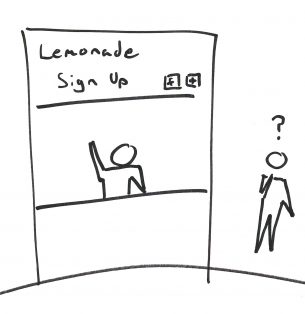 If I sign up for an app via a smoke test and the app asks me to invite three of my friends just so I can receive a robotic “coming soon” email, that’s a bad user experience. (At least for me.) I feel ripped off and taken advantage of. If I have a problem with an app and I can’t find the customer support button, that’s a bad user experience. I feel like the founders don’t care. Even if the app is free. Worse yet, if I take the time to contact customer support and tell them that the app isn’t doing what it promised, and the founder then starts explaining lean startup methodology to me, that’s a bad user experience.
Create Trust
I recently had an app owner (the same one as above) try to explain his non-functional app by saying,
You are using version 1.0.1 of the app, it’s been in the market place for 3 weeks.
Users don’t care if it’s a minimum viable product or how long it’s been in the market. They care if it works. If the app doesn’t work, users need to believe that the experience is going to improve promptly. What will make them believe that? Not this:
We literally have 100’s of features identified that will drastically improve the user experience over time.
That’s great. But I’m only interested in one feature. The missing one I was complaining about. When is that feature coming?
Customer Support is Customer Development
If you release an MVP and someone takes the time to complain, you have in front of you a self identified customer who has exactly the pain point your app promises to solve. That’s a fantastic opportunity to talk to them about their work flow, why they are having the issue, why your app isn’t solving the issue, etc. Does anyone really think the average user knows what a lean startup is? Does anyone really think they care? They won’t be impressed by using words like “iterate” in your customer support response.
Delight the Customer
There is no better case study for a Minimum Viable Product than Pocket God. The founders delivered weekly iterations on their product incorporating early customer feedback into the game until a couple months later they were selling 18,000 copies a day at $0.99 each. I won’t recount their whole story, but you care read it here. The short version is that when their customers complained the game was boring, they listened and fixed it. Dave Castelnuevo said,
I found that if I responded to what they wanted quickly, they would fall in love with us.
Minimum Viable Experience
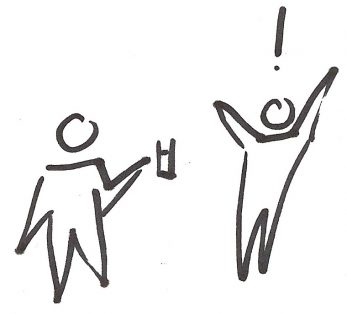 So instead of building a Minimum Viable Product, please create a Minimum Viable Experience. If you don’t have every feature, listen to your users and work with them to solve their problems or delight them to create minimum viable experience. Don’t forget it.
Frequently Asked Questions
What is a minimum viable experience and how is it different from an MVP?
A minimum viable experience goes beyond just building a minimum viable product by ensuring that every interaction a user has with your product — from first hearing about it to customer support — creates a positive emotional response. As product managers, we need to remember that even with limited features, we can still deliver an experience that builds trust and doesn’t leave users feeling ripped off.
Why is “it’s only an MVP” a bad excuse for poor user experience?
Users don’t care about your development methodology or how long your product has been in the market. They care whether it works as promised. Explaining lean startup concepts to a frustrated customer is itself a bad user experience. Instead of justifying missing functionality, we should listen to complaints, acknowledge the gap, and work with users to solve their specific problems promptly.
Is user experience a feature you can add to your product later?
No — user experience is not a feature on a roadmap. It’s the sum of all feelings and emotions caused by every interaction a user has with your product, including branding, advertising, usage, and customer support. You can’t “nail the user experience first” and then add functionality. The experience is the product as users perceive it, and it starts from the very first touchpoint.
How should startups handle customer complaints about an MVP?
When someone takes the time to complain about your MVP, treat it as a customer development opportunity, not a support ticket. That person is a self-identified customer with exactly the pain point your product promises to solve. As product managers, we should talk to them about their workflow and why the app isn’t meeting their needs — not lecture them about iteration or share that we have “hundreds of features” planned.
What’s a good example of minimum viable experience done right?
Pocket God is an excellent case study. The founders delivered weekly iterations incorporating early customer feedback. When users complained the game was boring, they listened and fixed it quickly. As co-founder Dave Castelnuovo noted, responding to what customers wanted quickly made them “fall in love with us” — eventually driving 18,000 copies sold per day at $0.99 each.

Comments
Loading comments…
Leave a comment