
Earlyvangelist Criteria: Why It Applies to Customers and Users
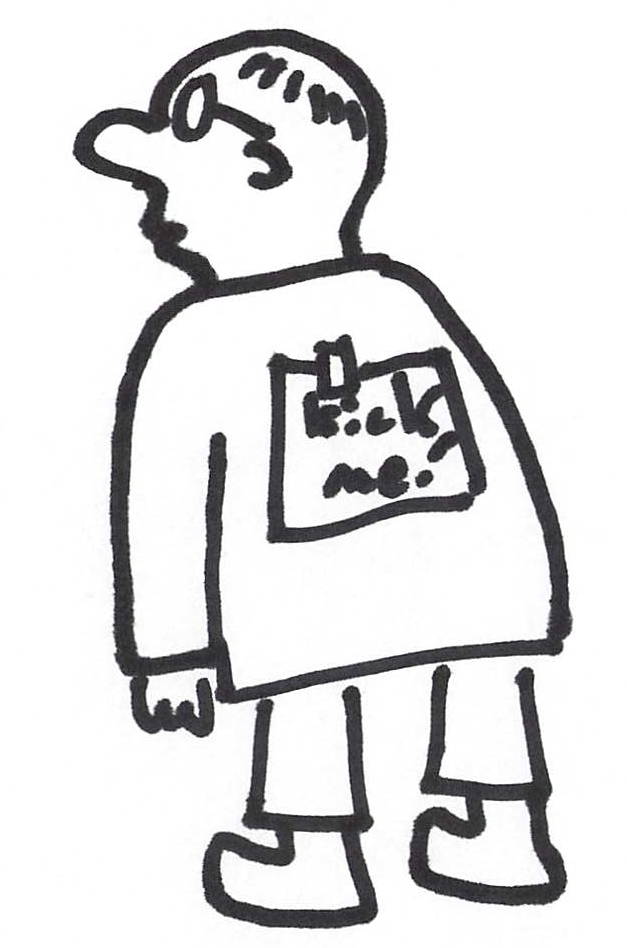
Everyone needs a kick in the ass. Few want one, and fewer will pay.
 By Tristan Kromer ·
 (Earlyvangelist Criteria- This is part of a series of posts about testing product/market fit. You can download the Product/Market Fit Storyboard here.) Back to the basics. “Everyone” is not our customer. Neither are “Consumers” or “SMBs.”  Even then, not everyone wants our Grim-Reaper-Be-Gone!™ Spray. Some people just want to check out this of this madhouse. (In case you were thinking it, taxes aren’t a problem for everyone either.) But let’s say our product solves a pain worse than death & taxes and everyone will want it. Even then, we have to start with the early adopters or earlyvangelist as Steve Blank defines them:
- They have a problem.
- They understand they have a problem.
- They are actively searching for a solution and has a timetable for finding it.
- The problem is painful enough that they have cobbled together an interim solution.
- They have, or can quickly acquire, dollars to purchase the product to solve their problem.
I’ll amend the last point.
- They have, or can quickly acquire dollars or time to invest in a product to solve their problem.
(I add time as a form of payment because in some business models we’re asking end users to pay us with their attention and/or data. Monetization is done via sale of data or attention span.) The earlyvangelist criteria applies to Customers and Users.
”But they don’t know they have a problem!”
 William Pietri explains this elegantly:
Quick Answer: An earlyvangelist — Steve Blank’s term for the ideal early adopter — is someone who has a problem, knows it, is actively searching for a solution, has cobbled together a workaround, and has money or time to invest in fixing it. As product managers, we must target these people first, not “everyone.” If our customers aren’t actively looking for a solution, we’d need Super Bowl–sized budgets just to reach them. Start by identifying observable behaviors — where they search, what workarounds they’ve built — before testing product/market fit.
We all know plenty of people who need a kick in the ass. But few people want one, and even fewer will pay.
Sure, maybe we think there are people who don’t know they need to quit smoking and eat a salad. So what? Wouldn’t it be easier to start by selling to the people who actively want to quit and actively request help with their nutrition? How will you even advertise to people who aren’t looking for a solution? What keyword do people not searching for help to quit smoking use? You would have to educate the market with non-targeted advertising. Do you have the money for a Superbowl ad?
Fixing the Customer Persona
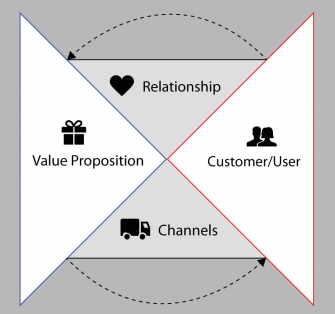 If you’re following along with the Product/Market Fit Storyboard, it’s time to adjust your persona. Again, make sure your persona has an observable behaviors and a causal relationship. The behaviors should indicate that the customer is an early adopter because they customer is actively looking for a solution.
- Where are they looking for solution? Asking friends? Asking on Quora? Reading blogs?
- Which of their behaviors indicates they are putting together a makeshift solutions?
- What behaviors tell you they have a budget?
If you can’t answer theses questions, you’re not ready to test Product / Market Fit. It’s time to start talking to customers. (To be continued…)
Frequently Asked Questions
What is an earlyvangelist and why does it matter for product/market fit?
An earlyvangelist, a term coined by Steve Blank, is an early adopter who has a problem, knows they have it, is actively searching for a solution, has cobbled together an interim fix, and has the resources (money or time) to invest in solving it. As product managers, we need to target earlyvangelists first because they’re the customers most likely to engage with and pay for our solution.
Why shouldn’t we define our target customer as “everyone”?
“Everyone” is not a useful customer definition because even if a problem is universal, not everyone recognizes it, actively seeks a solution, or is willing to pay. As William Pietri puts it, plenty of people need a kick in the ass, but few want one, and even fewer will pay. We need to start with people who are actively looking for help — otherwise, we’d need a Super Bowl–sized budget just to educate the market.
How do you identify earlyvangelist behaviors in a customer persona?
We should look for observable behaviors that indicate someone is actively seeking a solution: Are they asking friends for recommendations? Searching on Quora? Reading relevant blogs? We also want to identify signs they’ve built a makeshift workaround and that they have budget or time to invest. If we can’t answer these questions, we’re not ready to test product/market fit and need to start talking to customers.
Does the earlyvangelist criteria apply to free users, not just paying customers?
Yes, the earlyvangelist criteria applies to both customers and users. Even when users pay with their attention or data rather than money, they still need to invest time. So the criteria should include people who have or can quickly acquire dollars or time to invest in a product — because in many business models, monetization happens through the sale of data or attention.
What should I do if my target customers don’t know they have a problem?
We should pivot to targeting people who already know they have the problem and are actively seeking help. Trying to educate unaware customers requires untargeted, expensive advertising. As the article asks: what search keyword do people who aren’t looking for help use? It’s far easier — and cheaper — to start with earlyvangelists who are already searching for a solution, then expand from there.

Comments
Loading comments…
Leave a comment