
Business Model Canvas: A One-Page Cheat Sheet for All 9 Components
Because your business plan is just creative writing until you test it.
 By Tristan Kromer ·
 Quick Answer: The Business Model Canvas is a one-page framework with nine components—Value Proposition, Customer Segments, Channels, Customer Relationships, Key Resources, Key Activities, Key Partners, Revenue Streams, and Cost Structure—that lets us map out how a business creates and captures value. Critically, it’s not a static plan: each component represents an assumption to test with real customers. As Steve Blank warns, without that validation, your business plan is just creative writing.
Concept: Business Model Canvas Skill Goal: Be able to convey your business model on a single sheet of paper. ” Unless you have tested the assumptions in your business model first, outside the building, your business plan is just creative writing.” – Steve Blank
-
A business model canvas describes a high level overview of how a business captures or creates value.
-
A business model is not static, it is a set of assumptions that is tested and retested
-
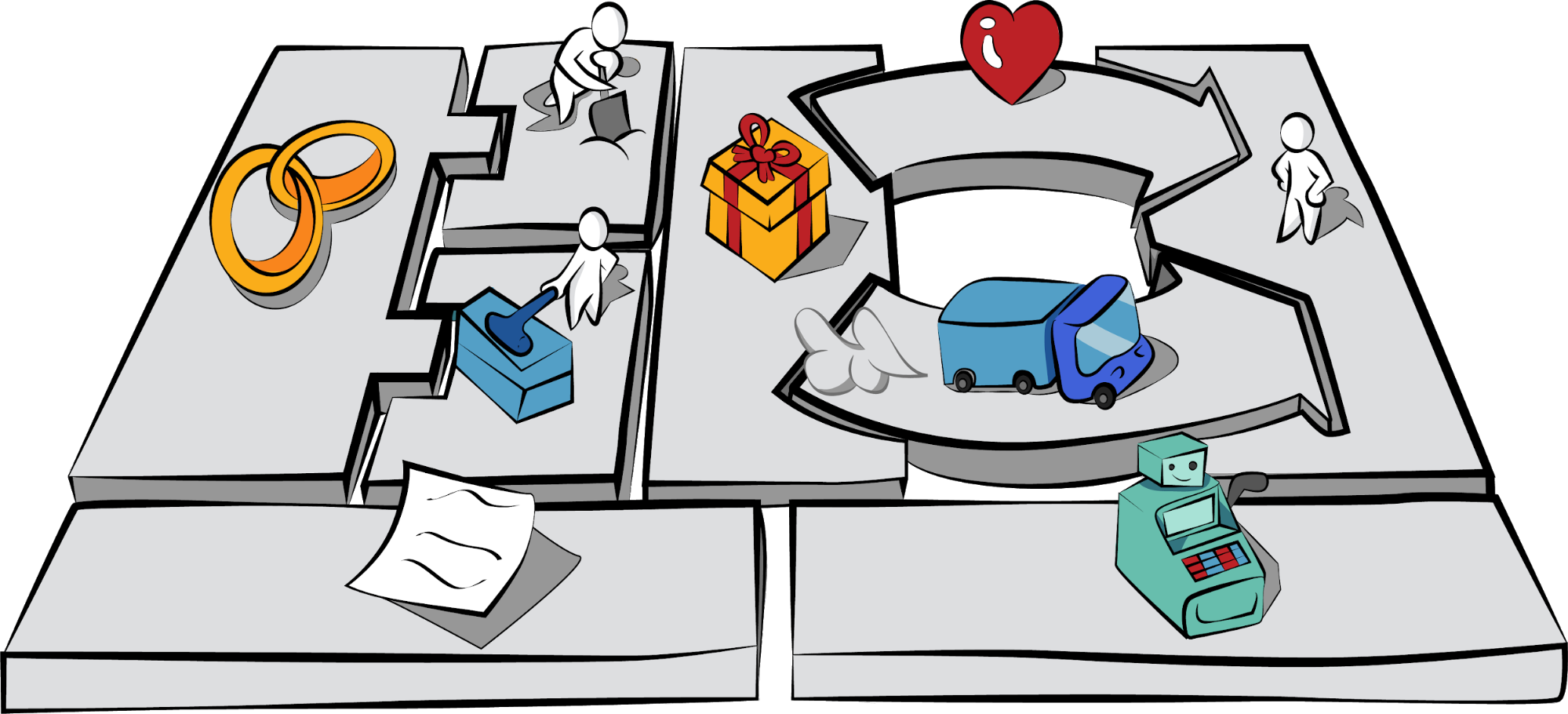
The Alexander Osterwalder Business Plan Canvas uses 9 components:
-
- Value Proposition - The benefits a customer receives from the solution;
- Customer Segments - The segment(s) of the market that has a demand for the solution;
- Channels - The methods used to acquire customers and distribute the solution;
- Customer Relationship - The ongoing interaction established with clients;
- Ex: Personal assistance, Dedicated personal assistance, Self-Service, Automated services, Communities, Co-creation
- Key Resources – Physical, financial, intellectual, or human resources needed to create the solution;
- Key Activities - The key activities necessary to implement the business model;
- E.g. Production, Problem Solving, Platform/network
- Key Partners - The key partners and their motivations to participate in the business model;
- Revenue Streams - The revenue streams generated by the business model (constituting the revenue model);
- Cost Structure - The cost structure resulting from the business model.
Additional readings: What is a business model? No Plan Survives First Contact With Customers – Business Plans versus Business Models What’s A Startup? First Principles.
Frequently Asked Questions
What is the Business Model Canvas and why should I use it?
The Business Model Canvas is a one-page framework developed by Alexander Osterwalder that describes how a business creates or captures value. It uses nine components—from value proposition to cost structure—to give a high-level overview of your business model. As product managers, we use it to communicate assumptions clearly and test them systematically rather than relying on lengthy business plans.
What are the 9 components of the Business Model Canvas?
The nine components are: Value Proposition, Customer Segments, Channels, Customer Relationships, Key Resources, Key Activities, Key Partners, Revenue Streams, and Cost Structure. Together, they cover everything from the benefits customers receive and how you reach them, to the resources you need and the costs you’ll incur. Each component represents an assumption to be tested.
How is a Business Model Canvas different from a business plan?
A business model canvas captures your key assumptions on a single page, designed to be tested and iterated quickly. A traditional business plan is a lengthy document that, as Steve Blank puts it, is “just creative writing” unless you’ve validated those assumptions outside the building. We should treat our business model as a living set of hypotheses, not a static document.
What types of customer relationships can you include on the canvas?
The Customer Relationships component covers how you interact with clients on an ongoing basis. Examples include personal assistance, dedicated personal assistance, self-service, automated services, communities, and co-creation. Choosing the right relationship type depends on your customer segments and directly impacts both your cost structure and revenue streams.
Why does the Business Model Canvas treat everything as assumptions?
Because a business model is not static—it’s a set of assumptions that must be tested and retested against real-world feedback. Especially for startups, no plan survives first contact with customers. By framing each of the nine components as hypotheses, we force ourselves to validate ideas outside the building before committing significant resources.

Comments
Loading comments…
Leave a comment