
How to Apply Lean Startup Principles to Your B2B Sales Process
Enter the market before you know who you're selling to. Seriously.
 By Tristan Kromer · · 8 min read
 B2B Startup Sales
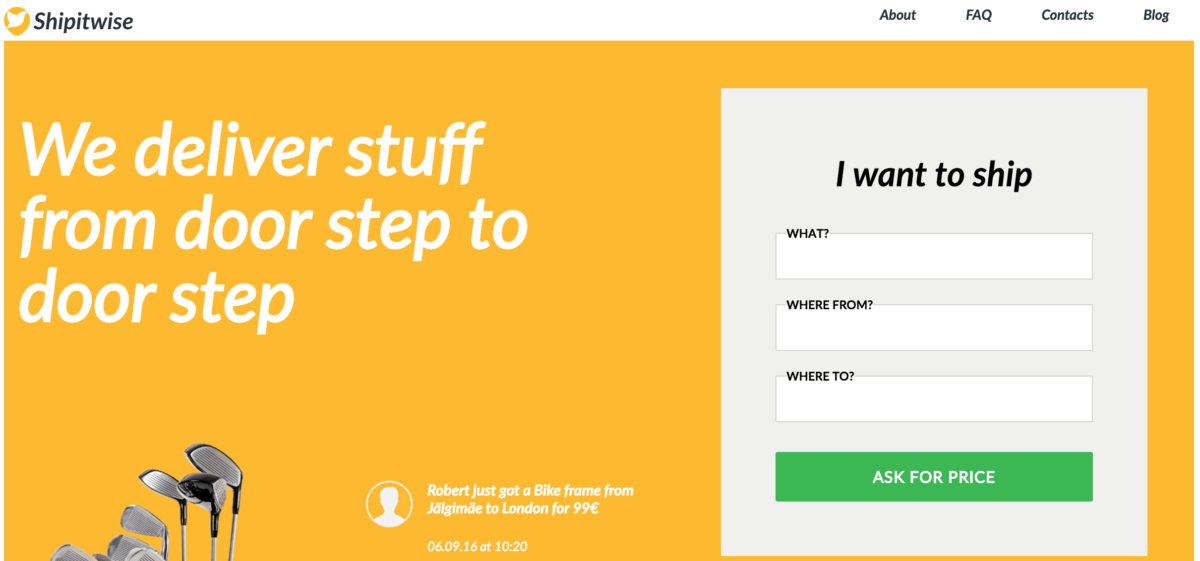
(Sander Gansen is the Chairman of the Board of Robotex, the world’s biggest robotics festival based in Talinn, Estonia, and was one of the founders of Shipitwise, where he is now an advisor to the company. He focuses on international growth via business development and online marketing and is also an active startup mentor in his spare time—whenever he is not travelling across all the continents.) There are plenty of educational resources out there if you’re looking to improve your startup sales process. They usually tell you to write and test various scripts or look at the process as a pure numbers game. But what is lacking in the guidance on B2B sales is good case studies to learn from. Of course there are excellent books, including Lean B2B by Etienne Garbugli. Yet most companies that practice Lean Startup methods don’t think B2B sales is relevant to lean principles. That’s why I’m revealing how we used Lean Startup for B2B sales in my last company, Shipitwise, a company that facilitates easy and transparent international shipping for businesses and individuals. Our main strategy was to enter the market before knowing precisely who we’d be selling to. This saved hours of pointless debate and allowed us to get to work immediately. 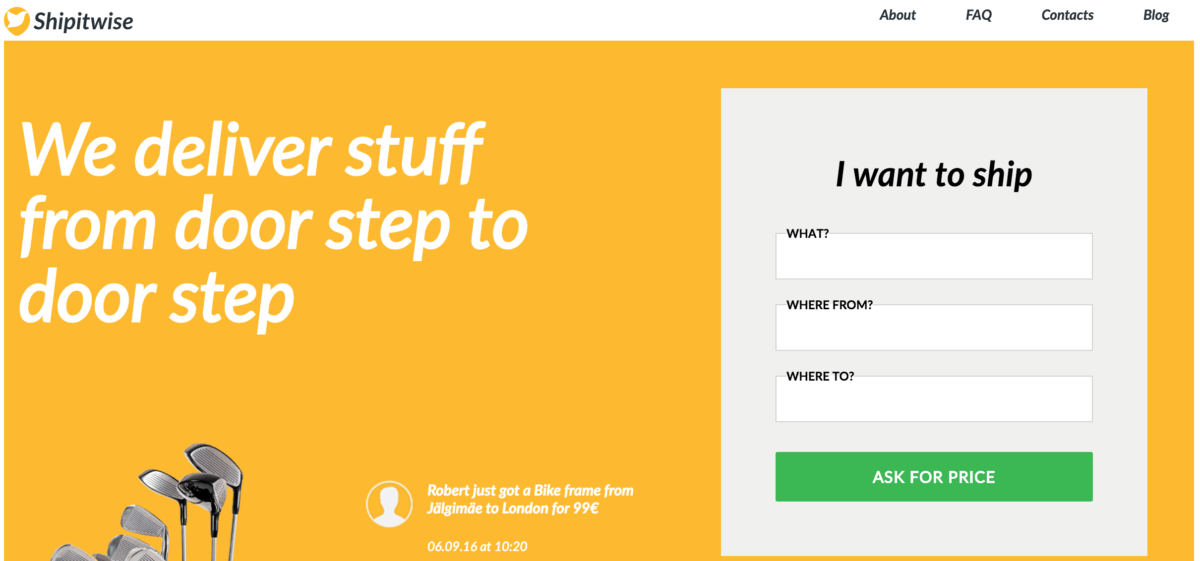
How did we define lean for ourselves?
We didn’t see lean as merely filling out Lean Canvas (the adaptation of Business Model Canvas by Ash Maurya). Nor was our approach limited to figuring out the simplest product we could build. 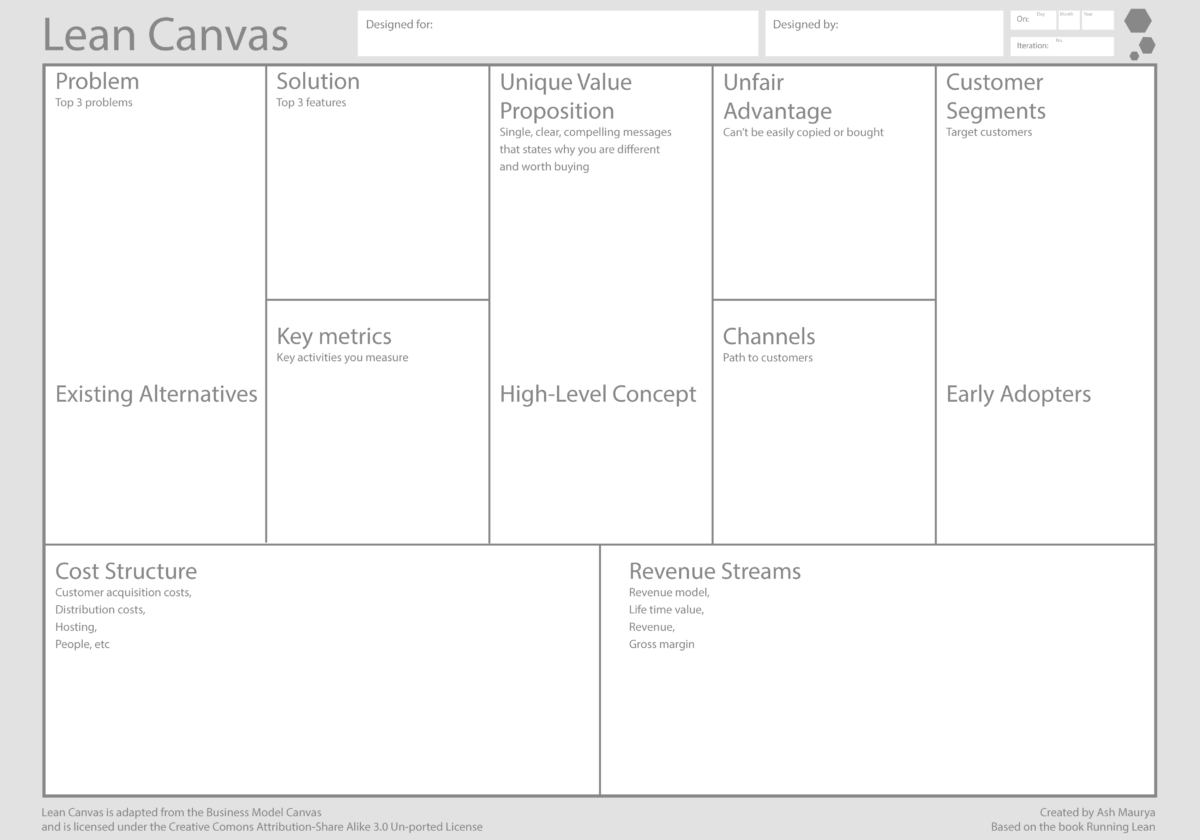 We saw lean as a toolkit we could use to reduce any process to its smallest, most easily tested unit. Lean allows a company to experiment before over investing in a hypothesis. This means a business work on its startup sales process before narrowing in on one customer segment, giving it time to figure out the real customer. In terms of lean, this sales process is divided into four easy-to-follow steps:
Step 1 - Do things that don’t scale
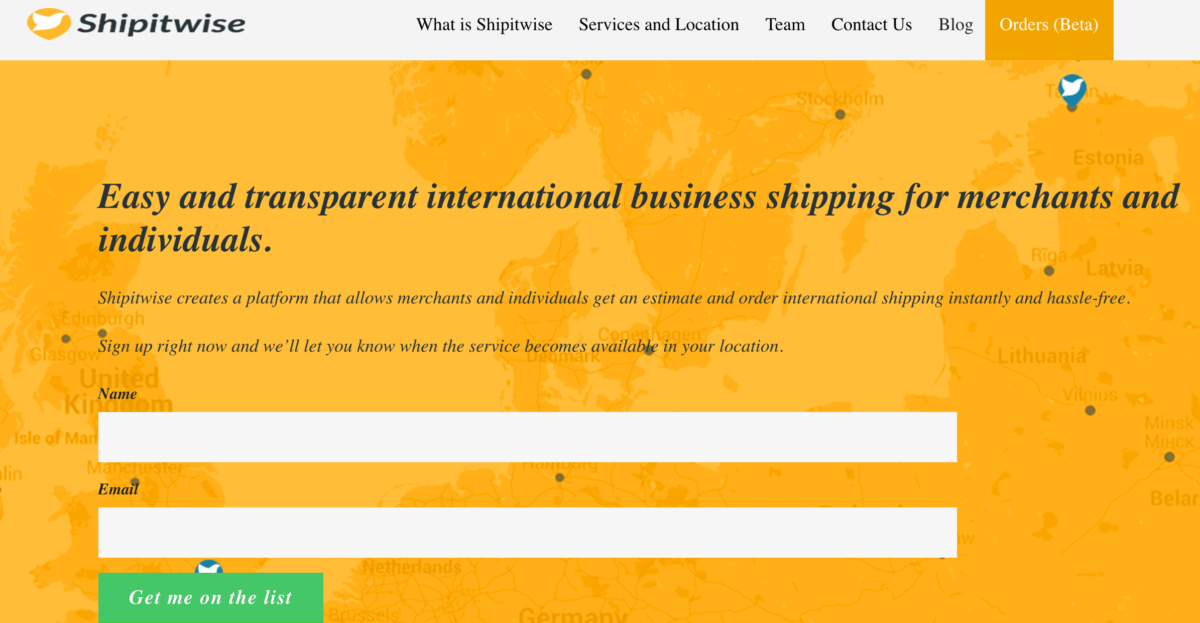
 A company should enter the market as soon as someone has an idea. It could be after spending only an hour or two launching an initial landing page. Or it could be any other minimum viable product—whatever enables you to capture customer interest and their contact information. It’s important to keep most processes manual while learning more about the problem they are solving. That’s what we did at Shipitwise, with great results. We built a landing page that had an input form and some text about what we were planning to do. We asked anyone who needed to transport something to give us their email address.
  Then, it was time to start measuring the site’s traffic. Here are a few things we learned:
Quick Answer: As founders, we can apply lean startup principles to B2B sales by entering the market before defining a precise customer segment, then progressively narrowing focus based on real data. Shipitwise launched a simple landing page, discovered that only 10% of leads matched their original hypothesis while 50% were unexpected prospects, and iteratively narrowed from broad collection to three segments to one validated sector — proving that real-world experimentation beats internal debate for finding the right B2B customer.
- Your traffic will most likely consist of many leads that you can never help. Let them go!In our case, around 40 percent of our leads were unusable. Two-thirds of them were just testing to see what would happen next. Others needed to ship things we could not handle, such as mini submarines, large machinery from China, or really small items that would cost too much to ship.
- There will be leads that you hadn’t expected to see because you assumed that they already had a solution to their problem. Be thankful, and help them as much as you can.This group accounted for about 50 percent of our leads and were potential customers we wanted to target. We would have missed all of them if we had not approached sales in this manner.
- Some of your leads will be customers you wrote down on the lean canvas.* Woohoo!Only 10 percent, a mere fraction of all of our leads, were what we had expected to see, which shows how poor our initial guess had been.
*If you don’t see them, wait a bit longer. If you still don’t see any, it’s time to revisit the canvas. But for now, let’s assume your hypothesis was somewhat correct and those customers came. Based on this information, your team can draw preliminary conclusions on what kinds of customers actually feel the pain they are about to relieve. Then you can develop the product enough to enter the next phase.
Step 2 - Narrow your focus
Pick two to three customer segments that seem likely to generate the most traction and set the focus on them. Here’s where the real fun begins. It’s time to pick up the phone and start cold-calling companies in those business sectors. Constantly experiment with different scripts as a good lean startup student ought to do. We can talk more about that in another post. But this post by Pipedrive is also a good read. Also don’t forget to include flyers in your marketing strategy to help your customers learn more about your services! P.S. It’s important to keep collecting data! Six months in, we stopped aimlessly running around and focused on three segments generating the most traction. From then on we only targeted businesses involved in art, manufacturing and travel. 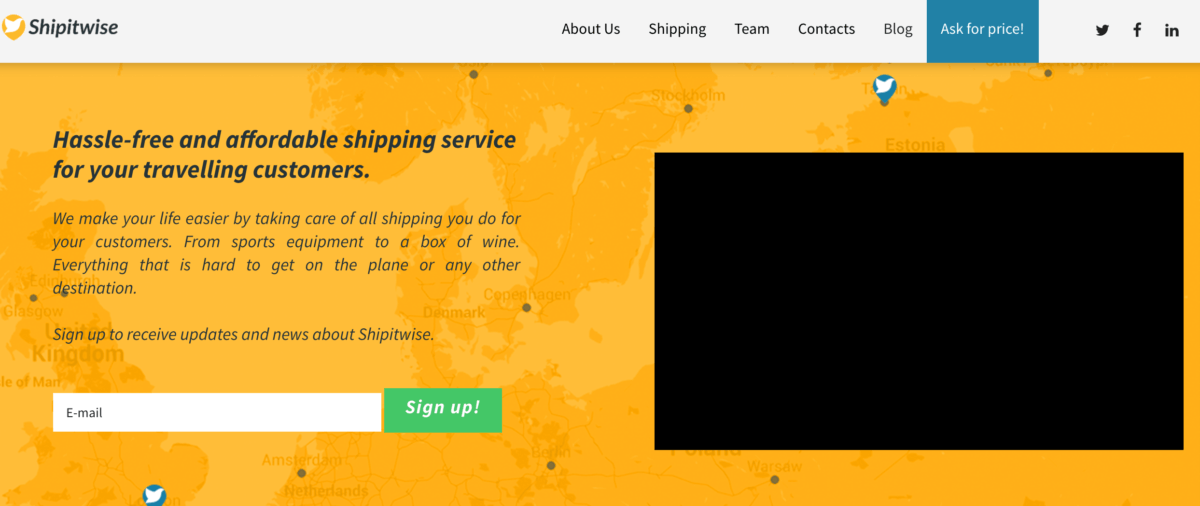
Step 3 - Last chance to fail?
At some point, you will gather enough data and observe that one group seems to outperform the others. Maybe a segment brings in 50 to 70 percent of total revenue, or maybe it is two to three times easier to close. It makes sense to focus on these companies for a while, and maybe even build one or two features they have mentioned the most (but this should wait until the end of this phase). 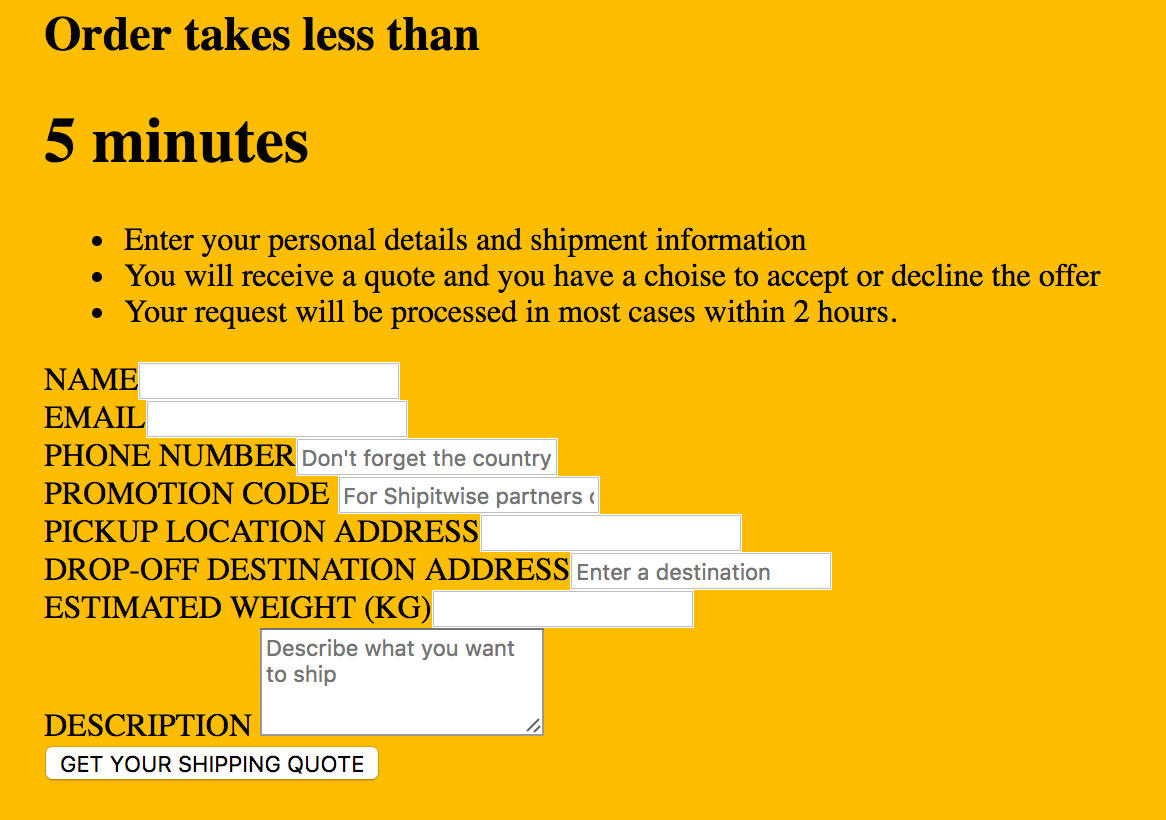 It always feels risky, but it must be done at some point. Recognize that there will never be a situation where you have all the data. In any case, it’s time to focus on that sector and start booking meetings with the decision makers. This might be the most important step. From now on, there won’t be any more undirected targeting. There will only be thoughtful conversations to understand the recurring problems of these firms. Listen. Don’t sell! It’s time to apply your Jedi-level skills and conduct customer interviews. This is necessary to gather enough information to build the product your target group is waiting for. If they buy*, it’s time to enter the final phase. *This one might take a while to achieve, so be patient! In our case, we took a leap of faith after four months of focusing on our three target segments. That’s when we thought we had enough data to show that we should focus on manufacturing companies. This turned out to be a poor decision. We had paid attention to the large dollar orders they placed while ignoring the low frequency of transactions (they shipped very few items per month). Further, serving them was time-consuming with low margins. Thus, we revisited the metrics we had gathered in the second phase. We changed our focus to the travel sector after discovering that these sales had, in fact, been more successful. These companies might not have been generating as high of a yield in the short-term, but they were easier to serve, and the deals had better margins.
 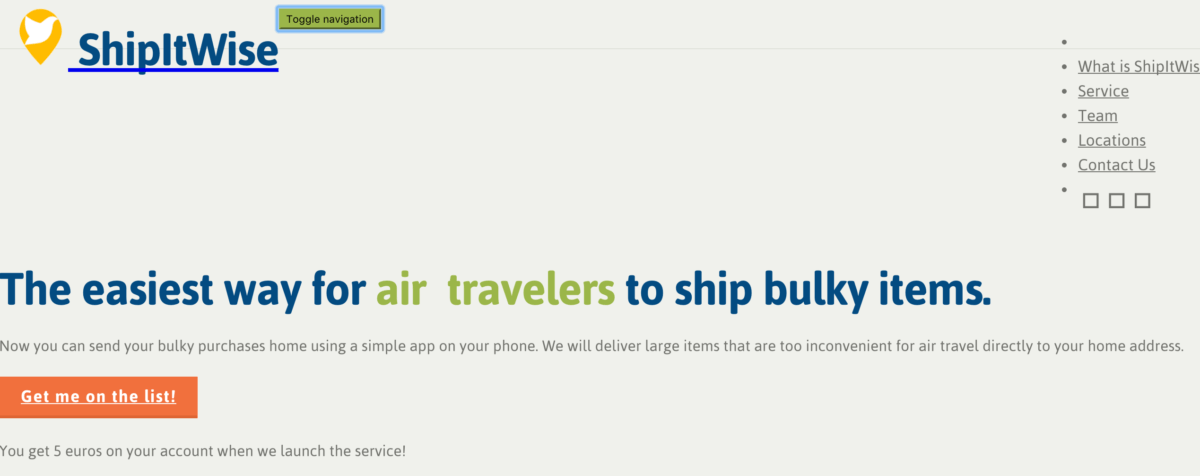 Next, we started meeting with airlines and other travel sector companies to understand what kind of solution would please them and their customers. We constantly modified the product to entice firms to integrate it into their websites. Many of them did!
Step 4 - Press the pedal to the metal
Congratulations! You have found your first customer segment. It’s time to start approaching all of the firms in your focus sector. Offer them the product, and make sure it’s something they can start using right away. Skip the long onboarding process. Once you’ve exhausted this sector, revisit step 1. Find the next group of companies to help. It’s time to get back to work and sell!
Frequently Asked Questions
How can lean startup principles be applied to B2B sales?
As product managers and founders, we can apply lean principles by reducing the sales process to its smallest, most easily testable unit. At Shipitwise, this meant entering the market before knowing the exact customer segment, launching a simple landing page to capture interest, keeping processes manual while learning, and then progressively narrowing focus based on real data rather than assumptions.
What are the steps in a lean startup sales process?
The lean approach to startup sales follows four steps: (1) Do things that don’t scale — launch a minimal landing page and collect leads manually. (2) Narrow your focus to two or three customer segments generating the most traction. (3) Go deeper into the top-performing segment by conducting customer interviews and validating willingness to pay. (4) Press the pedal — scale sales efforts across that validated segment.
Why should startups enter the market before defining their target customer?
Entering the market early lets real data replace guesswork. At Shipitwise, only 10 percent of leads matched the customer segment they had originally hypothesized, while 50 percent were unexpected potential customers they would have completely missed. Starting broad and narrowing based on evidence saves hours of pointless internal debate and reveals who actually feels the pain your product solves.
What mistakes should you avoid when choosing a customer segment for startup sales?
We should avoid fixating on revenue size alone. Shipitwise initially focused on manufacturing companies because of their large individual orders, but overlooked low transaction frequency, time-consuming service requirements, and poor margins. When they revisited their data, the travel sector turned out to be more successful — easier to serve, better margins, and higher long-term potential. Always evaluate multiple metrics before committing.
How long does it take to find the right B2B customer segment using lean methods?
Based on the Shipitwise experience, expect the process to take several months. They spent roughly six months in the broad data-collection phase before narrowing to three segments, then another four months before choosing a primary focus. When that initial choice proved wrong, they pivoted again using existing data. Patience and continuous data collection are essential throughout.

Comments
Loading comments…
Leave a comment