
Corporate Strategy vs Innovation Strategy: Why Alignment Fails
One team controls the future. The other knows disruption is inevitable.
 By Tristan Kromer · · 6 min read
 Quick Answer: Misalignment between corporate strategy and innovation strategy usually stems from a philosophical clash: core business teams believe they control the future through incremental improvements, while innovation teams see disruption as inevitable. As product managers, we need C-level leadership to break the tie by defining innovation ambition and resource allocation across core and disruptive efforts. Without both sides acknowledging each other’s reality — that the core funds innovation and that disruption is coming regardless — no alignment is possible.
Every once in a while, there’s a question on a forum or in a breakout room that really starts a wild discussion. My favorite example from the Innov8rs forum might be:
How do you develop and align Innovation Strategy with Corporate Strategy?
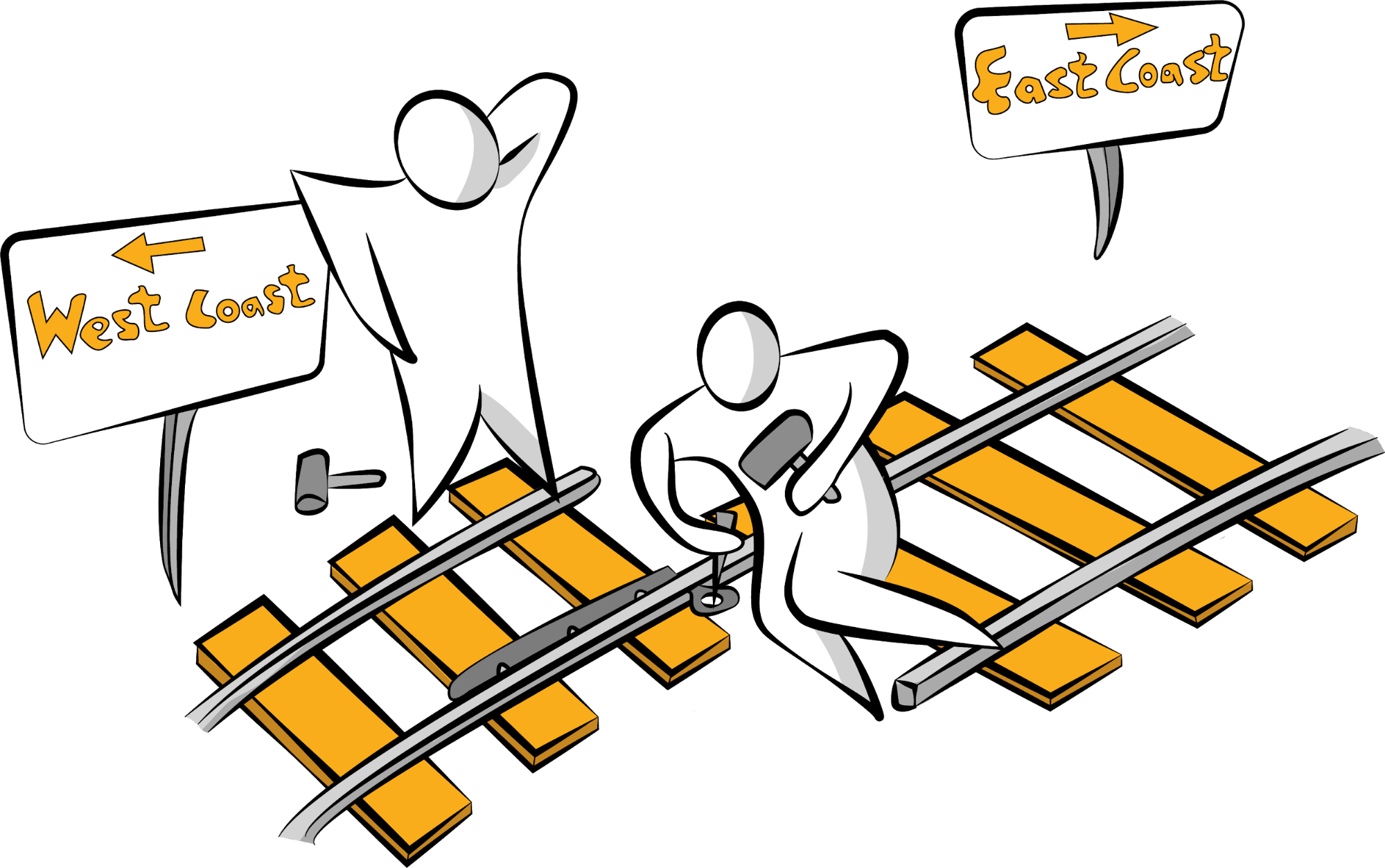 There are a ton of ways to answer this because there are a ton of things that can go wrong when crafting an innovation strategy. Many companies don’t have corporate/innovation alignment simply because they don’t have a viable innovation strategy, others because they don’t have a corporate strategy. But when the corporate strategy and the innovation strategy are not aligned it’s often because there is a basic philosophical difference between two groups of strategists.
Control and Predictability in Corporate Strategy
One strategic approach is from the Steve Jobs, “Let’s put a ding in the universe” school of thought. These strategists think the world can be better and that they are the ones to make it so. They think they are going to fundamentally shift consumer behavior with their creativity and pure willpower.  Believe it or not, this approach to strategy is usually not from the innovation team working on a new market-disrupting technology project, but the corporate strategy team working on incremental improvements to existing products. There may be incremental improvements and not what most people would consider “a ding in the universe,” but for this group, that’s innovation and it’s big business. Fundamentally, this is a very Western, individualistic approach where we believe our actions control the future. Steve Jobs believed he was going to change reality. If he didn’t do it, no one else could. (I’m not arguing if he was right or wrong, just describing Jobs’ approach as popularly perceived.) So if the main corporate entity thinks that business as usual will generate ROI, it’s because they think that their actions control the future. Why should they worry about being disrupted by some new technology or business model? They know how to do their business, and the future is clear because they control it. The only thing they need the innovation department to do is focus on incremental innovation and improving operational efficiency. They need features. They need quarterly results. They don’t need the distraction of someone pitching big disruptive ideas that don’t help today’s business. But disruption is what most innovation teams strive for. They want to find a new approach to business that makes existing business models obsolete. With a new model, the innovators will rule the market. So from the perspective of a corporation, disruption from outside the company is a threat to their established business model. But disruption from within can be equally disastrous if the company is not equipped to handle the rapid change. Disruption from the inside might sound great to the CEO — it’s better to disrupt than be disrupted. But to a business unit manager, this internal disruption is cannibalization.
  When you disrupt your own business model, a new product takes market share from existing products. It may endanger existing margins and existing jobs as well. Disruption is a disaster for a business unit that thinks it can control the future and maintain the status quo.
Inevitability in Innovation Strategy
The contrast to the Steve Jobs approach is a bit more passive in some ways, almost Taoist. The future exists. Blockchain is coming. Global warming will happen. Artificial Intelligence is an inevitable trend so get ready to bow down to our machine overlords. 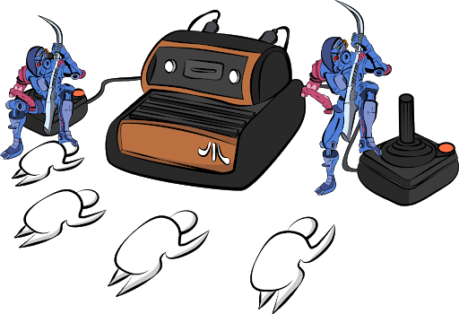 This futurist approach sees the future as something that is going to happen whether we like it or not. The only question is, “What is our role going to be in that future?” We could take action to help build that future and occupy a central position. Or, if we fail to act, we can be shut out of tomorrow’s opportunities because someone else is going to do it. This group feels compelled to act, because it knows the cost of not disrupting is to be disrupted. They don’t want to work on the core business and incremental innovation. They want to be rebels and pirates, unbeholden to the quarterly goals of the core business.
The Conflict
The fundamental issue here is at the very highest level. What percentage of the company budget will be allocated to disruptive innovation projects vs incremental improvements to the core business? (And we haven’t even considered Adjacent innovation yet!) 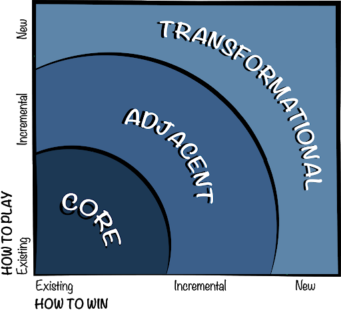 The core team, believing they control their own destinies, wants to invest in the core. The innovation team wants to disrupt their own company before someone else does. Until the high-level allocation of resources between these two groups is resolved, no alignment is possible and no philosophical discourse is going to resolve the issue. We must get the individualistic core team to acknowledge that they don’t have control and that competitors are coming. If we don’t get them to acknowledge that there is a problem, they will not be open to a solution. At the same time, the disruptive innovation team must acknowledge that their efforts are funded by the profits from the core. An abrupt disruption is undesirable, even if it comes from within. Instead, the disruption team must demonstrate their business model with concrete evidence and show the core team a path to migrate to the newly formed business unit. Ultimately, the C-level must break the tie by setting high-level strategic priorities and defining their innovation ambition. If a disruptive business model is found, then the entire C-suite needs to have a strategy in place for reallocating resources towards the disruption team. People and resources can be moved slowly at first, but the process must be accelerated as the disruption team starts influencing market dynamics. But even if the CEO commands it, without an agreement on what the strategic challenges and ambitions are, innovation and corporate teams will never achieve strategic alignment.
Lessons Learned
- If you don’t have strategy, you don’t have alignment.
- The future is coming whether you like it or not.
- Your strategy is how you will position yourself to take advantage of what is coming in your market’s future.
Frequently Asked Questions
Why do corporate strategy and innovation strategy often end up misaligned?
The misalignment typically stems from a fundamental philosophical difference between two groups. Corporate strategy teams tend to believe they can control the future through incremental improvements to the core business, while innovation teams see disruption as inevitable and want to prepare for it. Until both sides acknowledge each other’s perspective and leadership sets clear resource allocation priorities, alignment remains impossible.
How should a company allocate budget between core business and disruptive innovation?
The C-level must break the tie by setting high-level strategic priorities and defining the company’s innovation ambition. As product managers, we need to recognize that disruptive innovation is funded by core business profits, so abrupt shifts are undesirable. Resources should move gradually toward validated disruptive business models, accelerating only as the disruption team demonstrates concrete evidence and begins influencing market dynamics.
Why do business units resist internal disruption even when the CEO supports it?
While disruption from within may sound great to the CEO, to a business unit manager it looks like cannibalization. A new product takes market share from existing products and may endanger existing margins and jobs. Teams that believe they control the future and can maintain the status quo see internal disruption as a disaster, not an opportunity.
What happens when your corporate strategy ignores emerging threats?
If the core business team doesn’t acknowledge that competitors and new technologies are coming, they won’t be open to solutions. The future is arriving whether we like it or not — blockchain, AI, shifting market dynamics. A corporate strategy that assumes the status quo will hold indefinitely puts the entire organization at risk of being disrupted by outside forces that were entirely foreseeable.
What’s the first step to aligning innovation strategy with corporate strategy?
Before alignment is possible, both strategies need to actually exist. Many companies lack alignment simply because they don’t have a viable innovation strategy — or even a clear corporate strategy. The first step is getting both teams to agree on the strategic challenges and ambitions facing the organization, then having C-level leadership define how resources will be allocated across core, adjacent, and disruptive innovation.

Comments
Loading comments…
Leave a comment