

The ROI of Innovation: Why It's the Wrong Question to Ask
It's like asking the ROI of health insurance. You're missing the point.
 By Tristan Kromer ·
 By Tristan Kromer As product managers, we are often asked a single question when we propose a new product: What’s the Return on Investment (ROI)? What’s the ROI of innovation?  There has to be a Return on Investment (ROI) or we can’t get funding for the project. The details of this conversation may vary depending on if we are an entrepreneur talking to an investor, an intrapreneur pitching to our business unit manager, or head of a skunkworks pitching to the CFO. But the general theme is the same.
- Finance requires a 4 year projection of revenue showing an ROI
- The visionary grudgingly creates a realistic spreadsheet projection of the next 4 years of revenue that shows a 100 million dollar market.
- Finance denies funding because the return is too small. Finance declares, “If it’s not a billion dollar market, we don’t invest.”
- The visionary adjusts the market size and margins until the spreadsheet shows 1 billion dollars.
- Finance divides the projected revenues by 10 to account for “visionary enthusiasm” and then approves it because 100 million is pretty decent.
WTF just happened? There must be a better way to decide on innovation investments than this.
Shared Fiction
It reminds me of when I see someone waving at me at a party, so I wave back to be polite, not knowing who the hell this person is. Of course, they were waving at someone else behind me. But then they assume, since I was waving at them, that they must know me and proceed to walk over for a chat. Even after 10 minutes of conversation where we’re both fairly certain the other person has no idea who we are, we continue the charade out of courtesy. Everyone in this scenario knows it’s a complete charade and suspects that everyone else also knows it’s a charade, but everyone plays along because it would be impolite not otherwise.
Harmless Fiction
Cocktail party civility is a harmless fiction. The fiction around pitching new innovation projects can be deadly. It’s deadly because if we know one thing for certain, companies are dying faster than ever. 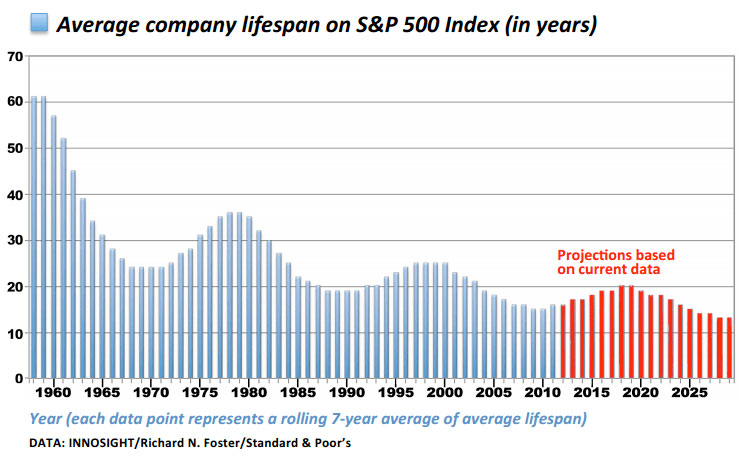 The average lifespan of an S&P 500 company has declined from 80 years to 15. If you work at a large company, that fact should terrify you.
The Absurdity: The ROI of Innovation
What’s the ROI of innovation? What about a potentially disruptive innovation? Let’s start with something easier. What’s the ROI of buying health insurance? (Let’s assume we’re in the US where there isn’t state sponsored health care.) Hint: It’s negative.  Without doing any math, we know it’s negative because health insurance companies would quickly go bankrupt if they lost money on every person that bought health insurance. It’s the same reason we can be assured that the odds are against us if we gamble in a casino. The casino would be bankrupt if the odds weren’t in their favor. On average, we’re bound to lose. Does that mean we should never buy health insurance? No. We want to buy health insurance because the downside of a health problem is potentially catastrophic.
  With medical costs what they are (at least in the US), the cost of a major surgery is sufficient to bankrupt us. Or even worse, we simply might not be able to afford cancer treatment. Unless, like Walter White, we have a spectacular backup plan, we’re dead. Spoiler alert: Walter White died anyway.
The Joy of an Unused Option
Health insurance doesn’t make any sense in terms of ROI (or Net Present Value if you’re into that sort of thing). The only time it makes sense is when we know we’re about to get sick. Does that mean we should be unhappy unless we’re able to cash in on our health insurance by having a triple valve bypass? If we don’t have to use our health insurance, we ought to be absolutely thrilled! It’s not a waste of money just because we didn’t get sick. Buying health insurance is like buying the option of going to the doctor. We don’t have to go. But we can if we need to. The option has value, even if we don’t use it.
Happiness in Disruption
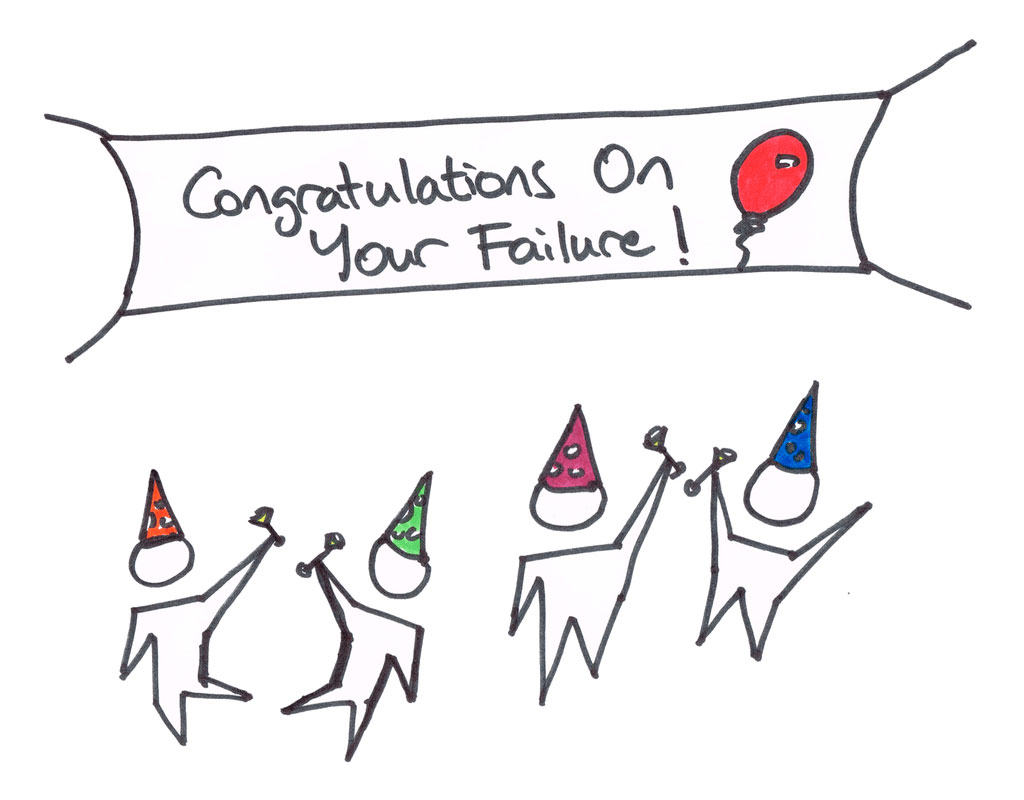 In innovation, we should also be thrilled when innovation projects fail. Particularly if they are disruptive to our core business. If they fail, it means that the potential disruption is probably not as much of a threat as we thought. If they succeed, sure…we’re disrupted. But at least we disrupted ourselves! We have a chance to profit and sustain ourselves through that disruption. The alternative is to let others disrupts us. Which would you rather do? Investing in innovation is investing in the option to launch a new business. Even if it might fail or we decide against it in the long run, the option still has value!
Quick Answer: Asking the ROI of innovation is like asking the ROI of health insurance — it’s negative on paper, but that misses the point. As product managers, we should treat innovation investments as options, not guaranteed revenue streams. The downside of not innovating is potentially catastrophic, with S&P 500 company lifespans dropping from 80 to 15 years. Even failed innovation projects have value: they tell us a potential disruption isn’t as threatening as we feared.
Innovation Options
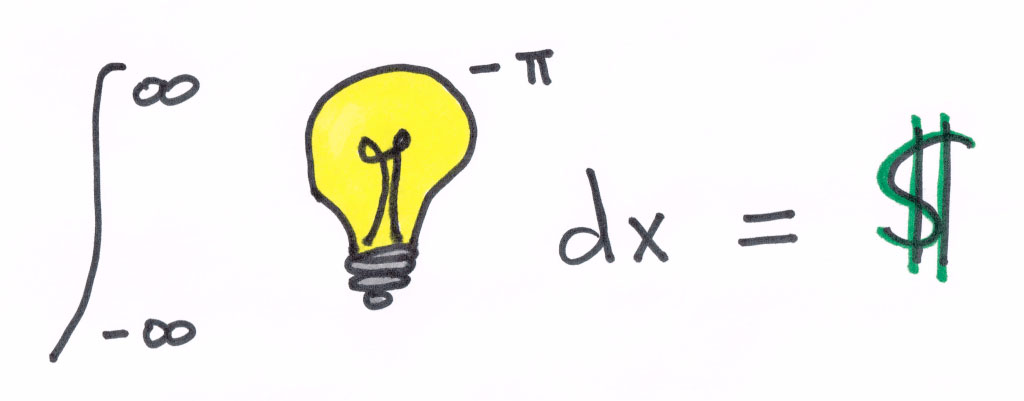 This is a deep topic (as is all innovation accounting) where we have been heavily influenced by conversations with David Binetti. For those that are interested in calculating the value of innovation options, we recommend a conversation with him plus check out his project called Innovation Options. You won’t be disappointed and yes, we’d be happy to introduce you.
Lessons Learned
Frequently Asked Questions
What is the ROI of innovation?
Asking the ROI of innovation is similar to asking the ROI of health insurance — it’s often negative on paper, but that misses the point. We invest in innovation not because every project will generate positive returns, but because the downside of not innovating is potentially catastrophic. As product managers, we should think of innovation investments as options, not guaranteed revenue streams.
Why is the traditional ROI process for funding innovation projects broken?
The typical process devolves into a shared fiction: finance demands a multi-year revenue projection, the visionary inflates numbers to meet arbitrary thresholds, and finance discounts them back down. Everyone knows the projections are fabricated, yet we all play along. This charade is dangerous because it doesn’t actually help us make better investment decisions about which innovations to fund.
What are innovation options and why do they matter?
Innovation options treat each innovation investment like buying an option — the right, but not the obligation, to launch a new business. Just like health insurance has value even if we never get sick, an innovation project has value even if we ultimately decide not to pursue it. The option itself provides strategic value by giving us the ability to respond to disruption if and when we need to.
Should we celebrate when innovation projects fail?
Yes, especially when those projects explore potential disruptions to our core business. If a disruptive innovation project fails, it likely means the threat isn’t as severe as we feared. If it succeeds, at least we disrupted ourselves rather than letting a competitor do it. Either way, we’ve gained valuable information — and that’s exactly why the investment was worthwhile.
Why is investing in innovation like buying health insurance?
Health insurance has a negative expected ROI — insurance companies wouldn’t survive otherwise — yet we buy it because the downside of being uninsured is potentially catastrophic. Innovation works the same way. With the average S&P 500 company lifespan dropping from 80 years to 15, failing to invest in innovation could be a death sentence for our company, even if individual projects don’t always pay off.


Comments
Loading comments…
Leave a comment