
The ELMO Acronym: A Joyful Way to Keep Meetings on Track
The most delightful way anyone's ever told me to shut up
 By Tristan Kromer ·
 Quick Answer: The ELMO acronym stands for Enough, Let’s Move On — a playful, non-confrontational way to signal during meetings that a point has been made and it’s time to move forward. Teams use a physical Elmo toy in person or share Elmo gifs and images in remote collaboration tools. It’s a warmer alternative to eye-rolling or zoning out, and even the person on the receiving end doesn’t mind being told to wrap it up.
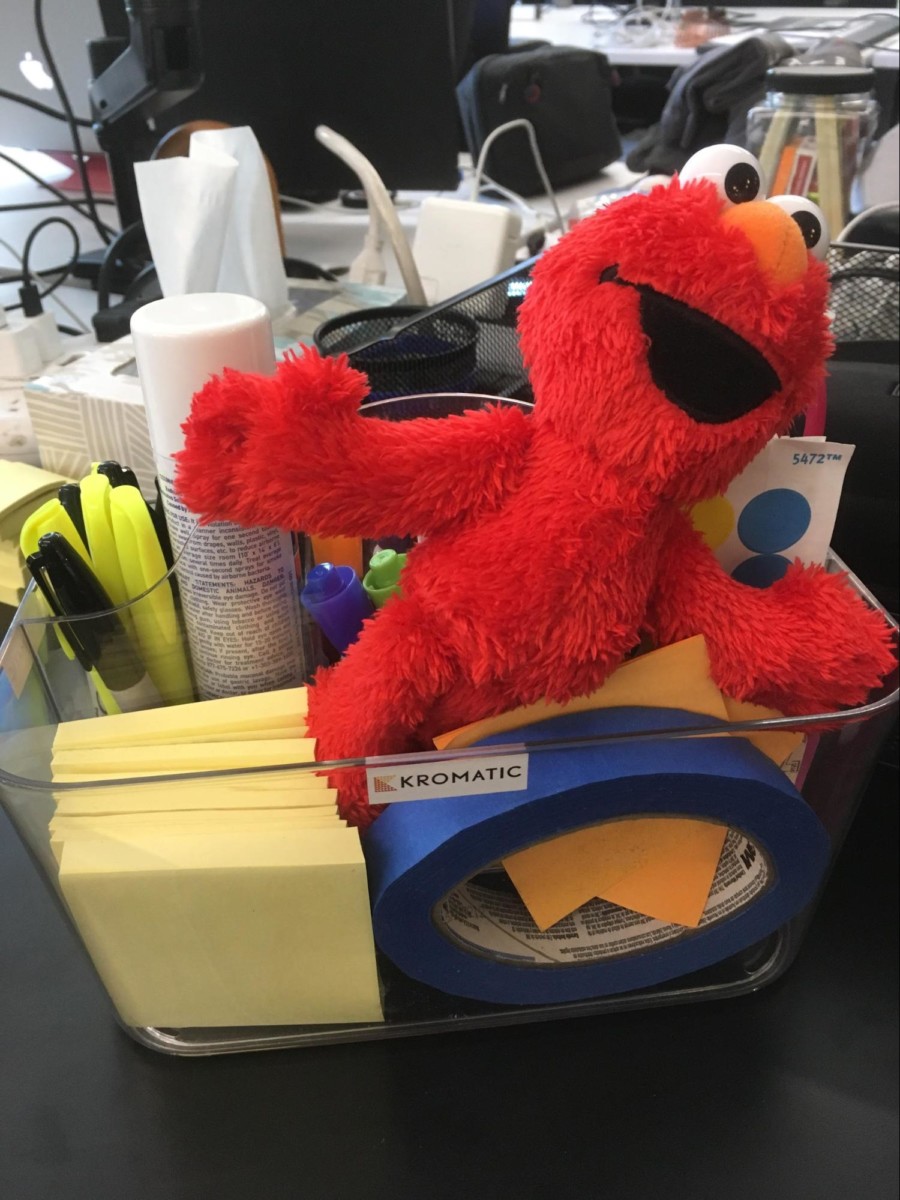
Elmo acronym by Tristan Kromer  In the past few months, Elmo has been making frequent appearances in our office. He can be seen here in our supply caddy which we bring to every in-person meeting. Elmo provides a very specific function in our meetings aside from being generally delightful and soft. Elmo stands for Enough, Let’s Move On It’s a fun way to let someone (usually me) know that the point was made, understood, and further pontification is unnecessary. As someone who is frequently on the receiving end of Elmo, I can personally say that this is the most joyful way I’ve ever been told to shut up and I really don’t mind it. Sometimes Elmo slowly creeps into view. Sometimes he dances. Sometimes I just notice him sitting in the caddy and shut myself up. Sometimes he shows up in jpg or gif form during remote conversations when we’re collaborating on a google doc, a trello board, or mural. His majestic presence helps ensure that our conversations stay on point.
  I highly recommend adding Elmo to your toolkit. He adds a welcome efficiency to conversations and a warmer alternative to rolling your eyes or zoning out. UPDATE: I can’t remember who originally introduced me to ELMO as an acronym. If it was you, let me know in the comments to I can update the post.
Frequently Asked Questions
What does the ELMO acronym stand for in meetings?
ELMO stands for Enough, Let’s Move On. It’s a fun, non-confrontational way to signal during meetings that a point has been made, understood, and that further discussion on that topic is unnecessary. Teams often use a physical Elmo toy or digital Elmo images to keep conversations efficient and on track.
How do you actually use the ELMO acronym in practice?
Teams can use a physical Elmo toy that slowly creeps into view, dances, or simply sits visibly as a gentle reminder. For remote meetings, Elmo images in jpg or gif form can be shared in collaboration tools like Google Docs, Trello boards, or Mural. The key is that it provides a playful, low-conflict way to redirect conversations.
Why is ELMO better than other ways of keeping meetings on track?
The ELMO acronym works because it’s warm and humorous rather than confrontational. As product managers, we know that telling someone to stop talking can feel rude and damage team dynamics. Elmo transforms that awkward moment into something delightful — even the person being told to move on doesn’t mind, which keeps the team culture positive while still maintaining meeting efficiency.
Can you use the ELMO acronym in remote meetings?
Absolutely. While in-person teams might keep a physical Elmo toy in their meeting supply caddy, remote teams can share Elmo images, gifs, or jpgs during virtual conversations. This works well in collaborative tools like Google Docs, Trello, or Mural — anywhere your team is already communicating in real time.
What should I add to my meeting toolkit to improve efficiency?
Consider adding an Elmo toy or designated Elmo image to your meeting toolkit. It serves as a visual, playful cue that helps teams self-regulate discussions without anyone feeling shut down. It’s a small addition that creates a warmer alternative to eye-rolling or zoning out when conversations go off track or run too long.

Comments
Loading comments…
Leave a comment