
Startup Pivot Anti-Patterns: A Taxonomy of How Not to Pivot
Complete with piñatas and investors who never left the building.
 By Tristan Kromer ·
 Quick Answer: A startup pivot should be driven by real customer feedback, but many pivots are actually anti-patterns that undermine lean startup principles. Common traps include the “Blind Pivot” (changing direction without talking to customers), the “Buzzword Pivot” (chasing trendy terms to attract investors), and the “Superstitious Pivot” (pivoting because a study says successful startups pivot 2.7 times). As product managers, we should ensure every pivot is grounded in validated learning from actual human conversations — not investor pressure, superstition, or untested assumptions.
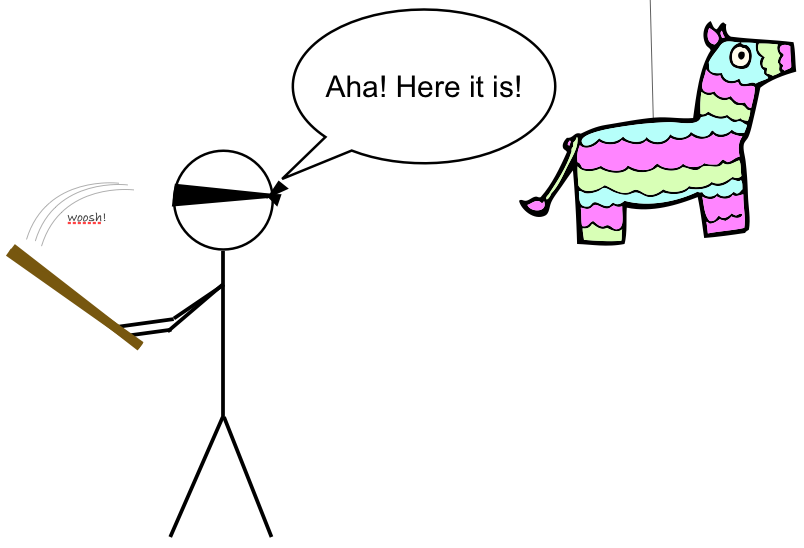
Startup Pivot: Pivoting has been up and down the Gartner Hype Cycle at least twice now. Sometimes it’s an accurate term to describe what entrepreneurs have to do to survive: adapt to customer feedback. However, sometimes it’s an annoying buzzword that is poorly understood and grating to the ears. I’m on a constant search for good patterns for entrepreneurs to follow and bad anti-patterns to avoid. So as a follow up to my Taxonomy of the Lean Startup Pivot, here is the Taxonomy of the Lean Startup Anti-Pivot. Complete with a piñata! (Special thanks to Mike Woloszynowicz - @mkbiz for coming up with the term “Blind Pivot” and inspiring this post.) Blind Pivot - Changing business models without getting out of the building and talking to the humans. 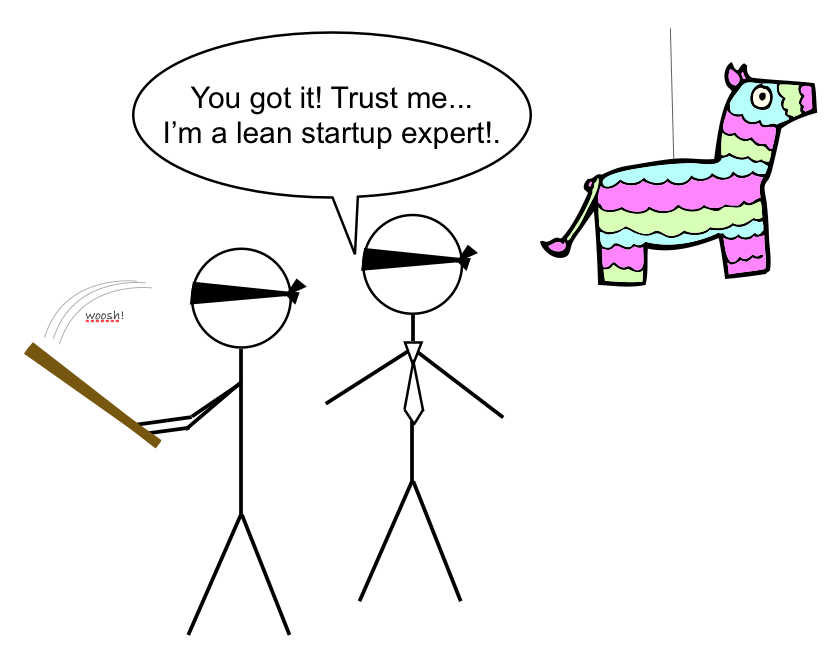 Assisted Blind Pivot - Changing business models based on the advice of investors, mentors, “lean startup experts”, or other individuals who also haven’t gotten out of the building and talked to the humans.
 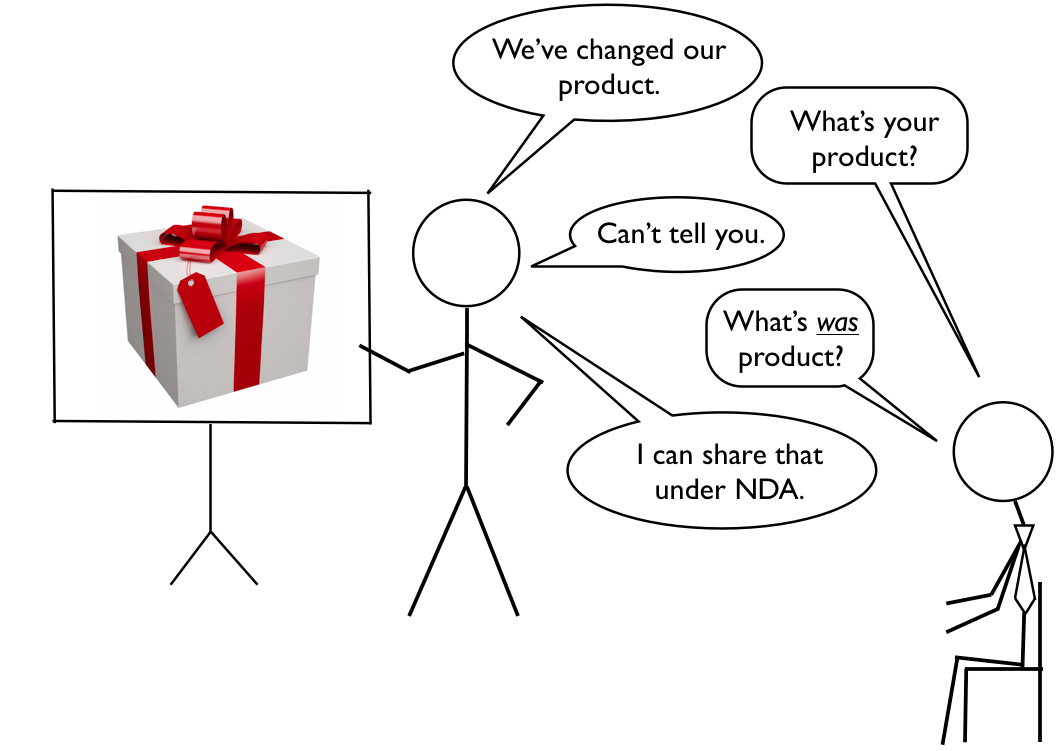 Stealth Pivot - No one can know it and you’re not willing to discuss it, but you pivoted really really hard.
 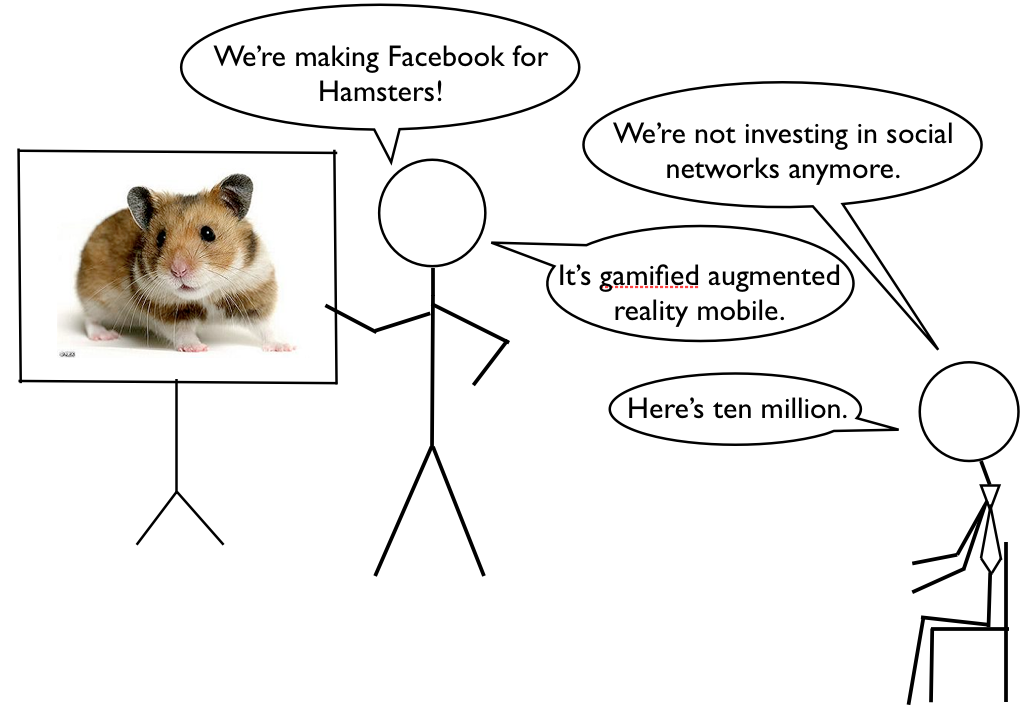 Buzzword Pivot - Changing business models in order to incorporate a buzzword more likely to generate investment interest.
 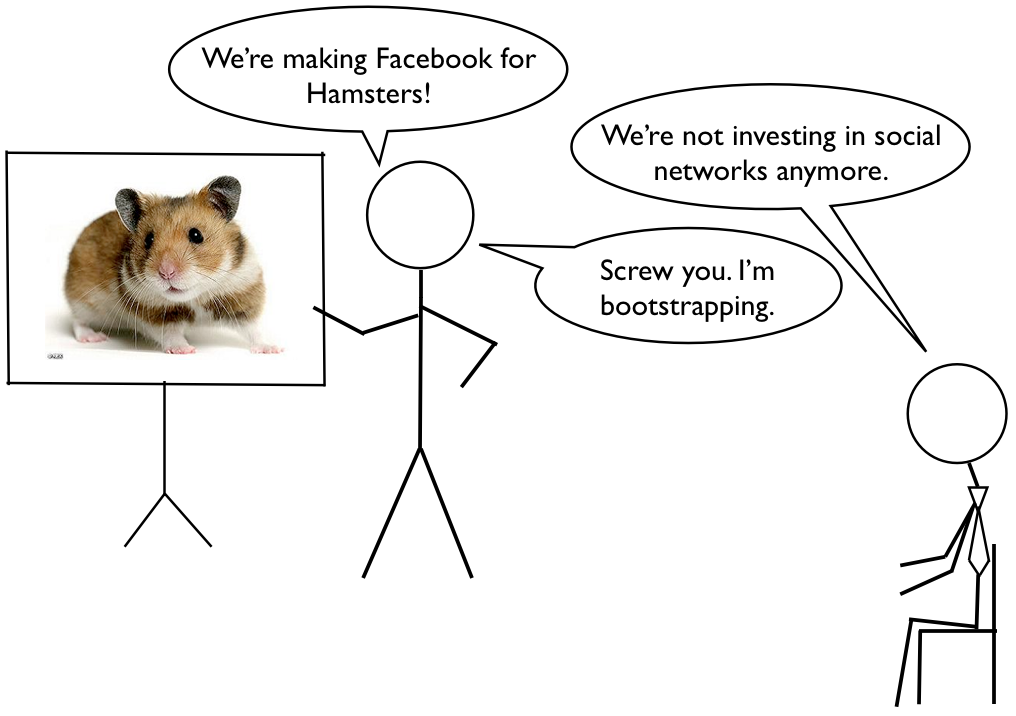 Trust Fund Pivot - Shifting from a heavy investment strategy to a more bootstrapped model based on an utter lack of investor interest.
 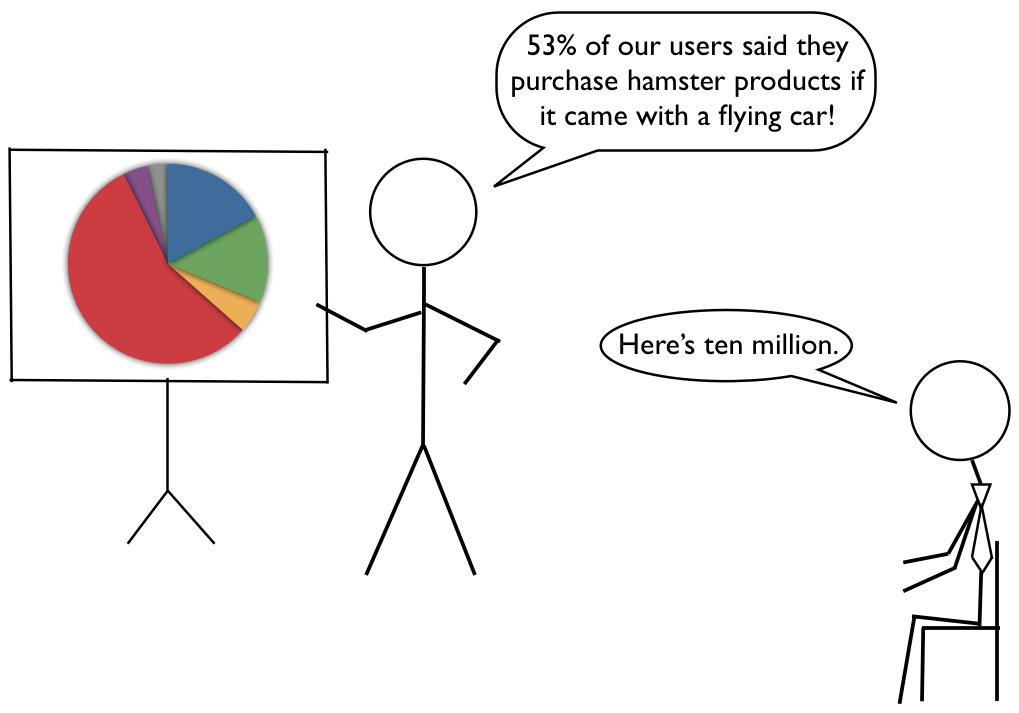 Statistically Significant Pivot - Changing business models based on a statistically significant sample size of responses to a poorly written survey.
 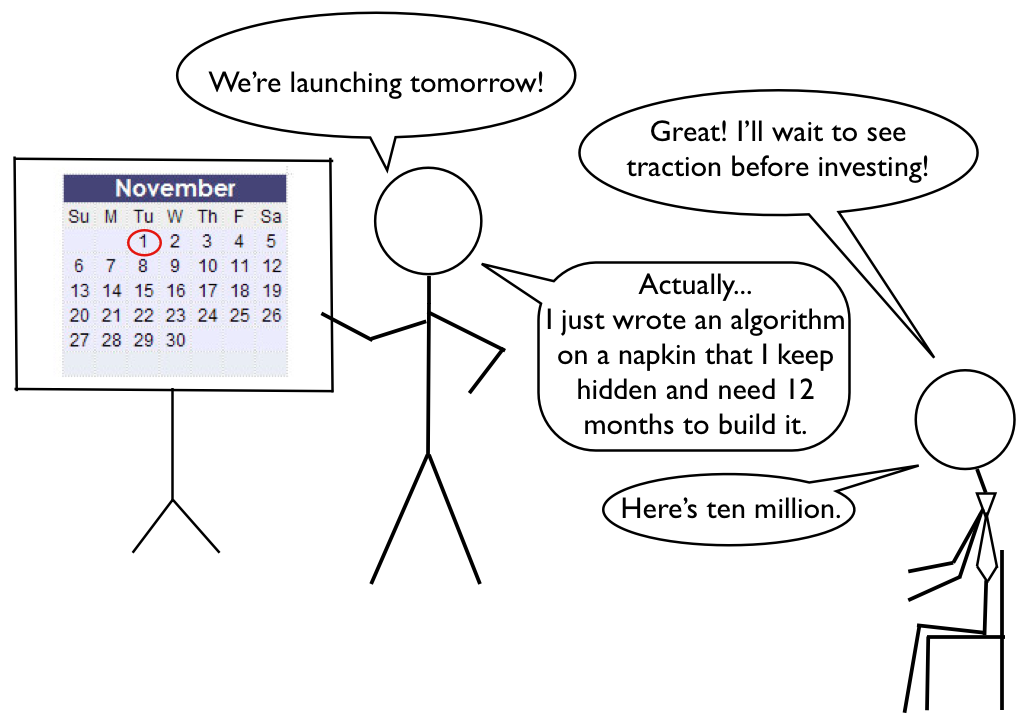 Launch Date Pivot - Postponing the product or service launch until after raising funding because of the possibility that poor traction could be mistakenly perceived by investors as a lack of customer interest.
 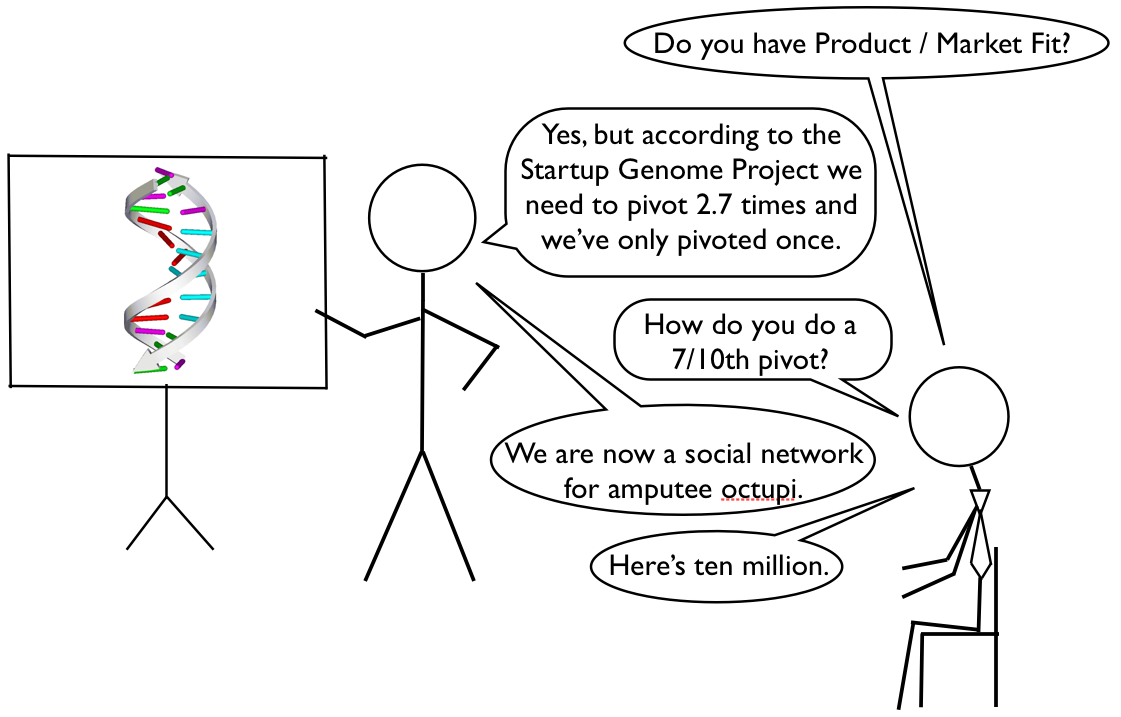 Superstitious Pivot - Changing the business model because according to the Startup Genome project successful companies pivot 2.7 times. (Also know as the “I Assume Official Looking Documents with Footnotes are Methodologically Sound” Pivot.)
 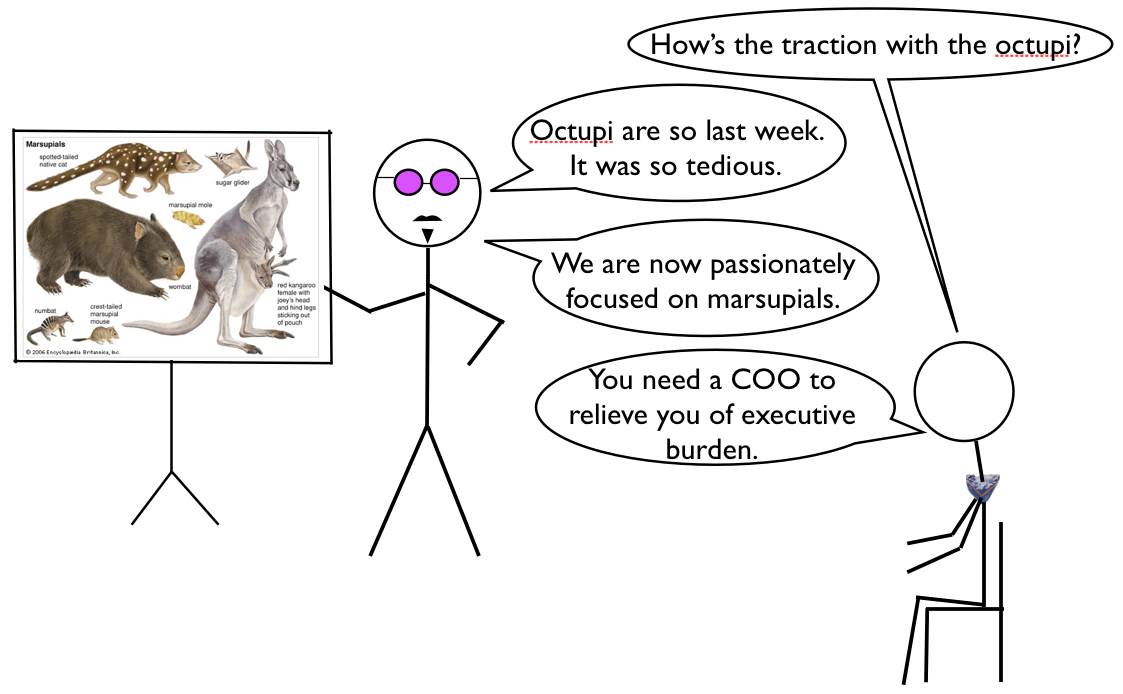 Hipster Pivot - Changing the business model because the old idea was just so uncool and unmotivating to work on.
  Friends and Family Pivot - Changing the business model to getting a real job because you’ve lost all your friend’s and family’s money and your Dad starts yelling at you to get a job. Got another you’d like to share? Let me know in the comments. Here’s the complete presentation embedded below which has an easter egg or two for SF folks:
Frequently Asked Questions
What is a startup pivot anti-pattern?
A startup pivot anti-pattern is a common but counterproductive way of changing your business model that doesn’t follow lean startup principles. Unlike a legitimate pivot driven by real customer feedback, anti-pivots are based on flawed reasoning — such as changing direction without talking to customers, chasing buzzwords, or pivoting simply because someone told you successful startups pivot a certain number of times.
What is a blind pivot in lean startup?
A blind pivot is when we change our business model without ever getting out of the building and talking to actual customers. The “assisted” version is equally problematic — that’s when we pivot based on advice from investors, mentors, or lean startup experts who also haven’t validated anything with real humans. Both bypass the customer feedback that makes a pivot meaningful.
Why do startups pivot for the wrong reasons?
Startups often pivot for the wrong reasons because founders confuse motion with progress. Common traps include chasing buzzwords to attract investors, pivoting a specific number of times because a study said successful companies do, or abandoning an idea simply because it feels uncool. As product managers, we need to ensure every pivot is grounded in validated learning from real customer conversations, not external pressure or superstition.
How do you tell the difference between a real startup pivot and a fake one?
A real startup pivot is driven by genuine customer feedback gathered through direct interaction — getting out of the building and talking to humans. A fake pivot typically stems from untested assumptions, investor pressure, buzzword chasing, or poorly designed surveys with misleading data. If you can’t point to specific customer insights that drove the change, it’s likely an anti-pivot.
What is the superstitious pivot?
The superstitious pivot is when founders change their business model simply because they read that successful startups pivot a certain number of times — like the often-cited “2.7 times” statistic. It’s a reminder that we shouldn’t treat official-looking documents with footnotes as methodologically sound without scrutiny. Pivots should be driven by what customers tell us, not by cargo-culting someone else’s research.

Comments
Loading comments…
Leave a comment