

Innovation Strategy: Where to Explore, When to Launch, How to Hack
It's not chess — you don't even know what game you're playing yet
 By Tristan Kromer · · 9 min read
 Quick Answer: Innovation strategy goes beyond traditional “where to play, how to win” frameworks. As product managers, we need to master three information-driven skills: figuring out where to explore (finding blank spots on the map), deciding when to launch (watching for the right convergence of technology, regulation, and market readiness), and learning how to hack (exploiting ambiguity in rules others treat as fixed). The common thread is gaining an information advantage — identifying what’s unknown, acting when key information emerges, and recognizing where everyone else’s assumptions are wrong.
Strategy isn’t easy. Innovation strategy less so. Innovation strategy isn’t like playing chess, where you can see the entire board laid out before you. With innovation strategy, you lack the information needed even to decide your opening moves, because you don’t know what the board looks like or what the rules are. You don’t even know who is playing against you, although you can be certain that at least one other person is on the other side. Innovation strategy is more like choosing which game to play in the first place.  Put simply, this is a Where to Play decision. The Where to Play decision should be made before thinking about How to Win, an approach made famous by A.G. Lafley, Roger L. Martin, and Jennifer Riel in their cornerstone book Playing to Win. But that still doesn’t quite encapsulate the challenges of an innovation strategy.
The Problem of Innovation Strategy
The problem with an innovation strategy is that there may or may not be games we could be playing that no one is even aware of yet. We don’t know what the prize is in those possible games. We don’t know if they are fair games. We don’t even know if we’ll be allowed to play. It’s like trying to make a decision between checkers, chess, Quidditch, and Calvin Ball.  Checkers and chess are pretty safe bets — we know what we’re getting into. Quidditch is a bit more mysterious. We might be able to look up the rules, but maybe we ultimately decide that, being fictional and you not being a wizard, it’s probably a bad game for us. But Calvin Ball? Calvin Ball — from the comic strip Calvin and Hobbes — is a game where the rules change from moment to moment. The only rule is that no two games have the same rules. It’s fairly hard to predict if you’ll win or lose.
Incremental vs. Disruptive
This is the difference between incremental innovation and disruptive (or transformational) innovation. In incremental innovation, the rules of the game are known. In disruptive innovation, they are generally unknown or undefined. To find a decent area for disruptive innovation often involves a radical new technology that suddenly changes the rules, or a clever entrepreneur who manages to find a gap in the rule book where things haven’t been clearly defined. Think how Uber offers taxis that aren’t actually licensed taxis. Or how AirBnB offers hotel rooms that aren’t technically hotel rooms.  When incumbents complain that the disruptors aren’t playing by the rules, they are usually correct. Disrupters are guerillas using whatever tactics they find useful. If they are caught breaking the rules, they will sometimes submit, and sometimes just continue cheating. So innovation strategy is not merely a choice of where to play and how to win, but where to explore, when to launch, and how to hack.
Where to Explore
If you were an explorer in the 2nd century, it was impossible to run out of new places to go. No matter who you were or where you started from, the globe was mostly a blank space to you. A Roman might have had a slightly more filled-in map than an Ohlone Native American, but compared to the whole sphere, neither knew very much about anywhere else. Today it feels like that map has been filled in for us. Satellites are able to locate us and send GPS coordinates anywhere, allowing us to get precise directions, an estimated time of arrival, and the location of any police speed traps between here and the nearest Cracker Barrel. 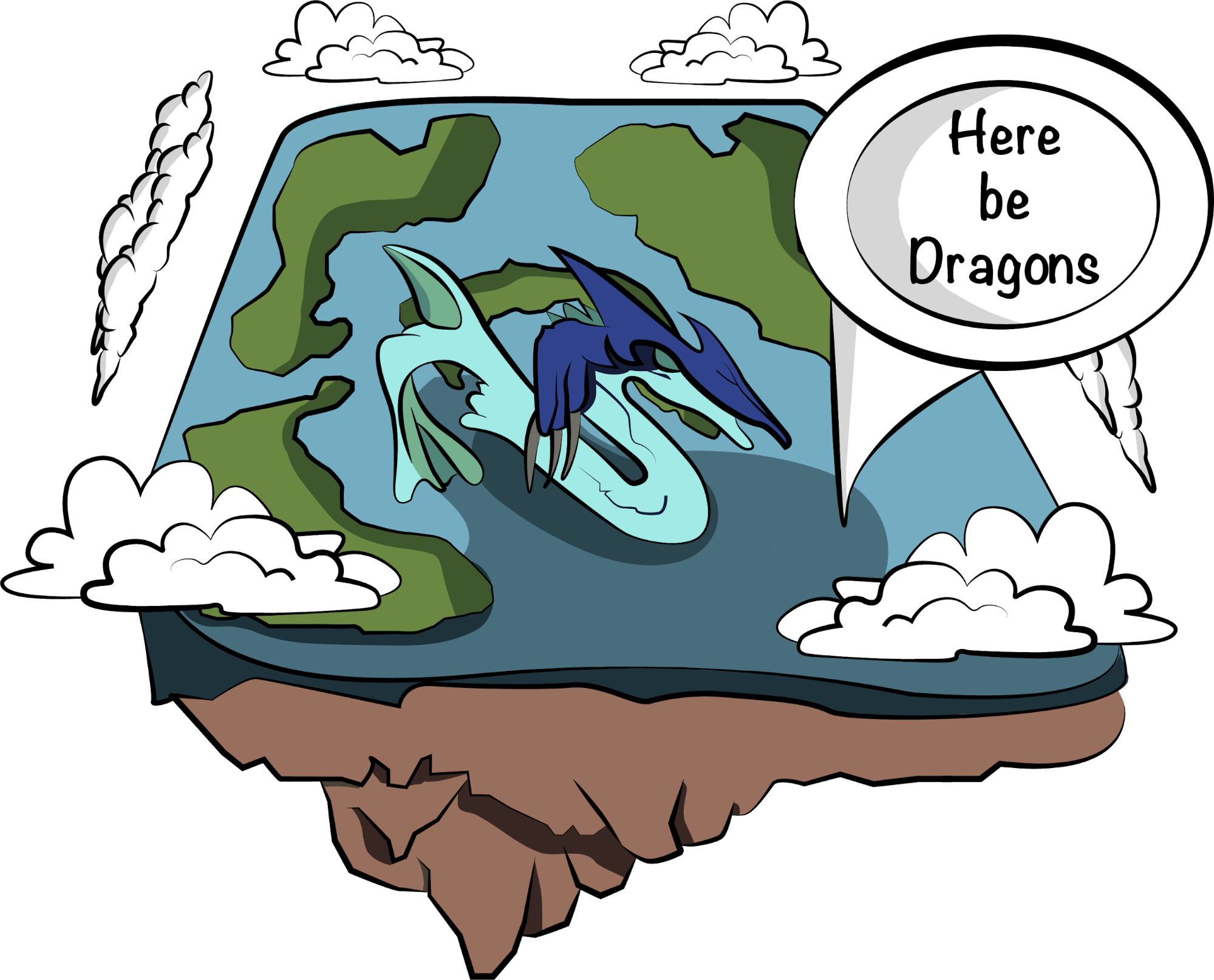 But a good explorer looks for the gaps in the map. If you were Jacques Cousteau, you explore the 70% of the world that is underwater. If you are Elon Musk, you skip the earth and head straight for Mars. If you are Jane Goodall, you explore the empathy of the Great Apes. All are explorers who know to look where others do not. Figuring out where to explore is one of the biggest challenges innovators can face.
When to Launch
Blockbuster was a pioneer of online streaming when CEO John Antioco launched their streaming service in 2004 and did away with their most lucrative business, late fees. But by 2007, Antioco was out as CEO, late fees were back, and streaming was no longer a priority at Blockbuster.  All this was to the delight of Reed Hastings, CEO of Netflix, who signed a deal to stream Starz movies in 2008. By 2010, Netflix had deals with Disney, Sony, Paramount, and Lionsgate, which earned them 20% of the market share in North American streaming traffic. That year, Blockbuster filed for bankruptcy. We will never know what would have happened if Antioco had remained and kept focus on Blockbuster’s streaming efforts. But we know that in 2008, Jim Keyes, the new CEO of Blockbuster, didn’t even see the potential, “I’ve been frankly confused by this fascination that everybody has with Netflix… Netflix doesn’t really have or do anything that we can’t or don’t already do ourselves.” Netflix disagreed, and their expansion was well-timed to take advantage of Blockbuster’s lack of foresight. Innovators must find the right moment to venture into a market. Uber would not have been possible without GPS, ubiquitous smartphones, and probably Twilio providing a simple SMS infrastructure for notifications. Tesla would not be possible without improved battery technology. Coinbase without blockchain. Space X without government de-regulation of space. Some explorers get lucky, but others have the vision to watch the technology, regulations, and market to recognize when the time is right.
How to Hack
 This is hacking, not cheating. I’m not a fan of cheaters. I’m not talking about ignoring the rules and putting an extra pair of aces up your sleeve. I’m talking about being a good lawyer and knowing your way around the rules. If I wait until your back is turned and remove your rook from the chess board while you’re not looking, that is cheating. The rules are well defined — there is no room for interpretation. But if you offer me a challenge, say, “Last person to the restaurant buys dinner,” and you are foolish enough to start running while I take a cab, that’s not cheating. That’s being clever. No rules had been established. A lot of the things we think are rules are not actually rules at all. Clever innovators often look at well-regulated environments and recognize that those regulations are pretty open to interpretation. The interpretation may simply be a tradition, not a law or commandment that is unalterable. The original Square credit card reader was a great example of this. To attach a credit card reader to an iPhone is not a simple thing. Square needed a card reader and to send data to the iPhone via the dock connector (also used for charging the phone.) But any piece of hardware using that dock would have to go through Apple’s long, tedious, and expensive review process. What’s a hacker to do? Use the headphone jack.
 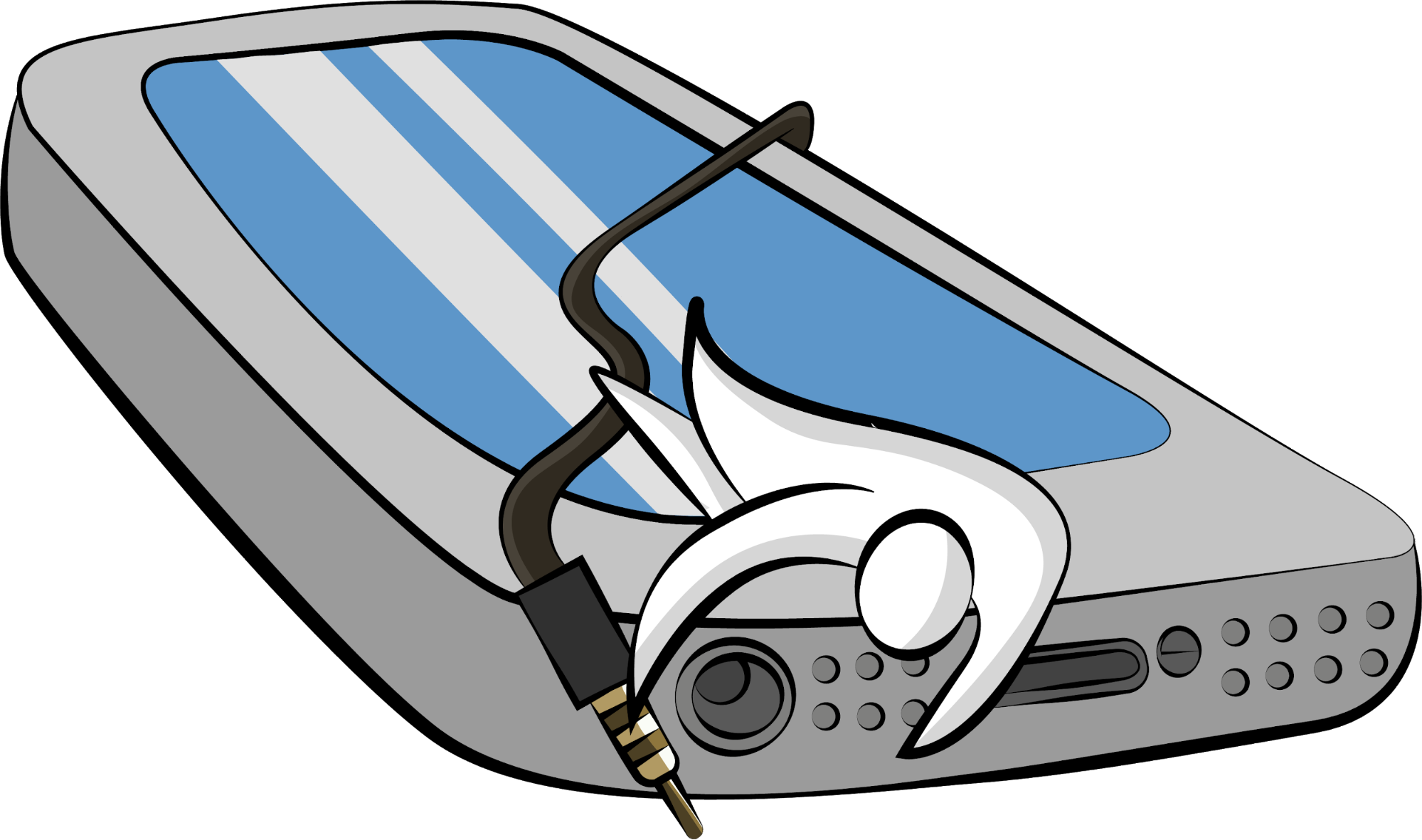 The headphone jack also allows data from outside the iPhone in. It’s just a different type of data: sound. Jim McKelvey created a prototype reader using the headphone jack by reading in credit card data, translating that into sound, and then having the app translate that sound back into useful data to verify the credit card number. Technically, the headphone jack could be used by anyone developing an app without getting explicit permission to do so. Of course, it was risky. An annoyed Apple could have easily removed their app from the App Store, and that would have ended Square before it could truly begin. But the rules had enough ambiguity to get started with a real product, fast. Innovators thrive in these spaces of ambiguity. (Note: McKelvey and Dorsey tried to mitigate the risk of people bypassing Apple’s regulations by meeting with Steve Jobs directly. You can read more in The Innovation Stack by Jim McKelvey.)
Innovation Strategy Is Information Strategy
The common thread between these three areas — exploring, launching, and hacking — is that they all deal in information.  Determining where to explore is the act of identifying an area not on any map. It is finding the places where we have no information. Exploring is the act of gathering that missing information. Deciding when to launch is the act of determining what capabilities are necessary and then just watching for the right moment. Launching is an act of patience and fast reflexes. Launching is acting when the information is available. Figuring out how to hack is the act of identifying points of ambiguity. It is determining what pieces of information everyone thinks they have, but don’t. It is identifying when assumptions about existing information are wrong. There are always unknowns in traditional strategy, and those things that are unforeseen require tactical adjustments. In chess, these are irrelevant elements because everyone has the same information from beginning to end. But in innovation strategy, it’s all about gaining that information advantage over your opponent.
Lessons Learned
- Innovation strategy is not just strategy.
- Innovation requires having an information advantage.
- To create an innovation strategy, figure out where to explore, when to launch, and how to hack.
Special thanks to Tyrome Smith and Josh Berry who gave invaluable feedback on this post.
Frequently Asked Questions
What’s the difference between innovation strategy and regular business strategy?
Innovation strategy goes beyond traditional “where to play, how to win” decisions. As product managers, we face situations where the rules, competitors, and even the playing field are unknown. Regular strategy is like chess—you can see the board. Innovation strategy is about choosing which game to play in the first place, often before anyone even knows the game exists. It centers on gaining an information advantage through exploration, timing, and creative rule interpretation.
How do disruptive innovators find gaps in the market?
Disruptive innovators look for undefined spaces in the rule book rather than competing within established rules. Companies like Uber offered taxis that weren’t licensed taxis, and Airbnb offered hotel rooms that weren’t technically hotel rooms. As innovators, we should look where others don’t—like Jacques Cousteau exploring underwater or Jane Goodall studying ape empathy—finding the blank spots on the map that others overlook.
Why is timing so important for innovation strategy?
Even a great innovation fails if launched too early or too late. Blockbuster actually pioneered streaming in 2004 but abandoned it, while Netflix timed its expansion perfectly to capitalize on that retreat. Uber needed GPS and ubiquitous smartphones; Tesla needed improved battery technology. We need to watch for the convergence of technology, regulations, and market readiness—then act quickly when conditions align.
What does “hacking” mean in the context of innovation?
Hacking in innovation strategy means finding creative interpretations of existing rules—not breaking them. Square’s original credit card reader is a perfect example: instead of going through Apple’s expensive dock connector review process, Jim McKelvey used the headphone jack to transmit credit card data as sound. Innovators thrive in these spaces of ambiguity, exploiting assumptions others treat as immovable rules.
How is innovation strategy really an information strategy?
The article argues that exploring, launching, and hacking all center on information advantages. Exploring means finding where no information exists. Launching means acting when the right information becomes available. Hacking means identifying where everyone’s assumptions about existing information are wrong. Unlike chess where all players share the same information, innovation strategy is fundamentally about gaining an information edge over competitors.


Comments
Loading comments…
Leave a comment