Innovation isn't a singular leap; it's a series of calculated, compartmentalized steps that culminate in transformative change. Over-segmenting tasks can dilute the primary objective, while under-segmenting can lead to overwhelming challenges. Continuous feedback and agility within compartmentalized tasks ensure alignment with the broader innovation vision.
Innovation management has evolved significantly. It's no longer a rigid, one-way path but a dynamic, feedback-driven funnel. Projects can now revisit stages for further development, or take an off-ramp if they cease to align with strategic goals. This approach enables organizations to foster a more resilient, adaptable, and successful innovation process. But most of all, it increases both impact and ROI. In the rapidly changing business landscape, there's no room for static, one-size-fits-all processes. Your innovation process should foster creativity, leverage data, and maintain strategic alignment. By incorporating metered funding, data-driven decisions, bounce gates, and an offramp into your innovation process, you can enhance your new product development process and fuel your organization's future growth. Metered Funding stops funding to failing projects. Data-Driven decisions based on innovation accounting improves ROI. Bounce Gates allow pivots, which preserves lessons learned. Off Ramps for projects that don’t fit the strategy preserves option value.
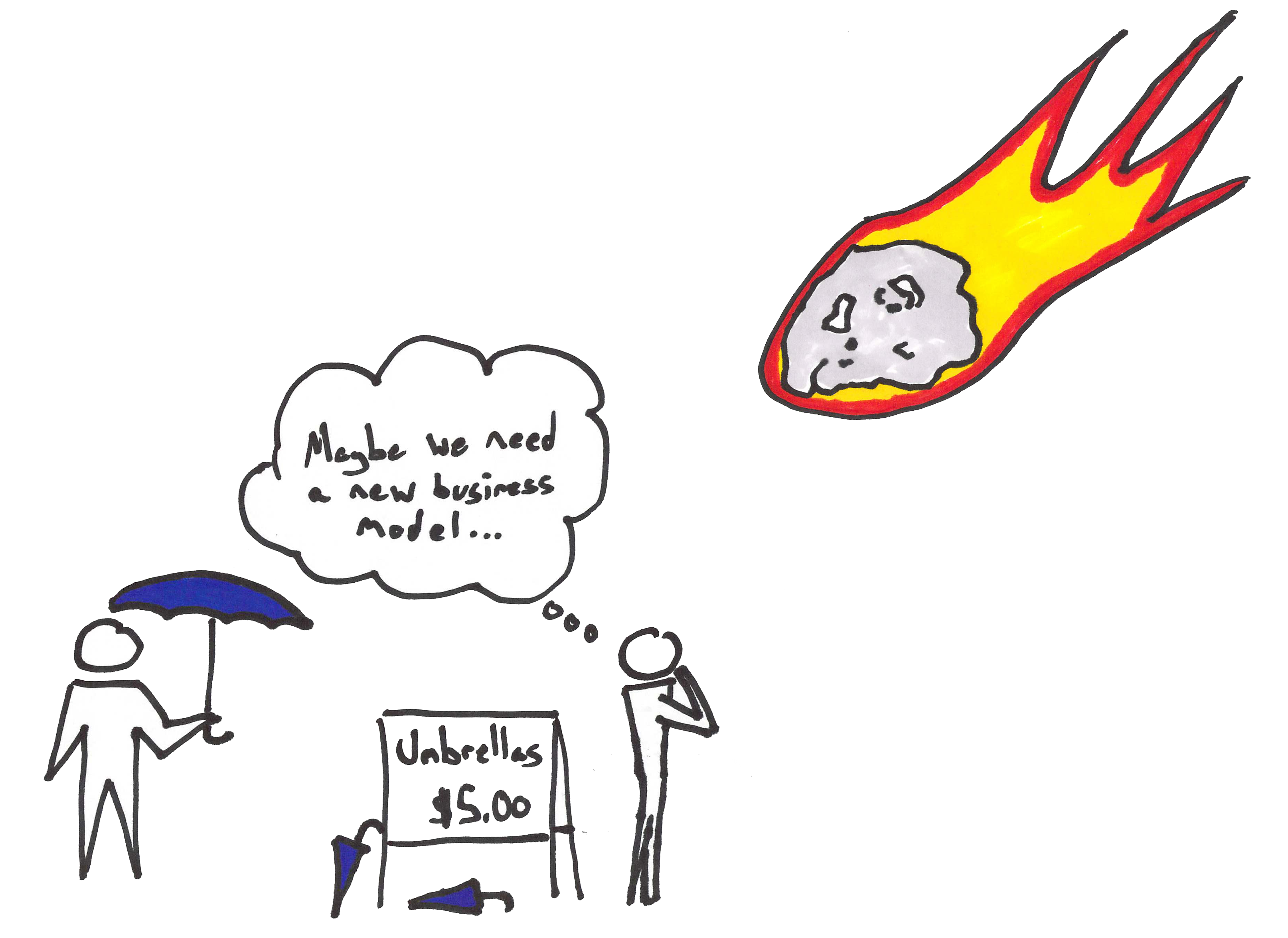
Even the best-laid plans need to adapt and evolve to developing circumstances, by building agility into how we conceive and implement adaptive strategy in the first place.
A carbon-neutral economy is inevitable. If we don’t have an innovation strategy that elevates both the economy and the environment, we will be left in the dust.