
Lean Healthcare Isn't Here Yet: An Interview with Mark Graban
Most hospitals adopt the tools but skip the culture change.
 By Kenny ·
 Quick Answer: Lean Healthcare isn’t just an improvement toolkit—it’s a culture and management system. According to Mark Graban, far too many health systems adopt a few Lean tools within their existing dysfunctional cultures rather than pursuing deep cultural transformation. Organizations like ThedaCare and Virginia Mason have succeeded by embracing Lean as a complete management philosophy over 12+ years. Quick wins in safety, quality, and cost are possible, but the greatest benefits require sustained leadership commitment. As Graban puts it, “Lean doesn’t fail, but sometimes people quit practicing Lean.”
(Mark Graban is an internationally-recognized expert in the field of “Lean Healthcare,” as a consultant, author, keynote speaker, and blogger. I reached out to him to chat about his approach to applying Lean in hospitals and healthcare organizations. You can find him on Twitter or LinkedIn.)
Q: Lean has a long history in healthcare. What are some of the current trends and understanding of “lean” in hospitals and healthcare?
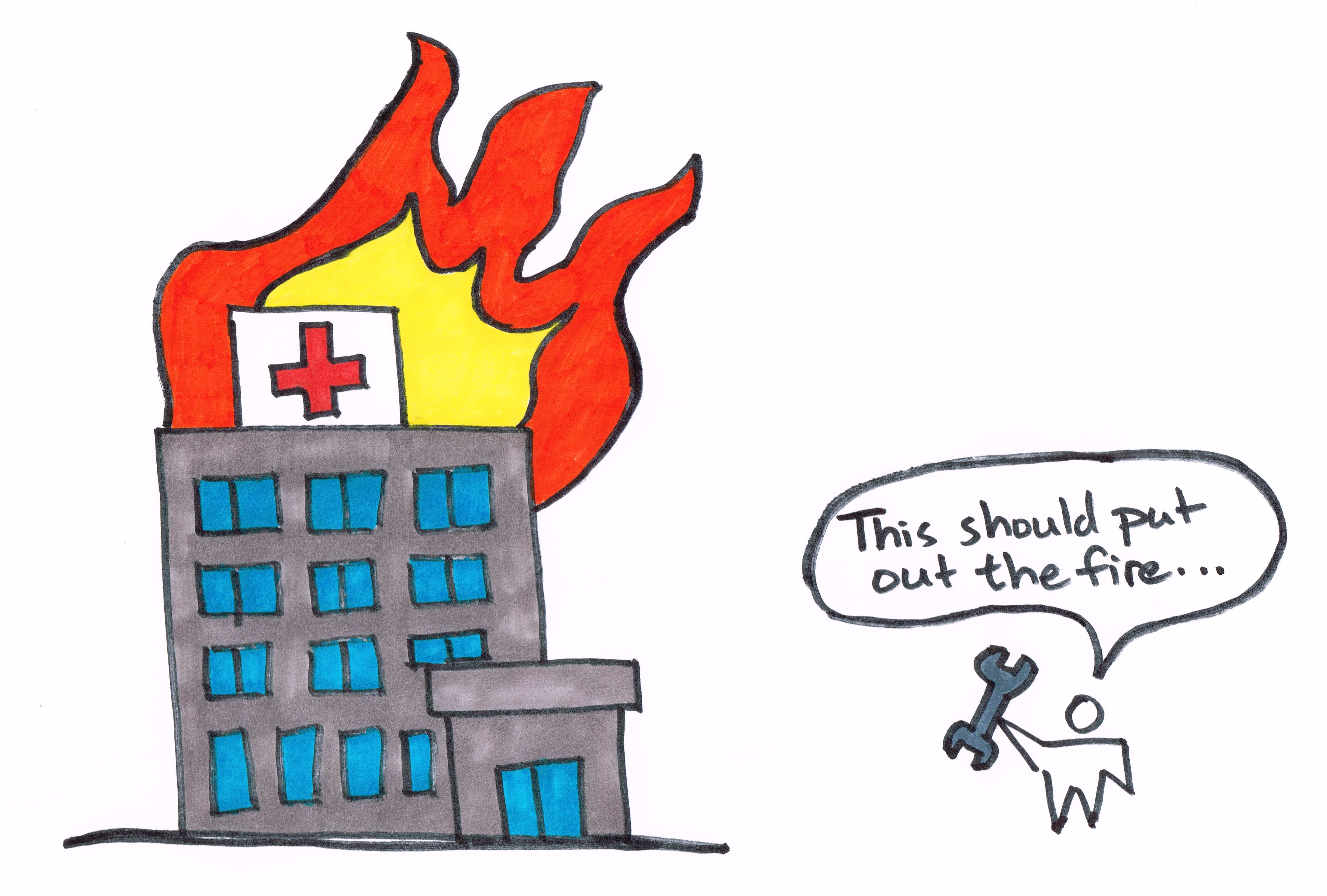
A: Some of the earliest experiments with Lean methods in healthcare were in Seattle in the late 1990s. Two of the longest-running examples of the adoption of Lean in healthcare include ThedaCare, a health system in Wisconsin, and Virginia Mason Medical Center, in Seattle, which have been using Lean as an improvement model and a management system for 12 or 13 years now. Those organizations, along with some others, have really embraced Lean as a new culture, modeling themselves after Toyota in some ways, while maintaining, of course, the special values and purpose of a hospital. Even with those shining examples, however, far too many health systems have a limited view of Lean, thinking of it as just an improvement methodology or as a set of tools or projects. The best Lean success comes from adopting Lean as a culture and a management system… yet, we’re still hoping to see more of that in healthcare. It’s unfortunately easier for people to adopt a few new tools to use in their existing, and often dysfunctional, organizational cultures. 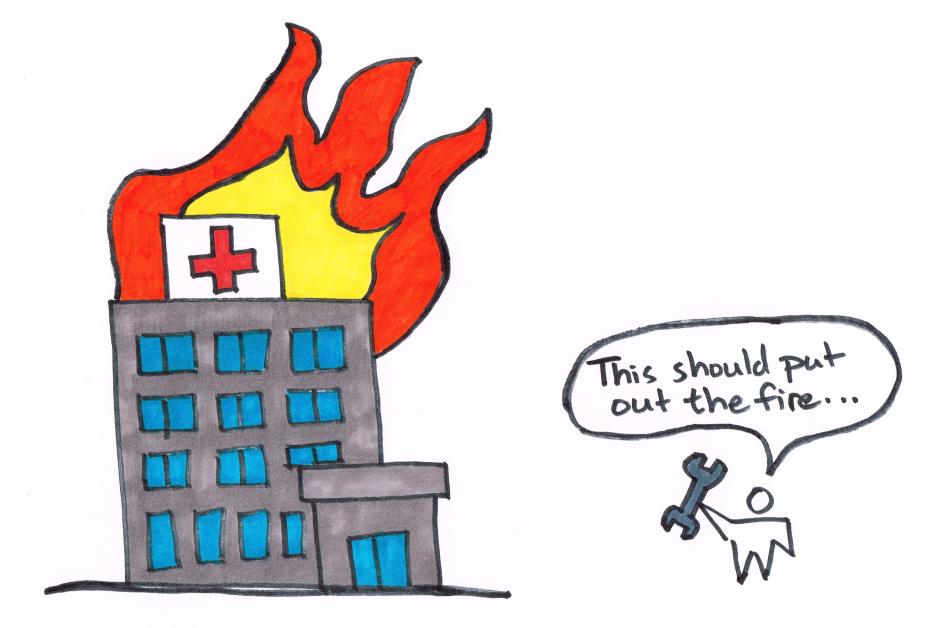
Q: Do healthcare organizations go through the lean hype cycle when trying to adopt Lean?
A: Yes, that same cycle applies in healthcare. Healthcare organizations and leaders are as likely, as any, to want easy, quick fix, silver bullet solutions. Lean is sometimes hyped as a cure all, which I think is irresponsible. Sometimes the fault is on the people selling the ideas (or services) and sometimes we can perhaps blame the buyers who think Lean is simple and is something that can be implemented fully in a short period of time. Or they think they can hire one internal Lean expert and expect them to change the organization. Lean methods and practices can lead to pretty quick and immediate improvements to safety, quality, patient waiting times, cost, and more. But, the greatest benefits will come from changing the culture and the management system… and that all takes time. Some organizations have gotten impatient and have fired their internal Lean or process improvement departments because they weren’t driving enough short-term cost savings, or that happened because the hospital has gotten new leadership that wasn’t convinced that Lean was a good strategy. I sometimes say that Lean doesn’t fail, but sometimes people quit practicing Lean.
Q: You wrote an article last year about how Lean applies to all forms of knowledge work and not just for manufacturing anymore. Can you please explain?
A: Lean is applicable to any situation where we are designing and managing work, delivering something to customers (products or services), and when we have people to inspire and help improve. While the term “Lean production” was used in the early book The Machine That Changed the World, Lean isn’t just about manufacturing. Even in manufacturing companies, they realized that Lean can help with product development (see the Toyota Product Development System), in sales and marketing, human resources, and other administrative functions. Lean helps us identify value to the customer (versus waste), how to look at the end-to-end value stream (thinking systematically), and how to engage people in improvement. It’s quite a flexible methodology and management mindset. I’ve taught classes about Kaizen (continuous improvement) to groups that included people from manufacturing, healthcare, higher education, state government, software companies, and retailers. The principles and management practices are very consistent and applicable across industries (and across countries). 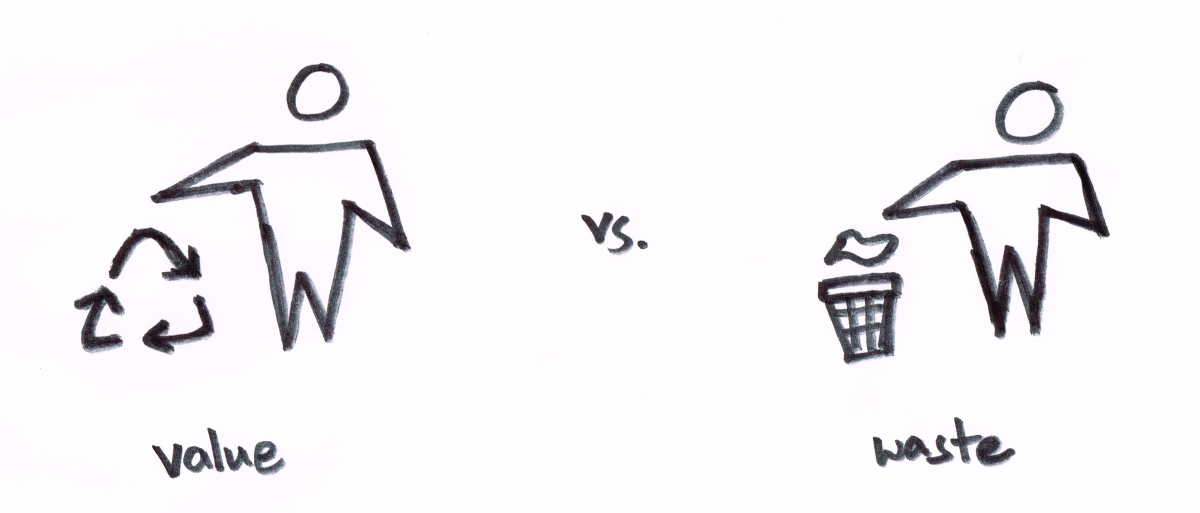
Q: What are the key similarities and differences in how Lean is commonly applied in large healthcare organizations compared to startups?
A: Lean Startup activities, by definition, are about creating a new product or service as a startup or within a large company. As I talked about a few years ago at The Lean Startup Conference, there are many similarities with the process a health system might go through to build a new hospital facility. The cycles of Build-Measure-Learn take place for a physical building. This process starts with getting out of the office to deeply understand the day in the life of a patient or a caregiver. Since it’s expensive to iterate an actual building, the early cycles of experimentation and learning take place on paper or in full-size cardboard mockups. This allows learning to take place early on, when modifications to the design are easier and less expensive to make. Most Lean healthcare activity, however, is focused on the redesign or tweaking and continuous improvement of existing processes and space. A “Kaizen” approach to continuous improvement includes small improvements that take place within a team and larger “events” or projects that help drive larger changes in the existing process. This is all built around the “Deming Cycle” of Plan, Do, Study, Adjust. This is very conceptually similar to the Build-Measure-Learn cycle. Philosophically, the goals are, first, to learn and develop people and, second, to solve problems and to improve. Mark’s passion is creating a better, safer, more cost effective healthcare system for patients and better workplaces for all. You can contact him on LeanBlog.org.
Frequently Asked Questions
What is Lean Healthcare and why isn’t it more widely adopted?
Lean Healthcare applies Lean principles—originally developed at Toyota—to hospitals and health systems to improve safety, quality, patient wait times, and cost. While pioneers like ThedaCare and Virginia Mason Medical Center have embraced Lean as a full management system and culture for over a decade, far too many organizations still treat it as just a set of tools or improvement projects. As Mark Graban notes, it’s easier for organizations to adopt a few new tools within their existing, often dysfunctional cultures than to pursue the deeper cultural transformation that drives the greatest results.
Does the Lean hype cycle apply to healthcare organizations?
Yes. Healthcare leaders are just as susceptible to seeking quick-fix, silver-bullet solutions. Lean is sometimes irresponsibly hyped as a cure-all, leading organizations to expect full implementation in a short timeframe or to rely on a single internal Lean expert to change the entire organization. When short-term cost savings don’t materialize fast enough, some hospitals disband their Lean departments or new leadership abandons the strategy entirely. As Graban puts it, “Lean doesn’t fail, but sometimes people quit practicing Lean.”
Can Lean principles work outside of manufacturing, like in healthcare or knowledge work?
Absolutely. Lean applies to any situation involving designing and managing work, delivering products or services to customers, and engaging people in improvement. Even within manufacturing companies, Lean expanded into product development, sales, marketing, and HR. The core principles—identifying customer value, eliminating waste, thinking systematically about end-to-end value streams, and engaging people in continuous improvement—are flexible and consistent across industries including healthcare, government, higher education, and software.
How does Lean Startup relate to Lean Healthcare?
The Lean Startup’s Build-Measure-Learn cycle is conceptually very similar to the Deming Cycle (Plan, Do, Study, Adjust) used in Lean Healthcare. For example, when health systems design new hospital facilities, they go through iterative cycles starting with deeply understanding patients’ and caregivers’ experiences, then testing designs on paper or with full-size cardboard mockups before committing to expensive construction. Most Lean Healthcare work, however, focuses on continuous improvement of existing processes through small team-level improvements and larger Kaizen events.
What separates the best Lean Healthcare organizations from the rest?
The most successful organizations—like ThedaCare and Virginia Mason—treat Lean not as a project or toolkit but as a complete culture and management system. They model themselves after Toyota while maintaining healthcare’s unique values and purpose. This means leadership commitment over many years, developing people as problem-solvers, and embedding continuous improvement into daily management rather than running isolated improvement initiatives.


Comments
Loading comments…
Leave a comment