
How to Craft a Lean Startup Pitch That Investors Actually Want
Stop selling rosy projections. Start showing your messy experiments.
 By Kenny ·
 Quick Answer: A lean startup pitch replaces polished five-year projections with evidence of validated learning. Instead of selling a rosy vision, we should show investors the messy experiments we’ve run, how we designed them, what data we measured, and what we learned. For early-stage investors evaluating teams under high uncertainty, a demonstrated ability to apply lean startup principles—pretotyping, data analytics, and systematic experimentation—matters more than a perfectly chiseled plan.
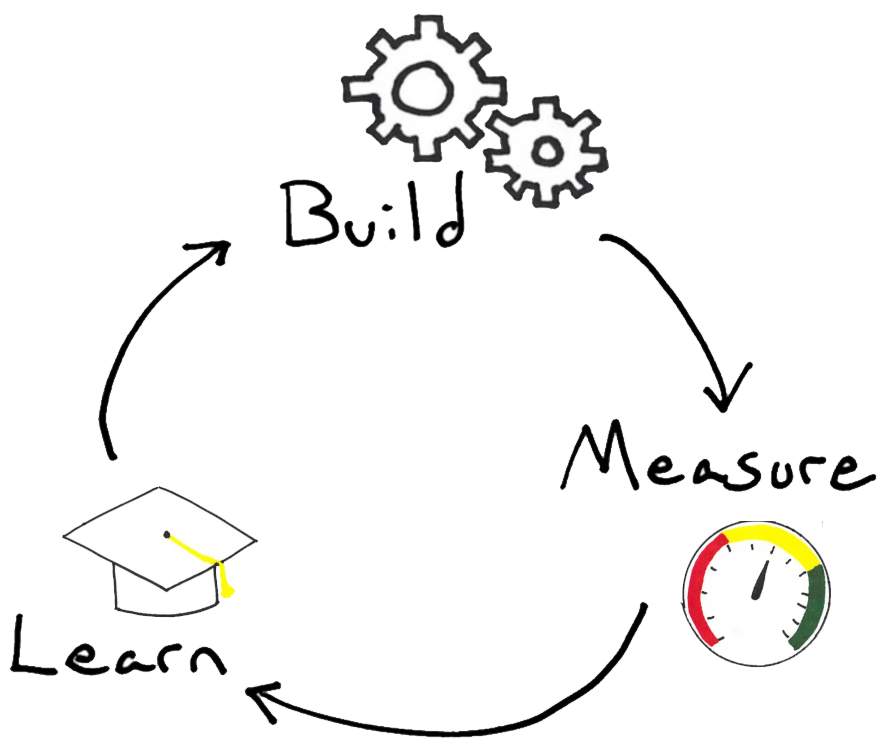
(Lean Startup Pitch: Andy Cars, founder of Seedcap and Lean Ventures, helps startups with strategy, business development, lean startup and fundraising, and large companies create and execute on their innovation strategies. If he’s not busy helping startups and enterprises, you can probably find him on Twitter and LinkedIn.) Much has been written on how to pitch to investors. There’s also plenty of resources available on Lean Startup. But how about pitching to investors from a Lean Startup perspective? Perhaps not so much. Lean Startup is both a method and a mindset. If you are a Lean Startup practitioner it makes sense that your Lean Startup mindset should also to some extent carry over, or at least be noticeable, when you pitch to investors. So what do I mean by this? Essentially, Lean Startup is about learning and not pitching. It’s about designing and running experiments, measuring data (both qualitative and quantitative) and using that as an input when deciding your next move. What you try to avoid is listening too much to your gut, or the HIPPO (Highest Paid Person’s Opinon) and then hope for the best.  When you ask an investor “what is the most important to you when you invest”, the answer almost always comes back as “the team”. We’ve all heard the old saying: “I’d rather invest in an A-class team with a B-class idea, rather than a B-class team with an A-class idea”.
  Photo by ChrisL_AK[/caption] But what does this actually mean? Many would say that the team has to have “relevant experience” and that it’s good if they have “worked together before”. Others will also add “integrity”, “coachability” and “high EQ” as important factors. Still others think “stubbornness” is the most important. I too am an investor. Too me the most important aspect for choosing the right team in an early stage venture where uncertainty is extremely high, is their validated ability of applying Lean Startup and leveraging the technology that is out their to do pretotyping and data analytics. Rather than the team pitching me their 5-year excel projections and perfectly chiseled plan, I want to hear about the last messy experiments that they’ve run and their lessons learnt. How do they go about designing their experiments and how do they measure data? Spare me the 10 minute pitch about the rosy colored long-term vision of the future. Show me the little facts you have and how you go about building your business on a day-to-day basis. What has been your focus? What have you learnt? What will be your next experiment? And that’s what this video is about: Everything is an experiment.
Frequently Asked Questions
What is a lean startup pitch and how is it different from a traditional investor pitch?
A lean startup pitch focuses on showing investors your experiments, lessons learned, and validated learning rather than polished five-year projections. Instead of presenting rosy long-term visions and perfectly chiseled plans, we share the messy experiments we’ve run, how we designed them, what data we measured, and what we’ll test next. It’s about demonstrating our process for learning, not selling a fantasy.
What do investors really look for when they say “the team” matters most?
While many investors cite relevant experience, coachability, or integrity, from a lean startup perspective the most important quality is a team’s validated ability to apply lean startup principles. As the article argues, in early-stage ventures where uncertainty is extremely high, investors should prioritize teams that can design experiments, leverage technology for pretotyping and data analytics, and learn systematically rather than rely on gut instinct.
How should I structure a lean startup pitch to investors?
Rather than spending 10 minutes on a rosy long-term vision, we should focus on showing the small facts we actually have. Walk investors through your recent experiments: what hypotheses did you test, how did you measure results (qualitative and quantitative), what did you learn, and what’s your next experiment? Demonstrate that you’re building your business through validated learning on a day-to-day basis, not through hope and projections.
Why are five-year financial projections a problem in early-stage startup pitches?
Five-year Excel projections for early-stage startups are largely fiction because uncertainty is extremely high. Lean startup thinking tells us to avoid relying on gut feelings or the HIPPO (Highest Paid Person’s Opinion) and hoping for the best. Investors who understand lean principles would rather see how you systematically learn and adapt than watch you present confidently fabricated numbers that everyone knows are guesswork.
What does “everything is an experiment” mean for startups raising funding?
It means we should treat every aspect of building our startup — including fundraising itself — as a learning opportunity. Lean Startup is fundamentally about designing experiments, measuring data, and using those insights to decide our next move. When we internalize this mindset, our pitch naturally reflects it: we show investors our process for navigating uncertainty rather than pretending we have all the answers.



Comments
Loading comments…
Leave a comment