
Business Card Fishbowl Leads: Why They Waste Startup Resources
You don't need 400 cards. You need 5 real conversations.
 By Kenny ·
 Quick Answer: Business card fishbowl contests at trade shows generate massive false positives — typically only 5-20% of entries are genuinely interested in your product, creating hours of wasted follow-up per unqualified lead. As startup founders, we should skip the big-ticket raffle and instead use small attractors (espresso, candy) to spark real conversations, qualifying prospects on the show floor. Coming back with 5-10 genuinely interested leads beats 400 unqualified business cards every time.
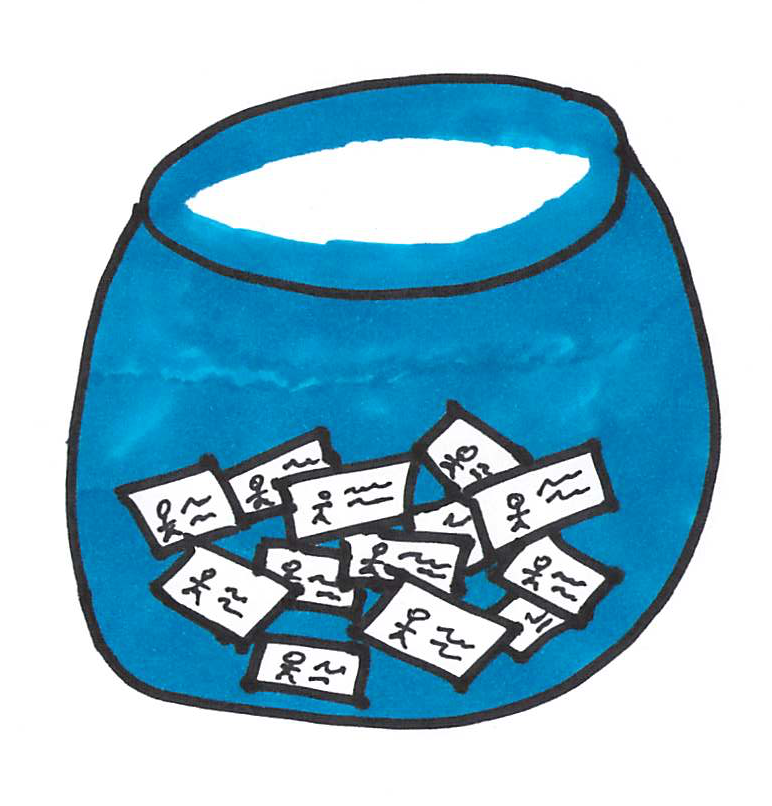
(Business card Fishbowl- This is a guest post by Sean Murphy, who coaches early stage technology firms. You can find Sean on Twitter, LinkedIn or on his blog.) You are back from a tradeshow and have 400 business cards in a large pile on the table. Booth visitors had dropped them in a business card fishbowl you set out to request more information and win a chance at a cool device. Now the work begins - finding the good ones in the pile.  Out of the 400 cards there may be 20 or 40 who are really interested in your product. You have to find them in the pile before too much time has passed and they are on to their next problem. The good news is that a few will remember you and follow up (and a few who didn’t hear who won the drawing may also call if you picked an especially valuable or hard to find device). Most of your follow up efforts, whether by phone or E-mail or postcard or prayer will go unanswered. This is true even for early adopters who are interested but also very busy. You will need to try a few times in different ways.
Creating Second Conversations
But the challenge of securing a second conversation is made much more difficult by the tremendous number of false positives you have generated: your real message at the trade show was “give us your card if you are interested in a free iPad or you would like to learn ore about our product.” While it’s true that many of the folks who would like to learn more about your product would also like a free iPad, the reverse is not true: few of those who want a free iPad have any interest in your product. You have created a large false positive for interest in your product. If only 5-10%—or even being generous, 20%—of the leads are actually interested you need to do five or ten or even twenty times the work to contact and qualify them. It’s a rare startup that has the extra bandwidth for the founders or the sales and marketing team to spend ten times the effort on follow up. Don’t fall into the trap of following what the larger firms are doing here. Startups do not have the time or the budget to waste trying to filter through hundreds of cards from business card fishbowl. Startups are much better served using show floor time to qualify a hand full of serious prospects instead of wasting time afterward eliminating the prize entries. In larger firms the marketing folks keep score on lead generation not revenue so they have a perverse incentive to do this. In a bootstrapping startup everyone needs to realize that revenue is what keeps the lights on and the dream alive. This disconnect between marketing and sales in a large firm can be fatal for a startup. If you collect someone’s card because they wanted a cool give-away, but they fundamentally have no interest in your product, you are creating an hour or more of wasted effort per “unqualified lead.” Instead use a give away to get people to stop by your booth and have a conversation:
- Small individually wrapped candies
- Setup a small espresso machine and give away shots of espresso or coffee
- Chocolate covered espresso beans
Don’t ask for their card or a scan until you have had at least a brief conversation. Then jot down a few notes immediately to jog your memory later about each person you want to follow up with. Time stamp them as an additional reminder (“she came by Tue at 2:30 between this person and that person). Take 20 minutes before you go to sleep to reconstruct your notes. 
Fewer Can Be Better
As a startup you have to ruthless about prioritizing your sales efforts: this means you are asking as many questions of someone visiting your booth to make sure that they have a problem you can help solve or a need you can address as telling them about your product and your company. That way when you take their card or scan their badge you can make a note of the level of follow up that is warranted. It’s much more useful for a startup to come back from a show with five or ten very interested prospects and a few dozen “warm leads” than hundreds of cards from visitors who wanted to win that iPad. In the latter case, if you haven’t had the time to have a conversation and understand your visitor’s situation and issues, you will have no idea of who is really a hot prospect and where to focus your efforts.
Summary
Don’t Let a Give-Away Overwhelm The Weak Signal of Interest You Are Looking For. Whether it’s a booth a trade show or a sponsored table at a large Meetup or an email you’ve sent to a group asking for customer discovery interviews, using the wrong kind of give-away can overwhelm the weak signal of interest you are looking for. It increases booth visits or responses from folks who want the give-away but are not interested in your product, reducing the amount of time you can spend with the truly interested, and complicating your follow up efforts to identify the truly interested.
Frequently Asked Questions
Why are business card fishbowl contests a bad idea for startups at trade shows?
A business card fishbowl generates massive false positives — typically only 5-20% of entries come from people actually interested in your product. The rest just want the free iPad or device. As startup founders, we don’t have the bandwidth to contact and qualify hundreds of uninterested people, creating an hour or more of wasted effort per unqualified lead.
What should startups use instead of a fishbowl raffle to attract booth visitors?
Instead of a big-ticket giveaway that drowns out genuine interest, we should use small attractors like individually wrapped candies, chocolate-covered espresso beans, or shots from a small espresso machine. These get people to stop by and start a conversation without creating a flood of false leads from people who only want to win a prize.
How do you generate qualified sales leads at a trade show as a startup?
Focus on having real conversations at your booth — ask visitors questions to determine if they have a problem you can solve before collecting their card or scanning their badge. Jot down notes immediately after each interaction, timestamp them, and reconstruct your notes before bed. Coming back with 5-10 genuinely interested prospects beats 400 unqualified business cards every time.
What’s the difference between how startups and large companies should handle trade show lead generation?
In large firms, marketing teams often measure success by lead volume rather than revenue, giving them a perverse incentive to run business card fishbowl contests. Startups can’t afford this disconnect between marketing and sales. As bootstrapping founders, we need to remember that revenue keeps the lights on — so every trade show interaction should prioritize quality over quantity.
How do you follow up effectively with trade show leads?
Even genuinely interested early adopters are busy, so securing a second conversation is hard. The key is qualifying leads on the show floor so your follow-up list is small and focused. Try multiple contact methods — phone, email, postcards — and attempt several times. Having conversation notes with specific details about each prospect’s problems makes your outreach far more relevant and effective.


Comments
Loading comments…
Leave a comment